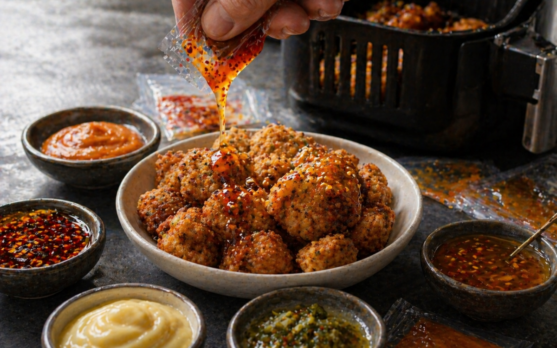
A frozen momo with chicken tikka masala inside it can sound like a clever novelty until it reaches the shelf. Then the mood changes. The buyer is no longer tasting an idea. The buyer is weighing a format, a price point, a sauce packet, a cooking method, a heat level, a claim set, a brand story and the odds that a shopper will understand the product quickly enough to put it in the basket. Deep Indian Kitchen’s Chicken Tikka Masala Momo Dumplings are interesting for exactly that reason: they show how South Asian flavors can move beyond the curry tray when they are carried by a format the freezer aisle already knows how to sell.

A small product with a larger retail lesson
The easy story is that Chicken Tikka Masala Momo Dumplings won attention because they were named Best Dumplings in the PEOPLE 2025 Food Awards. That matters. Awards create shelf talkers, social posts, retailer confidence and a short answer to the shopper’s quiet doubt. In frozen food, where so many boxes ask for trust before appetite, a third-party nod can help.
But the stronger story is sitting underneath the award. This is not just chicken tikka masala in another tray. It is a South Asian flavor cue folded into a dumpling occasion. The shopper does not have to build a full Indian meal, commit to rice, heat naan, or choose between multiple curry dishes. The entry point is smaller, softer, more snackable. Pick up a bag, steam it, dip it, eat.
That is a cleaner retail proposition than many hybrid products manage. Frozen food has a long history of throwing cuisines together and calling the result innovation. Most of those ideas are forgotten by the next reset. The better hybrids have a reason to exist beyond the name. They solve a usage problem. They give a familiar shape to a less familiar flavor, or a new eating occasion to a familiar dish.
The dumpling lowers the barrier
Momos carry their own cultural geography, across Himalayan foodways and into parts of India, Nepal, Tibet and diasporic kitchens. Mainstream U.S. retail will not communicate all of that in a few seconds at the freezer door. It does not need to. The word may still be new to many shoppers, but the form is understandable. Dumpling is a language the frozen aisle already speaks.
That matters commercially. Dumplings can be lunch, snack, appetizer, small dinner, late-night food or a plate to share. They can sit near Asian appetizers, global snacks, frozen meals or natural specialty products depending on the retailer’s logic. A curry tray has a narrower script. A dumpling can move around.
Deep Indian Kitchen’s own framing is useful here. The brand explains its momos as dumplings popular across the Himalayas, including India, while making clear they are not soup dumplings and not potstickers. The product line also carries familiar Indian cues: Chicken Tikka Masala, Butter Chicken, Chicken Curry and Veggie Masala. That is smart translation. The format needs introduction, but the flavors carry recognition.
There is a quiet discipline in that choice. Chicken tikka masala is already one of the easier South Asian restaurant references for mainstream consumers. Put it inside a dumpling and the product becomes less formal than an entree, less heavy than a full meal, and more flexible than another single-serve curry bowl.
Sauce inside, chutney outside
The product architecture is doing more work than the front of pack can show. Inside the dough, the filling has to deliver creamy tikka masala character without leaking, splitting or turning watery after freezing and reheating. Outside the dumpling, the chutney has to lift the bite. Sauce inside for comfort. Chutney outside for brightness.
That is where the product connects to a larger frozen-food shift. More premium global frozen items are being built as component systems rather than one-piece reheats. Sauce, dip, glaze or chutney is not decoration. It controls the final impression.
In a steamable bag product, this becomes even more important. The consumer expects speed and softness, not crispness. The wrapper has to remain tender. The filling has to stay generous. The chutney has to cut through the cream and tomato. If that balance fails, convenience starts to feel flat.
The sauce packet also creates a small ritual. Tear, dip, finish. Not much, but enough. Frozen food benefits from these little gestures because they give the shopper a sense of assembly without asking for real cooking. It is the same reason dumplings, bao, rolls and sauced bites are gaining ground across different cuisines. They make the freezer feel less passive.
From award mention to freezer expansion
The Whole Foods Market rollout gives this story more weight. A product can win an award and still remain a curiosity. A national specialty-retail presence changes the reading. Deep’s Momo Dumplings moved into Whole Foods with Butter Chicken, Chicken Tikka Masala and Veggie Masala varieties, positioned as heat-and-eat bags with chutney included. That places the product in front of shoppers who already expect frozen to carry some discovery value, but who still demand clean execution.
The price point also matters. Around seven dollars for a small bag puts the product into premium convenience territory, not bargain snacking. That kind of product has less room for disappointment. It can be playful in concept, but not sloppy in performance.
Retail visibility does not come only from the freezer door. It comes from the chain of small reassurances around the product: an award badge, a known brand, a short cooking time, a clear flavor, a sauce packet, a recognizable dumpling format, a retailer with permission to sell global frozen discovery. Each part reduces risk a little.
Deep Indian Kitchen has been building that permission for years through frozen entrees, kati wraps, samosas, naan and pizza formats. The momo line fits that wider play. It moves Indian and South Asian cues further into handheld, snackable, flexible eating. That is where more of the modern frozen aisle is heading.
Hybrid formats need more than a clever name
There is a warning in the success of this type of product. Once a hybrid format works, the freezer aisle tends to produce weaker echoes. Tikka dumplings. Curry bites. Masala pockets. Butter chicken everything. Some will sell on first look. Fewer will earn the second purchase.
The difference will be operational, not poetic. Does the dough survive microwave steaming without getting tough? Does the filling stay creamy but not wet? Does the spice level feel alive without narrowing the audience too much? Does the chutney add contrast, or is it just a sweet green sauce? Does the bag portion feel like a snack, a lunch, or a meal? If the answer is unclear, the product becomes hard to merchandise and harder to repeat.
There is also a cultural risk. Momos are not simply a neutral container for any global filling. The more mainstream the format becomes, the more brands will be tempted to detach it from its food culture and treat it like a dumpling shell with trend sauce. That may work for a short promotional cycle. It will not build a category with depth.
The better opportunity is narrower and stronger: use the dumpling occasion to introduce South Asian flavors with enough respect for the format, enough clarity for the shopper and enough frozen-food discipline for the factory. That is harder than fusion. It is also more valuable.
The freezer aisle is learning a new shortcut
Dumplings have become one of frozen food’s most useful bridges. They can carry East Asian, South Asian, Southeast Asian and even cross-cultural flavors without asking shoppers to relearn the whole meal. Bao, gyoza, mandu, soup dumplings and momos are not the same product, but in retail they share one advantage: they make global food feel graspable.
That is why Chicken Tikka Masala Momos are worth watching beyond the award cycle. They show a possible route for South Asian frozen food that is not limited to curry bowls and naan sides. The format is compact. The flavor is familiar. The sauce ritual is built in. The cooking method is quick. The product can be lunch, snack or appetizer without being trapped in one occasion.
Short term, expect more South Asian flavors to move into snackable frozen formats: butter chicken dumplings, paneer bites, chaat-style pockets, chutney-led appetizer packs, masala pastry snacks, naan-based handhelds. Some will feel forced. A few will find the same useful retail tension that momos have: specific enough to feel new, simple enough to buy on a weeknight.
Longer term, momos could become a recognizable frozen format in their own right, not just an Indian-inspired novelty. That will depend less on awards than on repeat purchase, distribution, product consistency and whether shoppers start comparing fillings, chutneys and wrappers the way they now compare gyoza or soup dumplings. A format becomes mainstream when it no longer has to explain itself every time.