Sustainable Packaging
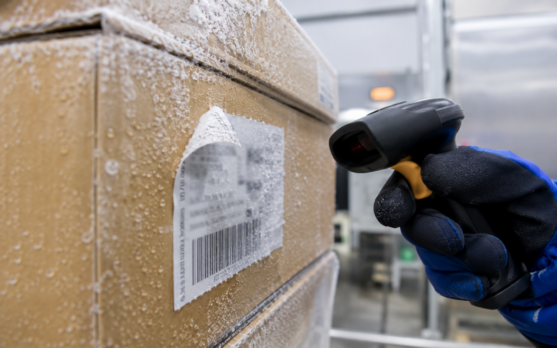
The Cold-Chain Label Failure
Sustainable frozen food packaging still has to scan, stick and survive frost. Label failure can disrupt traceability, warehousing and retail compliance.
Energy, packaging, waste and system-level efficiency translated into business decisions.
Sustainability in frozen food is no longer a side conversation. It is increasingly tied to cost, compliance, capital allocation and customer expectations. This section covers the environmental questions that matter commercially, from refrigeration efficiency and food waste to packaging pressure and lower-impact operating models.
Sustainable Packaging
Sustainable frozen food packaging still has to scan, stick and survive frost. Label failure can disrupt traceability, warehousing and retail compliance.
Reducing Food Waste
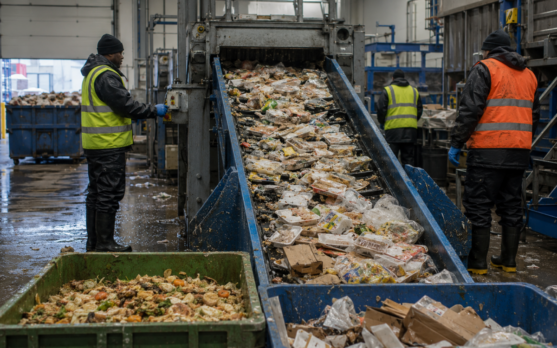
Frozen food waste cannot become compost, biogas or feed until product and packaging are separated. Depackaging is the hidden circularity bottleneck.
Reducing Food Waste
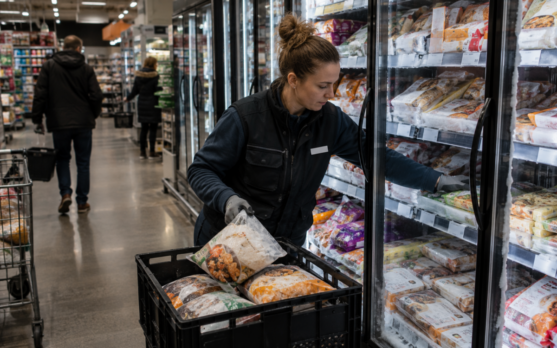
Food waste is moving from sustainability slogan to accounting discipline, and frozen food must prove where value is lost across the cold chain.
Sustainable Packaging
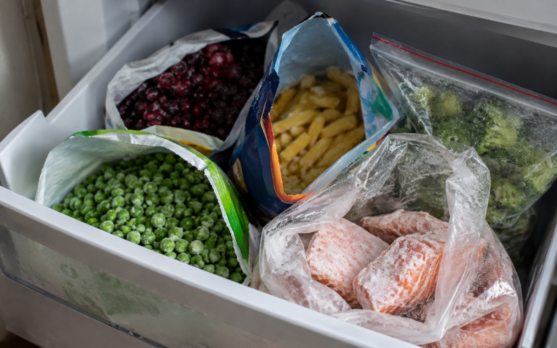
Less frozen food packaging can backfire if it increases freezer burn, damage or household waste. The smarter target is protected food value.
Energy-Efficient Freezing
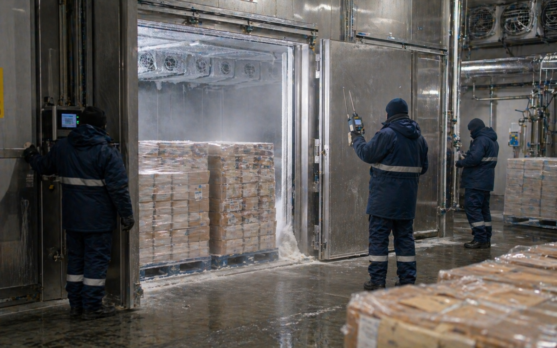
Freeze Point Suppression could reshape industrial refrigeration by turning cold into a flexible reserve for peak loads, moisture control and defrost reduction.

Energy-Efficient Freezing
Frozen warehouses may become monetizable grid-flex assets as operators use thermal storage, pre-cooling, and demand response to turn refrigeration control into margin and...
Reducing Food Waste
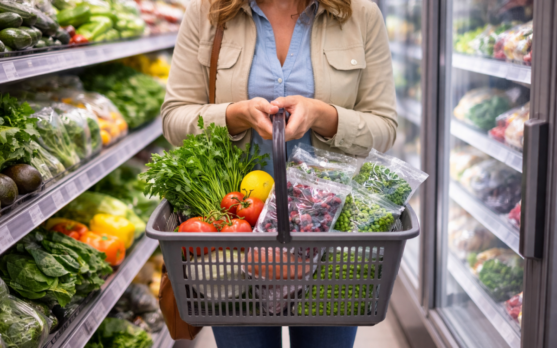
A sharp 2026 comparison of frozen vs fresh across waste, affordability and carbon, with category-level insight on spinach, berries, potatoes, fish, ready meals, bakery and pizza.

Sustainable Packaging
From 12 August 2026, PPWR exposes frozen food packaging to PFAS, recyclability and documentation risk. Which formats need urgent review?
Reducing Food Waste
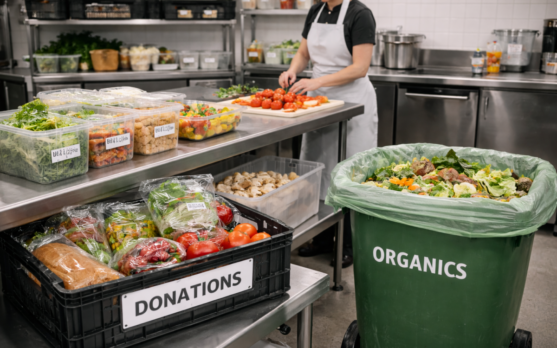
Organics separation now exposes frozen food waste, packaging contamination, missed surplus routes and weak prevention decisions.

Sustainable Packaging
Tetra Pak is scaling a paper-based barrier to replace aluminum foil in aseptic cartons, aiming to cut carbon footprint while maintaining shelf-stable performance, high-speed...
Energy-Efficient Freezing
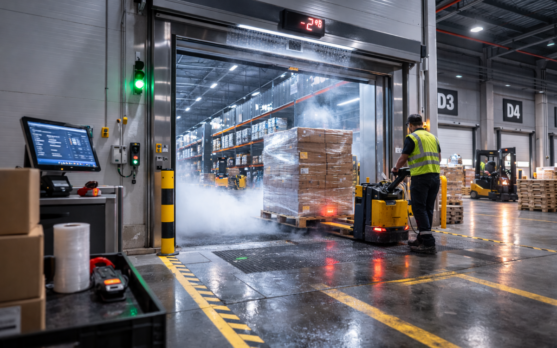
Reinforcement learning supervisory control is being positioned as the next step beyond PID for energy-efficient freezing, targeting lower kWh while maintaining temperature...
Sustainable Packaging
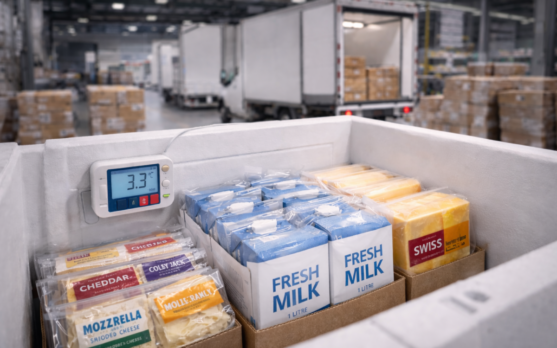
Recycle-ready cheese flow-wrap is emerging as the toughest test for sustainable flexible packaging, proving whether recyclable films can deliver strong seals, odor control, and...
Explore energy-efficient freezing through refrigeration controls, load flexibility, thermal strategy and lower-cost cold storage operations.
Discover how frozen food systems can reduce waste through better planning, packaging, handling, forecasting and recovery strategies.
Track sustainable packaging in frozen food through material shifts, barrier challenges, recyclability, compliance pressure and design strategy.