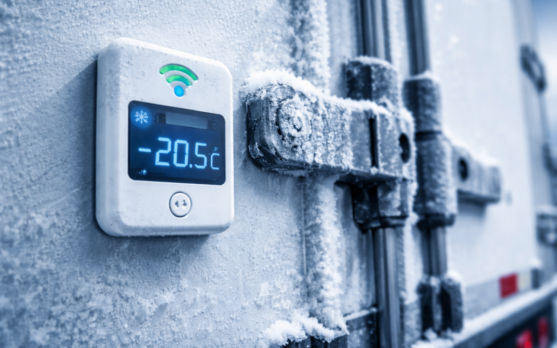
The next fight for freezer space may not come from another pizza, fry, ice cream or ready-meal brand. It may come from dog food. Premium pet meals are leaving the dry shelf and arriving with refrigerated displays, frozen pouches, subscription cartons, dry ice, insulated packaging and cold-chain expectations that look uncomfortably familiar to human food suppliers. For warehouse operators, it is a new growth lane. For frozen food producers already fighting for space, labour and service windows, it is one more tenant knocking on the freezer door.
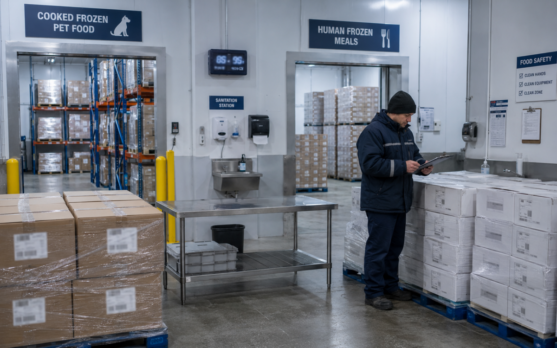
The dog has entered the cold room
Cold storage has always had a queue. Meat, seafood, fries, vegetables, bakery, ice cream, imports, foodservice stock, seasonal builds, retail promotions. The freezer was never empty real estate waiting politely for the next customer.
What has changed is the identity of one of the new customers.
Pet food used to be easy to place in the logistics map. Big bags, cans, pouches, dry pallets, ambient warehouses, long shelf life. Kibble did not ask for a frozen picking room. It did not need dry ice. It did not need a branded fridge in the store. Premium fresh and frozen pet food does.
That is why the category deserves more attention from human frozen food companies than it usually gets. Frozen pet food is not just a pet trend with nicer ingredients and better photography. It is a user of cold infrastructure. It wants space, labour, temperature control, outbound discipline and sometimes parcel-level fulfillment. Those are not soft resources. They are the expensive parts of the system.
GCCA has already pointed to frozen pet food as an opportunity for cold storage operators, with the segment expected to grow into a USD 10 billion market within the next decade. That sounds attractive if your business is selling temperature-controlled capacity. It sounds less charming if your frozen food plant is trying to book the same 3PL before peak season.
Freshpet showed what a cold pet category looks like in stores
Walk past a Freshpet fridge and the change is obvious. This is not a bag of pet food pretending to be premium from an ambient shelf. It is a refrigerated fixture sitting inside the retail environment, taking power, space, restocking attention and category confidence.
Freshpet reported 2025 net sales of around USD 1.1 billion and product availability in more than 30,000 stores. A meaningful share of those stores now carry more than one Freshpet fridge. The units are not decorative. They are cold equipment placed in the pet aisle, or close enough to it, asking retailers to treat dog and cat food like a perishable category.
That changes retail behaviour. A fridge creates a different rhythm from dry pet food. It needs replenishment discipline. It needs temperature reliability. It can create waste if rotation is poor. It also signals premium value to the shopper before the pack is even lifted.
Human frozen food has lived with that logic for decades. Pet food is learning it quickly.
Retailers do not install cold equipment for sentiment. They do it when they believe the category can earn the space. That is the industrial signal behind all the soft language about pet humanisation. The pet aisle is no longer asking only for shelf space. It is asking for cold estate.
DTC pet meals are closer to frozen meal fulfillment than to old pet food
The direct-to-consumer side is where the pressure becomes sharper. A subscription box of frozen pet meals is not a normal grocery pallet. It is a cold-chain order assembled for a household, often by recipe, portion, dog size and delivery cadence.
The Farmer’s Dog describes meals made fresh, quickly frozen and shipped pre-portioned. Chewy’s Get Real line is cooked, frozen, shipped with insulation and dry ice, then stored by the customer in the freezer. Butternut Box in Europe has built a fresh pet food delivery model around chilled logistics. Nom Nom, Ollie and similar brands sit in the same broad movement: pet food that behaves less like feed and more like perishable meal service.
That type of product consumes a different kind of cold capacity. It does not only need a freezer. It needs picking faces, packing benches, insulated shippers, dry ice handling, labour that can assemble orders accurately, cut-off discipline, parcel carrier coordination and systems that know the difference between two chicken recipes and three beef recipes for three different dogs.
A pallet of frozen fries is work. A subscription pet food box is a different kind of work.
For a 3PL, that can be appealing because complexity can be priced. For human frozen food suppliers, the uncomfortable part is obvious. The same labour pool, the same outbound docks, the same freezer zones and the same parcel cold-chain knowledge can be pulled toward a category that may be willing to pay for more service.
Cold storage capacity is not just cubic feet
It is easy to calm the issue down by pointing to new capacity. The U.S. reported 3.99 billion cubic feet of gross refrigerated warehouse capacity in 2025, up from 2023. Large global cold storage operators are still expanding. On paper, the map is getting bigger.
Paper is forgiving. Warehouses are not.
The right capacity depends on location, temperature zone, labour model, customer mix, picking complexity, dock timing and how much value-added work the operator can take on. A freezer designed around stable pallet flows is not automatically a good home for frozen pet food DTC. A facility that can store wrapped pallets may not want to manage recipe-level kitting, dry ice and consumer delivery claims.
Pet food also brings segmentation that cannot be ignored. Refrigerated cooked meals, frozen cooked portions and raw frozen pet food do not carry the same risk profile. Raw pet food has additional food safety sensitivity, with public health agencies warning about pathogens such as Salmonella and Listeria. That does not make the whole category unsuitable for shared infrastructure. It means good operators will need clear segregation, sanitation, packaging integrity, lot control and customer rules.
Some human food brands will ask questions if their product sits in the same wider network as raw frozen pet products. They may accept it if the controls are visible. They may not accept vague answers. In cold storage, trust is part of the rent.
The operator sees growth. The processor sees another claimant
From the warehouse side, pet food is easy to like. It has premium consumers behind it, fast-moving brands, subscription habits, retail build-out and a service profile that can justify more than basic storage rates. A frozen pet food customer may want storage, picking, packing, dry ice, insulated packaging, retailer replenishment and last-mile coordination. That is not just a pallet sitting quietly in the dark.
From the frozen food manufacturer’s side, the picture is more mixed.
Cold-chain operators have finite attention. Labour is finite. Dock time is finite. The best freezer space near major cities is finite. If pet food becomes a better-paying customer in certain markets, it will affect how capacity is priced and prioritised. Not everywhere. Not overnight. But enough to matter in tight regions.
This is the part that will not appear in pet food growth stories. A premium dog food brand does not need to take a huge share of national refrigerated capacity to become annoying. It only has to compete in the wrong place at the wrong time: an urban fulfillment hub, a high-demand 3PL, a peak seasonal window, a facility with limited pick labour.
A frozen bakery producer, an ice cream brand, a specialty meal company and a fresh-frozen pet food subscription business can all end up asking for the same service capability. One of them may be prepared to pay more for it.
The pet freezer is also a retail signal
In stores, the shift is more visible. PetSmart has expanded JustFoodForDogs into hundreds of locations. Petco has worked with delivery partners around fresh and frozen pet access. Pet specialty chains have been adding freezer and refrigerator space because customers are buying into the promise of fresher, less processed meals for animals.
A fridge in the pet aisle does not directly remove a frozen pizza slot. Retail stores are more complicated than that. But it does change how retailers think about cold merchandising. The pet category can now make a case for equipment, energy use and replenishment attention that once belonged mostly to human food categories.
That matters because cold space is always an argument about margin, traffic and operational pain. If pet food proves it can justify its cold footprint, retailers will keep giving it room. If it underperforms, the fridge becomes expensive furniture.
The early evidence suggests retailers are still willing to test the model. The freezer aisle may not notice immediately. The infrastructure team will.
The colder the pet market gets, the more serious the questions become
Frozen food companies should not panic about pet food. That would be theatrical. The bigger mistake would be ignoring it because it sits outside the human food category map.
Pet food is becoming a cold-chain customer with its own claims on space, service, technology and capital. That means 3PL negotiations will need sharper questions. Does the facility handle pet food? What type? Cooked, refrigerated, frozen, raw? Is it segregated? Is labour shared with human food picking? Are dry ice operations in the same outbound flow? Are pet DTC accounts using the same freezer zones or docks during peak periods? How are recalls and lot tracking handled?
Those are not defensive questions. They are normal capacity questions in a colder, busier supply chain.
The strange thing about premium pet food is that it borrowed much of its language from human food: fresh, real, gently cooked, minimally processed, personalised. Now it is borrowing the infrastructure too. Cold rooms. Fridges. Freezers. Insulated boxes. Last-mile rules. Subscription forecasting.
The dog has moved from the dry shelf to the operational plan.