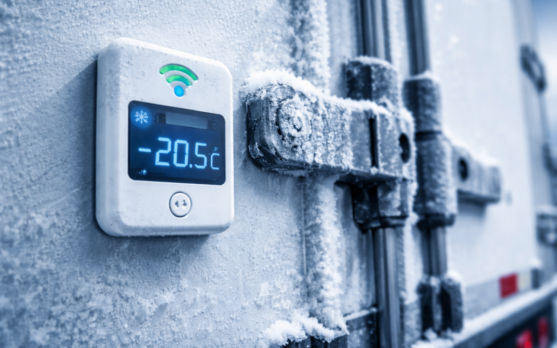
Cold chain logistics has entered one of those awkward periods that supply chain teams know all too well: demand is not collapsing, but predictability certainly is. Equipment may be available on paper and still feel scarce in the lanes that matter most. Transit times can look manageable in a spreadsheet, then stretch just enough to wreck a promotion, a harvest window, or a retailer delivery promise. That is why more shippers are leaning toward leased reefer containers and trailers instead of tying themselves too tightly to owned fleets. It is not simply about saving money. It is about buying optionality in a market where route economics, inland capacity, seasonal peaks, and sourcing patterns keep shifting under your feet.
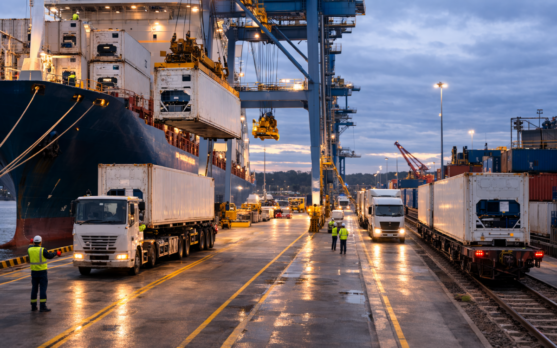
Cold chain planning has become more defensive
There was a time when many shippers could treat reefer planning as a fairly stable exercise. Book the season, secure the equipment, line up the inland legs, and spend the rest of your energy on cost control and service execution. That calmer version of the world has taken a beating.
Now the problem is less about a single dramatic breakdown and more about constant low-grade instability. One route lengthens because vessels are diverted. Another gets tighter because a seasonal export rush pulls equipment into the wrong place. Inland trucking pinches capacity in one region while port dwell rises in another. Trade policy changes, sourcing moves, and suddenly the lane that looked secondary three months ago becomes strategically important. That is how cold chain budgets get bruised: not by one monster shock, but by a thousand irritating little ones.
In that environment, owned reefer assets can start to feel oddly rigid. They are valuable when volumes are steady and flows are well understood. They are less charming when demand shifts fast, when the wrong type of equipment is in the wrong geography, or when route economics change before finance has finished congratulating itself on last quarter's capital plan.
Why leasing is getting a second look
Leasing is not a new idea, obviously. What is new is the way it fits the current mood of the market. Shippers want room to maneuver. They want to add capacity without overcommitting. They want to handle a peak, a disruption, a sourcing change, or a temporary storage problem without making every response into a multi-year balance-sheet decision.
That is where reefer leasing has become more attractive. A leased container or trailer is not just a piece of cold equipment. It is a hedge against timing risk. It gives logistics teams a way to react faster when a lane tightens, when a crop moves earlier than expected, when inventory has to sit closer to market, or when a warehouse network needs breathing room.
There is also a simple psychological truth here. In volatile markets, businesses start favoring reversible decisions. Leasing is a reversible decision. Buying is a declaration of faith. Some years reward that faith. Other years laugh at it.
Equipment shortages do not need to be universal to feel real
One of the trickiest things about reefer shortages is that they rarely look neat and global. It is not as if every port wakes up one morning and posts a sign saying sorry, no cold-chain assets left. The pain is usually patchier than that. Selected origins get tight. Certain inland corridors become difficult. Specific seasonal windows turn ugly. Some types of refrigerated equipment are harder to secure on short notice than others.
That patchiness is exactly why leasing gains ground. When tightness is uneven, the value shifts from owning a static asset base to accessing a flexible one. Shippers are not only asking, “Do I have enough reefers?” They are asking, “Can I get the right reefer, in the right place, fast enough to matter?” Those are very different questions.
And in cold chain logistics, timing matters in a brutally practical way. A reefer obtained one week too late is not delayed capacity. It is failed capacity. The strawberries, seafood, dairy, frozen prepared meals, or pharmaceutical products in question do not care that the procurement logic looked elegant in a quarterly review.
Route economics are changing faster than fleet strategies
This is the part that deserves more attention. Shippers are not moving toward leasing only because of scarcity. They are moving because the economics of moving temperature-sensitive cargo are changing lane by lane.
A longer ocean leg changes container turn times. A congested inland node changes the value of a trailer sitting as temporary cold storage. A retail customer demanding tighter delivery windows changes the worth of prepositioned refrigerated equipment near a distribution center. A tariff shift or sourcing adjustment can suddenly make one gateway more sensible than another, even if that was not the plan at the start of the year.
When route economics shift that quickly, leased equipment becomes a tool for staying commercially sane. It lets shippers test a network change without marrying it. It helps them cover overflow without pretending overflow is permanent. It supports a more fluid model where cold assets move with demand instead of forcing demand to justify old asset decisions.
That is especially important for companies whose reefer needs now stretch beyond simple transport. More businesses are using refrigerated trailers and containers as mobile or temporary storage, buffer inventory, overflow capacity, or on-site cold support during promotions, seasonal peaks, and facility transitions. In plain terms, the reefer is no longer just a vehicle. Sometimes it is the warehouse that showed up late but saved the week.
Leasing also solves a capital-allocation problem
There is another reason this trend has real staying power: finance departments are involved, and they are not famous for enjoying surprises.
Owning refrigerated equipment ties up capital in a category that is expensive, maintenance-sensitive, and sometimes difficult to deploy perfectly across a changing network. Leasing spreads cost, preserves cash, and reduces the risk of buying into the wrong specification at the wrong moment. That becomes more appealing when equipment prices are firm, procurement windows are awkward, and operational forecasts feel more like weather reports than strategy.
For many shippers, the lease-versus-buy decision is now less ideological than practical. If the business is facing uncertain volumes, shifting trade lanes, pressure for better visibility, and the occasional need for pop-up cold storage, a lease starts to look less like a fallback and more like a disciplined choice.
This does not mean ownership is dead
It would be silly to pretend leasing replaces ownership everywhere. Large shippers with stable flows, dense networks, and predictable utilization will still find plenty of logic in owning a meaningful share of their reefer assets. Control matters. Dedicated capacity matters. Long-run economics still matter.
But the balance is changing. More fleets are likely to become blended rather than pure. Some core assets will stay owned. More swing capacity will be leased. More seasonal needs will be rented. More temporary cold storage will come from portable reefer fleets rather than new facility commitments. That hybrid model fits the world better than the older all-or-nothing thinking.
And honestly, that is the smarter posture. The modern cold chain does not reward stiffness. It rewards prepared flexibility.
The bigger lesson for cold chain operators
The leasing surge around reefer containers and trailers is really a signal about how shippers now view risk. They are not assuming volatility will disappear soon. They are building around it. They are treating capacity as something that must flex with route changes, sourcing changes, seasonal swings, policy shocks, and customer demands that seem to get stricter every quarter.
That is why leasing is gaining momentum. It matches the shape of the problem. When uncertainty is structural, flexible equipment stops looking like a tactical patch. It starts looking like the operating model.
Cold chain logistics has always been unforgiving. What is changing now is not that the sector has become harder in some dramatic new way. It is that the old reward for committing hard and early has weakened, while the reward for staying nimble has grown. Leasing fits that reality rather well. Clunky, perhaps. Unromantic, certainly. Useful, absolutely.