For years, fresh has enjoyed a kind of effortless prestige. It looks cleaner, sounds healthier, feels more natural, and slips through conversation with the quiet advantage of not having to defend itself. Frozen, meanwhile, has often been treated like the practical backup plan. Useful, yes. Superior, rarely. But that old hierarchy is starting to look lazy. In 2026, the real question is no longer which format feels better in theory. It is which one wastes less, stretches household budgets further, and delivers a lower-impact result once the whole system is counted. That is where the comfortable myth starts to wobble.
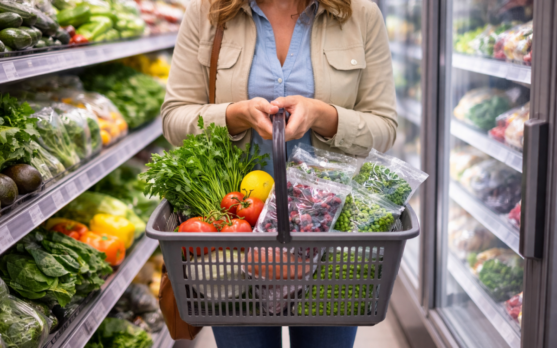
The old argument was emotional. The new one is operational.
The easiest way to get this topic wrong is to turn it into a purity contest. Fresh is not automatically good. Frozen is not automatically smart. The useful comparison is not aesthetic. It is operational. What gets eaten? What gets thrown away? What costs more once waste is counted? What creates more emissions once storage, spoilage, transport, and replacement purchases are included?
That shift matters because fresh has been winning part of this debate on image alone. It looks premium. It signals effort. It flatters consumer identity. But food systems are not judged by how morally elegant they appear in the produce aisle. They are judged by what happens after purchase. And once you follow the product past the shelf and into real homes, real kitchens, and real shopping habits, the story becomes much less flattering for fresh-first assumptions.
Waste is where frozen starts punching holes in the myth
This is the hardest part of the old fresh narrative to defend. In category after category, frozen tends to lose less food before it is actually used. That matters more than many people still admit. A product can look beautiful, seasonal, and aspirational, then quietly collapse into waste because it was bought with good intentions and weak planning. Frozen tends to interrupt that pattern. It gives the consumer time. Time is underrated. Time is often the difference between food consumed and food discarded.
Leafy vegetables are the clearest example. Spinach is almost a caricature of fresh fragility. It is bought with optimism, used once, then forgotten in a drawer until it turns into a damp little warning about modern life. Frozen spinach does not have the same romantic appeal, but it has a much better habit of still being usable when the household is finally ready for it. The same logic shows up in berries, green vegetables, fish, and a surprising number of staple items people assume are easy to manage fresh but still end up wasting in meaningful quantities.
That is the real 2026 reset. Waste is no longer a side note. It is part of the product truth. And once waste enters the conversation properly, frozen starts looking less like compromise and more like discipline.
Affordability is not about the cheapest pack. It is about the least wasted meal
This is where a lot of category thinking still feels stuck in an older retail mindset. Too much of the affordability debate is still framed around shelf price, as though the number on the pack closes the case. It does not. The more honest question is what the consumer pays for food that ends up on the plate, not food that dies slowly in a drawer and gets replaced later.
That shift changes the story fast. A fresh product can look cheaper in the moment and still become the more expensive option if a meaningful share of it goes unused. A frozen product can look slightly less attractive at first glance and still win decisively because it survives across several meals with almost no loss. This is not just about economics in the abstract. It is how real households work when optimism meets routine.
That is also why frozen fits the current affordability mood so well. It absorbs human inconsistency better. It reduces the financial penalty for imperfect planning. It works for people who shop in bursts, cook irregularly, and move meal ideas around during the week. In that sense, frozen is not merely a cheaper or more expensive format. It is often the format better aligned with how people actually live.
That alignment is likely to matter even more over the next few years. As both retailers and consumers become more interested in value per meal rather than value per kilo, frozen's strongest affordability argument will become harder to ignore. It does not always win at the shelf. It very often wins after the shelf.
Carbon is where both sides need to stop performing and start counting
This is the point where the conversation usually goes bad. Critics of frozen point to freezer energy and assume the case is settled. Defenders of frozen sometimes rush the other way and imply that lower waste automatically makes everything better. Neither position is smart enough for the market we are in now.
Frozen has a real energy cost. Freezing, cold storage, transport, retail cabinets, and home freezers all consume power. That should not be glossed over. But fresh is not environmentally innocent either. When fresh food is bruised in transit, rejected at retail, forgotten at home, or discarded because the household missed the moment, the system has still paid to produce it, move it, chill it, display it, and then throw it away. Those emissions are real. They do not disappear because the product once looked vibrant in a refrigerated display.
That is why the carbon discussion has to mature. In some categories, frozen's extra energy burden can be partly or fully offset by much lower food loss. In others, especially where fresh is close to source, seasonal, and consumed quickly, fresh can still come out ahead. The point is not to declare one format pure and the other guilty. The point is that waste changes the equation far more than older, more elegant narratives liked to admit.
And that is where the next phase of the market is likely to become more demanding. As policy pressure around food waste intensifies and carbon accounting becomes less decorative, both fresh and frozen will be judged less by image and more by total system performance. Frozen enters that future with a strong case in high-risk categories, but not with a free pass.
The category battle is where the argument stops being abstract
Spinach
Spinach may be one of the cleanest examples of frozen logic. Fresh spinach is fragile, easy to overbuy, and painfully easy to waste. It is bought with healthy ambition and then quietly abandoned when the week gets away from people. Frozen spinach is not poetic, but it is brutally efficient. It portions well, lasts, and turns a product prone to household failure into one that behaves like a useful staple. In ordinary life, that matters more than romance.
Berries
Berries are where freshness often becomes an expensive aesthetic. They are delicate, short-lived, and famously vulnerable to the gap between intention and execution. Frozen berries solve a different problem. They trade immediate visual perfection for far greater usefulness. Smoothies, breakfast bowls, desserts, sauces, baking, and portioned snacking all become easier when the product is not racing against the clock. Outside peak season especially, frozen berries are not the second-best option. They are often the more rational one.
Potatoes
Potatoes are more nuanced, which is exactly why they are interesting. Fresh whole potatoes can still offer excellent value and strong flexibility in disciplined households. But they are not magically waste-proof. They get forgotten, over-purchased, softened, or left too long more often than people like to admit. Frozen potato products win on different grounds: consistency, speed, portion control, lower prep friction, and the removal of one more point of failure between purchase and use. Here the real answer is not ideological. It depends on how people cook.
Fish and seafood
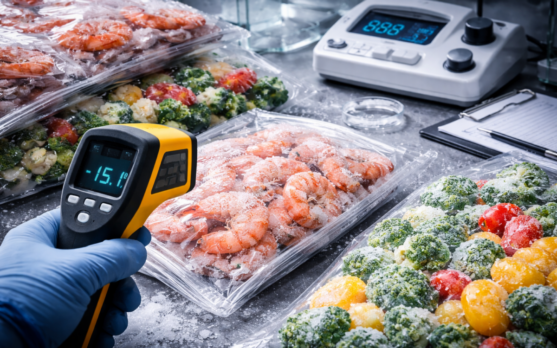
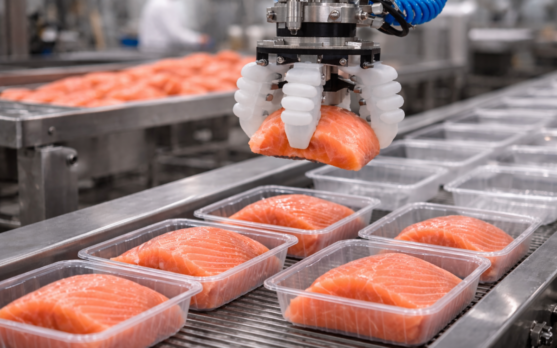
This may be one of frozen's most underappreciated strengths. Fresh fish carries a prestige premium, but it is also unforgiving. Timing matters, spoilage risk is high, and waste is especially costly. Frozen seafood strips out a good part of that risk. It offers flexibility, easier portioning, and a much wider window in which the product can still be used well. In households that are not shopping and cooking with near-perfect precision, frozen seafood often looks like the more mature system, not the lesser one.
Ready meals
This is where frozen should stay honest. Frozen ready meals are not automatically superior to cooking from scratch, and pretending otherwise weakens the whole case. Their better argument is more realistic than that. They often outperform abandoned meal plans, wasted groceries, expensive takeout defaults, and chilled convenience products that carry much less time tolerance. Frozen ready meals do not always beat ideal behavior. They quite often beat real behavior.
Bakery
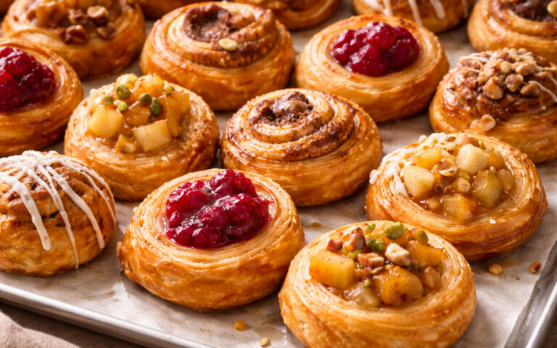
Bakery is one of the easiest categories to understand once you stop trying to make it sound glamorous. Bread is bought out of habit, not perfect forecasting. That is precisely why so much of it goes to waste. Freezing changes the rhythm completely. It turns a short-window product into a flexible one and allows households to take what they need rather than lose what they forgot. In bakery, freezing is not a trendy feature. It is common sense with a surprisingly large waste impact.
Pizza
Pizza may be the category that most clearly dismantles simplistic thinking. Too many conversations still act as though format alone decides the environmental or economic story. It does not. Ingredients, portion behavior, waste, and product design often matter more. A so-called fresh pizza piled high with more intensive ingredients can easily perform worse than a frozen pizza used predictably and wasted less. Pizza reminds us that the real battle is rarely as simple as frozen versus fresh. Often it is smarter system versus prettier story.
The market is slowly shifting from format prestige to format performance
Retailers and brands may not always say it this directly, but that is where the pressure is heading. The more interesting question is no longer which format feels superior in a vacuum. It is which format helps households waste less, manage budgets better, and keep more food useful for longer. Frozen is well positioned in that conversation, especially in produce, seafood, bakery, and certain convenience categories.
That does not mean fresh is in trouble everywhere. Fresh remains powerful in immediate-use occasions, in seasonal moments, in local sourcing stories, and in categories where the product can move quickly from purchase to plate with very little friction. But the days when fresh could claim automatic superiority without being challenged by waste data and real-use logic are fading.
Over time, that shift is likely to become more visible on shelf, in messaging, and in product strategy. Expect a more explicit fresh-for-now, frozen-for-later logic. Expect more brands to talk less about format identity and more about function. And expect the categories with the biggest spoilage problem to face the hardest questions first.