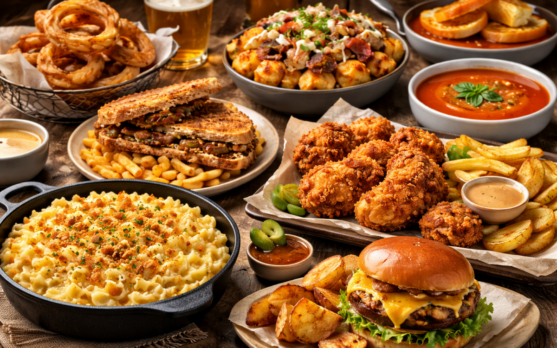
The frozen aisle is heading into a market shift that looks bigger than most brands still want to admit. GLP-1 drugs are not just reducing appetite. They are changing what a "good meal" looks like, how much of it people want, what kind of texture they tolerate, how they define value, and which frozen formats still feel useful. For years, frozen could win with volume, comfort, indulgence, and convenience alone. That equation is breaking. In the GLP-1 era, smaller appetites do not kill frozen. They force frozen to become more precise. Protein matters more. Fiber matters more. Portion control matters more. Waste reduction matters more. And indulgence, when it survives, has to become more deliberate. The brands that understand this early will not just protect volume. They will help define what the modern freezer aisle becomes next.

This is not a niche anymore. It is a demand reset.
The most dangerous mistake a frozen brand can make right now is to treat GLP-1 as a temporary health trend affecting a small corner of the market. The numbers already say otherwise. Depending on which lens you use, the user base is no longer small enough to ignore and no longer narrow enough to isolate. That matters because once a consumer segment gets this large, it stops behaving like a niche and starts acting like a market force.
And GLP-1 does not behave like older diet trends. It does not simply push consumers toward "lighter" products in the old sense. It changes eating frequency, appetite size, calorie load, sensory tolerance, and the economics of a meal occasion. That means the freezer aisle is not facing a messaging challenge. It is facing a product architecture challenge.
Frozen should be one of the winners. That is exactly why the lag is so striking.
On paper, frozen has almost everything a GLP-1 user should want. It offers portion control, convenience, shelf life, less waste, easy nutrition planning, and a natural pathway into protein-forward meals, vegetables, fruit and structured eating occasions. It is arguably one of the most adaptable parts of the store.
That is what makes the current gap so interesting. Frozen has the tools to benefit, but too much of the category is still calibrated for a pre-GLP-1 appetite. There are still too many products built around big portions, comfort-heavy formulas, family-size value logic, and indulgent grazing behavior. In a world where many users eat less, feel fuller faster, and become more selective about what each bite must deliver, those old assumptions start looking expensive.
The freezer aisle is not being asked to disappear. It is being asked to become more useful per bite.
The new winners in frozen are already visible.
1. Portion-aligned frozen meals
The clearest winners are single-serve meals that solve several needs at once: controlled portion, credible protein, fiber, convenience and low waste. This is why the first serious GLP-1 frozen moves from major brands have not been giant family trays or indulgent comfort reworks. They have been bowls, meal solutions, and clearly signposted better-for-you formats.
That logic is brutally practical. A GLP-1 user does not just want less food. They want less food that works harder. If the portion is smaller, the nutrition has to do more work. That is why meals with stronger protein density, visible vegetables, legumes, grains that feel functional rather than filler, and a cleaner satiety story are better positioned than legacy ready meals that mainly deliver calories and comfort.
2. Frozen produce and functional sides
This is one of the quietest but most important growth zones. Fruit and vegetables are well matched to the GLP-1 world because they support nutrient density, hydration, fiber and waste reduction without demanding a full meal commitment. They also fit the reality that many consumers on these medications do not always want a heavy plate. Sometimes they want components, add-ons, side dishes, smoothie ingredients, breakfast support or lighter eating occasions that do not feel punishing.
Frozen produce can become the infrastructure of the GLP-1 freezer aisle, even when it is not the glamorous part of the conversation.
3. High-protein frozen, but smarter
Protein is the obvious macro winner, but the category needs to be careful not to turn that into lazy sticker marketing. High-protein frozen will grow, but not every product with extra protein will win. Products still need to feel light enough to tolerate, balanced enough to repeat, and nutritionally dense enough to justify the claim. The frozen aisle does not need more protein theater. It needs meals and snacks where the protein architecture actually helps the user.
That means more attention to lean proteins, dairy proteins, pulses, egg formats, balanced bowls, breakfast solutions, and fortification that does not destroy texture or leave a chalky aftertaste. In the GLP-1 era, a bad high-protein product may be punished faster than an ordinary one because tolerance is lower and patience is shorter.
4. Controlled indulgence
Indulgence is not going away. It is being resized. This may be one of the most misunderstood parts of the GLP-1 shift. Some consumers are not abandoning treats. They are becoming more selective about them. That changes the frozen dessert conversation in a very specific way.
The opportunity is no longer "how much indulgence can we sell?" but "what kind of indulgence still makes sense in a smaller appetite economy?" That favors mini formats, premium single-serve novelties, cleaner sensory design, and desserts that feel intentional instead of excessive. It is a smaller-but-better logic. The brands that keep selling indulgence like volume will struggle. The brands that sell indulgence like a carefully chosen reward still have room to grow.
The losers are just as visible.
1. Family-size and over-portioned frozen built around old value logic
One of the clearest losers is the large-format frozen product that assumes appetite equals consumption and consumption equals value. That logic weakens when more households include someone eating far less than before. Suddenly, price per kilogram becomes less persuasive than price per genuinely useful meal occasion. Oversized formats can start to feel like waste, even when they once looked like value.
2. Grazing-driven snacks and freezer treats built for mindless eating
Frozen appetizers, snackable shareables, calorie-dense finger foods and some novelty desserts all face pressure when the eating pattern shifts away from impulse and toward intentionality. That does not mean the whole segment collapses. It means products depending on automatic repeat bites become less safe bets than products designed for slower, more deliberate consumption.
3. Heavy, sweet, greasy or sensory-fatiguing products
This is where many frozen brands will get caught. The GLP-1 shift is not only about calories. It is also about tolerability. If a product is too greasy, too sweet, too thick, too rich or too aggressive in flavor, it can become much less attractive. That is a direct problem for some legacy comfort products, creamy meals, very rich desserts, and formulas built on instant craveability rather than sustained acceptability.
Formulation is changing from taste optimization to bite efficiency.
This may be the biggest product-development shift of all. In the old model, formulators often optimized for craveability, richness, and instant pleasure. In the GLP-1 model, they need to optimize for what I would call bite efficiency. Each bite has to justify its place. It has to deliver protein, fiber, nutrients, satiety, and a sensory experience that still works when the user is eating more slowly and often with lower tolerance for excess.
That changes several things at once. Protein stops being a claim and becomes a structural requirement. Fiber becomes more important, but it has to be delivered in ways that remain comfortable. Fat becomes more delicate because too much can worsen side effects and reduce repeatability. Sweetness becomes trickier because some users report greater sensitivity to sweet, rich or greasy flavor profiles. Texture matters more too, especially for foods eaten slowly or reheated and consumed over a longer time window.
Frozen brands that keep building products for old-style craveability metrics may discover that they are optimizing for the wrong appetite.
Pricing is changing too, even if many brands have not noticed yet.
GLP-1 is quietly changing value perception. In a smaller-appetite world, the consumer does not necessarily want the cheapest large format. They want the most useful portion. That is a major shift.
A frozen meal with strong protein, credible fiber, convenient preparation and low waste can justify a higher price per kilo if the price per eating occasion feels fair and the portion actually fits the user. This is especially important for people living alone, consumers trying to avoid waste, and households where only one person is eating on GLP-1 logic while others are not. Flexibility becomes commercial value.
That means frozen may gain pricing power in some places even while total calorie consumption falls. Strange little market beast, this one.
The strategic split is coming.
Over the next two to five years, the freezer aisle is likely to separate into two broad worlds. One will be performance frozen: portion-aligned, protein-forward, fiber-aware, lower-waste, highly convenient and nutritionally legible. The other will be legacy comfort frozen: larger, denser, more indulgent, more automatic, and increasingly dependent on consumers whose eating behavior is no longer setting the pace of category innovation.
Not every legacy comfort product will fail. Some will survive by becoming more premium, more occasional, or more precisely portioned. But the center of gravity is moving. The aisle is drifting toward smaller, denser, more functional, and more intentional eating.
What happens next
Short term, 6 to 18 months
Expect more badges, more curated claims, more protein bowls, more smaller-format launches, more breakfast entries, and more frozen products marketed around portion guidance and nutrition density. The first wave will include both smart repositioning of existing products and new launches designed for this demand pattern.
Medium term, 2 to 5 years
Frozen will likely become one of the main battlegrounds for GLP-1-aligned eating because it can combine convenience, shelf life and controlled nutrition more efficiently than many fresh formats. This is where the real winners will emerge: not from who says "GLP-1 friendly" first, but from who builds the most repeatable products for the new appetite economy.
Long term, 5 years and beyond
The explicit GLP-1 label may eventually matter less than the design principles behind it. By then, the best frozen products for GLP-1 users may simply look like the best modern frozen products, full stop: portion-smart, nutrient-dense, less wasteful, better balanced, and more deliberate in how they deliver enjoyment. If that happens, GLP-1 will not just have created a subcategory. It will have accelerated the redesign of frozen itself.