A frozen meal used to win on convenience, then on price, then on cuisine. Now it is being asked a more uncomfortable question in the freezer aisle: if the portion is smaller, the appetite is weaker and the shopper is reading the protein number before the flavor, does the meal still earn its place in the basket?
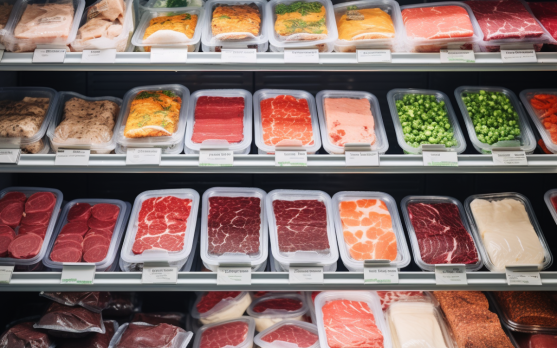
Protein has left the gym
High-protein frozen meals have outgrown the old fitness shelf. That matters, because the word "fitness" still makes the category sound narrower than it is. The customer is no longer just the person leaving the gym with a shaker bottle. It is the office worker buying three lunches for the week. The older shopper trying to protect muscle mass. The parent who wants a fast dinner that does not feel like nutritional defeat. The GLP-1 user who cannot finish a large meal but still needs something more serious than a snack.
In retail, protein has become one of the easiest nutrition signals to read. It is short, numeric and visible on a pack front. A freezer door can be confusing, with bowls, trays, pizzas, pasta, breakfast wraps and diet brands all fighting for the same few seconds of attention. A protein number cuts through that mess. It tells the shopper the product might do more than fill space on a plate.
That is also where the danger begins. Protein has become so marketable that it can be pasted onto products without changing the meal architecture underneath. A frozen bowl with a loud protein claim but weak fiber, tired vegetables, heavy sauce and a disappointing texture after microwaving is not a health platform. It is a standard frozen meal with a better line on the front panel.
The better products are moving differently. They are not simply chasing the biggest gram number. They are being built around satiety, portion logic, protein quality, fiber, digestibility, calorie control and the way the food actually eats after freezing and reheating. That last part still decides repeat purchase. A consumer may forgive a first mediocre high-protein meal because the claim is attractive. They rarely forgive the third.
GLP-1 did not create the trend, but it sharpened it
The rise of GLP-1 drugs has changed the tone around portion-controlled food. It has also made some food marketers unusually excited. That excitement needs discipline. Frozen meals should not be dressed up as medical tools, and a "GLP-1 friendly" badge is not a substitute for a well-built meal.
Still, the commercial shift is real. GLP-1 users often report lower appetite, earlier fullness and different tolerance for heavy, fatty or very large meals. For food companies, that turns the old diet-meal problem upside down. Smaller portions are no longer just about restriction. They have to carry more nutritional weight. If someone eats less, the meal has less room for empty calories, poor protein distribution or token vegetables.
Nestle moved early with Vital Pursuit, a frozen range positioned for people managing weight, including GLP-1 users. The line uses familiar frozen formats, such as bowls, protein pasta, sandwich melts and pizzas, rather than clinical-looking trays. That choice is important. The shopper may be adjusting appetite, but still wants normal food. A pizza can fit the new health conversation if the portion, protein and nutrient story are credible. The same is true for pasta, breakfast and handheld meals.
Conagra took a different route with Healthy Choice, adding an "On Track" badge to selected products and calling out high protein, lower calories and fiber. Whether that language becomes common or stays cautious will depend on regulation, consumer trust and the appetite of retailers for medical-adjacent claims. The bigger point is already clear: GLP-1 has made portion, protein and satiety part of the frozen meal development brief.
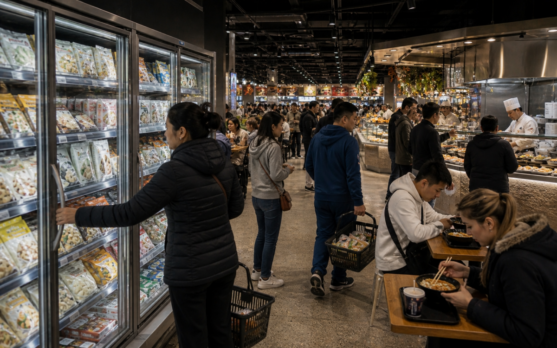
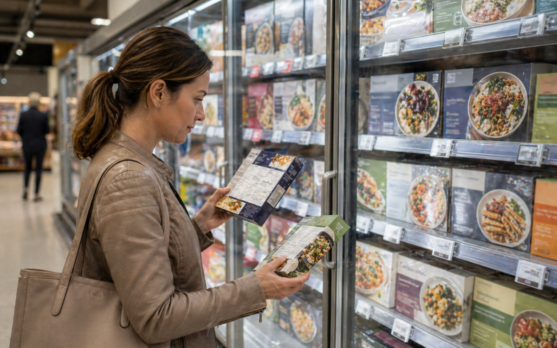
There is a supermarket scene that explains the shift better than most presentations. A shopper stands in front of the frozen case at lunchtime, phone in one hand, pack in the other. They are not comparing cooking instructions first. They are looking at protein, calories, maybe fiber, maybe sodium, then price. Flavor still matters, but it has moved into a negotiation with the nutrition panel.
The protein-washing problem
"High protein" is useful only when the rest of the product behaves like a meal. Otherwise the category risks protein-washing: adding enough protein to earn attention while leaving the eating experience and nutritional balance largely unimproved.
Protein-washed products usually have tells. The vegetables look decorative. The sauce carries too much of the experience. Fiber is low. Sodium does more work than flavor development. The starch component dominates because it is cheap, familiar and easy to process. The pack talks about protein as if grams alone can rescue the meal.
Good high-protein frozen meals are harder to build. They need protein that survives freezing, reheating and sauce contact without becoming rubbery, dry or oddly spongy. Chicken pieces must not eat like filler. Beans and lentils need texture control. Egg-based items have to avoid the reheated breakfast-cardboard problem. Plant proteins need careful flavor work, especially in products that already carry a health claim.
The manufacturing difficulty is often underestimated. Protein changes cost, water behavior, freeze-thaw performance and mouthfeel. A higher-protein sauce, pasta or dough is not just a label exercise. It can affect line handling, portioning, cooking validation and shelf-life performance. In the factory, a nutrition claim eventually becomes a process question.
In Europe, the discipline is also regulatory. "High protein" has a defined meaning under nutrition claim rules, based on the percentage of energy supplied by protein. That framework can help keep the worst exaggerations away from the pack front. It does not, however, tell a retailer whether the meal is satisfying, balanced or worth the freezer space. Compliance is only the floor.
Private label is coming with sharper elbows
The protein trend is too big for national brands to own alone. Retailers can see it in search data, loyalty cards, basket behavior and digital filters. They know which shoppers are buying protein yogurt, chicken bowls, shakes, snacks and frozen meals in the same trip. That makes high-protein frozen meals an obvious private-label target.
Kroger's Simple Truth Protein launch showed how quickly a retailer can turn protein into a broad own-brand language, covering meals and snacks across the store. Once private label moves this way, frozen brands face a tighter comparison. The shopper sees a protein number, a price, a trusted retail brand and a familiar format. The national brand must then justify why its product deserves the premium.
That justification cannot rely on protein alone. It has to come from taste, texture, recipe authority, better ingredient architecture, clearer benefits or formats the retailer cannot easily copy. A branded Korean-style chicken bowl, a high-protein breakfast wrap or a pasta meal built around better texture may still defend space. A plain tray with a large number on the front will have less room to hide.
Retail media adds another layer. Protein is easy to filter, promote and bundle. A retailer can create a "high protein meals" destination in an app before the shopper ever reaches the freezer. Products that fit the claim architecture become more discoverable. Products that do not may be perfectly acceptable meals, but they will not appear in the search path that the shopper is now using.
Frozen has an advantage, if it respects the meal
Frozen food has a practical advantage in this new nutrition conversation. It can deliver portion control without relying on shelf-stable compromises. It can hold vegetables, grains, sauces, meat, legumes and breakfast components in a format that is ready when the consumer needs it. It can also manage cost per meal better than many fresh prepared options.
But frozen also carries baggage. Some shoppers still expect too much sodium, too little freshness, small portions and meals that look better on the box than in the bowl. High-protein positioning will not erase those doubts. It may even make them sharper. When a product asks to be judged as a better meal, the eating experience is judged more severely.
The strongest products will probably look less like diet food and more like compact, well-engineered meals. A bowl with visible vegetables, a credible protein portion and a sauce that does not overwhelm everything. A breakfast item that delivers protein without tasting like a nutritional workaround. A pasta or pizza that gives portion satisfaction without pretending indulgence has disappeared.
There is also a foodservice echo here. Consumers have become used to protein-forward menu language in fast casual restaurants, gym-adjacent chains and delivery apps. Frozen meals are now expected to borrow some of that clarity, but at a supermarket price and with a reheating step. The gap between the restaurant bowl and the frozen bowl is narrowing in the shopper's mind, even if the manufacturing reality remains very different.
The next test is balance, not bigger numbers
The category will be tempted to escalate. Twenty grams becomes twenty-five. Twenty-five becomes thirty. Some products can support that. Others will become dense, expensive or unpleasant to eat. More protein is not always the better commercial answer.
The smarter direction is balance. Protein per calorie. Fiber that contributes to satiety. Vegetables that are visible after reheating. Carbohydrates that fit the meal rather than fill the tray. Sodium control without blandness. A portion that feels intentional, not shrunken. Packaging that explains the benefit quickly without wandering into medical promise.
Short term, the U.S. market will keep pushing the GLP-1 language harder than Europe. The regulatory and cultural environment is different. European launches may stay closer to "high protein", "source of fiber", "balanced meal" and "portion controlled". That may be less flashy, but it could also be more durable.
Medium term, retailers will separate the credible products from the noisy ones. Some high-protein frozen meals will become everyday lunches. Some will sit as trial purchases with weak repeat. The difference will not be the claim on the front. It will be whether the meal works on a Tuesday, under time pressure, eaten from a bowl at a desk or after a late commute.
Longer term, high-protein frozen meals may become part of a wider everyday nutrition platform: smaller appetite, active ageing, muscle maintenance, blood sugar awareness, workday satiety and weight management without the old diet-food shame. That is a large opportunity. It is also less forgiving than the fitness niche. A gym consumer may accept functional food that tastes functional. A mainstream frozen meal shopper wants dinner.
The freezer can serve that shopper well. It already has the portion control, the format range and the manufacturing discipline. What it needs now is honesty. Protein can open the door. Only a real meal can keep the product in the basket.