The next wellness frozen meal will not win because it promises a better mood. It will win because it helps someone avoid the bad lunch: the meal that is too light to satisfy, too heavy to work after, too salty to justify, too empty to repeat, or too vague to survive a retail buyer’s second look.
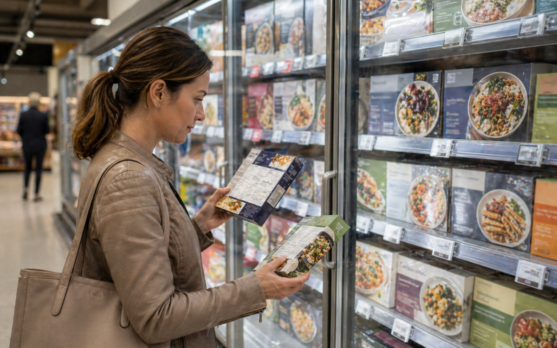
Wellness has moved out of the diet corner
Frozen wellness used to lean on old diet language. Fewer calories. Smaller trays. Light sauces. A claim that made the shopper feel disciplined before the product made them feel disappointed. That era has not fully disappeared, but it no longer carries the category.
The more interesting shift is practical. Consumers are looking for food that helps the day work better. They may not use that language at the freezer door, but the behavior is visible. Protein is checked first. Calories are scanned quickly. Fiber matters more than it used to. Sodium is noticed by a growing number of shoppers, especially older consumers and those buying repeat weekday meals. A bowl or tray is no longer judged only as dinner. It is judged as an answer to hunger, work, energy and control.
This is where frozen has a quiet advantage. It already controls portion. It is easy to store. It can carry vegetables, grains, legumes, proteins and sauces in a single format. It can be bought ahead and used on a Tuesday when the alternative is takeout, skipped lunch or whatever is left in the office fridge.
But the category also carries old suspicion. Too processed. Too salty. Too small. Too soft after microwaving. Wellness claims will not erase that. They make the scrutiny sharper.
The GLP-1 effect is really a portion effect
GLP-1 drugs have made food companies look again at appetite. Some of the marketing is already too enthusiastic. A frozen meal does not become medically meaningful because a pack carries friendly language. A smaller appetite does not need a slogan. It needs a meal that uses limited eating space well.
Nestle’s Vital Pursuit line made the industry look directly at this opportunity. The idea was not a strange supplement-style product. It was familiar frozen formats, bowls, protein pasta, sandwich melts and pizzas, built around high protein, fiber, essential nutrients and portion alignment. That choice matters because it keeps the food recognizable. Consumers may be changing how much they eat, but they are not asking the freezer aisle to behave like a clinic.
The wider implication goes beyond GLP-1 users. Smaller, more nutrient-dense meals have relevance for workday lunches, active ageing, weight management, late dinners and consumers trying to avoid the heavy meal crash. The commercial brief becomes harder: make the portion feel intentional, not reduced; make the nutrition count, not decorate the label; make the meal satisfying enough to buy again.
That is a different skill from selling low calorie. A thin meal with a wellness badge will be punished quickly. A compact meal with protein, fiber, vegetables, controlled fat, credible carbohydrates and a good sauce has a better chance.
Mood is tempting, but claims need discipline
Food marketers like words that feel bigger than the product. Mood. Focus. Calm. Energy. Brain support. The freezer aisle will hear more of them. Some will be useful cues. Others will drift too close to supplement theater.
The safer and more durable route for frozen meals is to build around measurable food benefits. High protein where the threshold is met. Source of fiber where the product earns it. Lower sodium if the taste still works. Whole grains where they fit the format. Legumes, vegetables, nuts, seeds or olive oil when they make culinary sense. A Mediterranean-style bowl has more credibility than a frozen dinner making a broad emotional promise it cannot prove.
MIND and Mediterranean-style eating patterns offer useful inspiration, but they should not be turned into lazy pack language. A meal with leafy greens, beans, whole grains, poultry or olive oil can support a better eating pattern. It should not be sold as a shortcut to cognitive health unless the claim is legal, substantiated and properly framed.
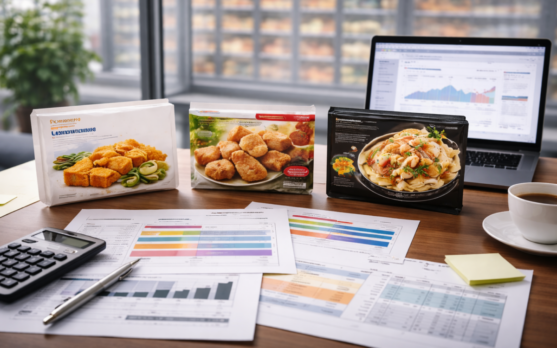
Retailers should be careful here. Wellness language can create traffic, but weak claims create distrust. A buyer reviewing a new frozen wellness range should ask less about the mood word and more about the plate: how much protein, how much fiber, what kind of carbohydrate, what level of sodium, how much real vegetable, what portion size, what texture after reheating.
The meal architecture has to do the work
A wellness frozen meal is only as strong as its architecture. Protein alone is not enough. Fiber alone is not enough. Clean label alone is not enough. A product can look impressive in one metric and still fail as a meal.
Protein can dry out after freezing and reheating. Fiber can make sauces pasty or gritty. Vegetables can release water into the wrong part of the tray. Whole grains can become dense. Sodium reduction can make a sauce taste unfinished. Smaller portions can look mean unless color, texture and volume are handled carefully.
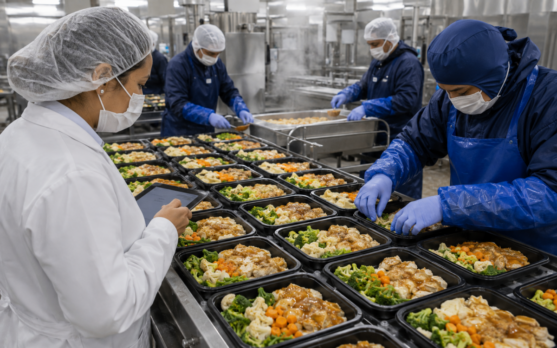
In the development kitchen, wellness quickly becomes manufacturing. Can the sauce hold? Can the vegetables survive the microwave without flooding the bowl? Can the protein remain tender? Can a high-fiber component be added without creating an eating quality problem? Can the product be made at a price that still works for a weekly lunch occasion?
There is a reason many old diet meals felt like punishment. They were designed around subtraction. The stronger wellness products will be designed around usefulness. A smaller amount of food, built better. A sauce that carries flavor without relying only on salt. A grain or legume base that gives substance. Protein that feels like part of the recipe, not a number forced into the panel.
The claim is the invitation. The meal is the proof.
Private label will raise the bar
Wellness frozen meals cannot remain only a premium-brand playground. Retailers already see protein, fiber, low sugar, clean label and portion control across the whole store. They can connect frozen meals to shopper behavior in yogurt, snacks, meal kits, prepared foods, supplements and digital search.
Once private label enters more aggressively, the category will become less forgiving. A branded bowl that talks about energy and satiety will sit next to a store-brand meal with similar protein, similar calories and a lower price. The branded product will need a reason to exist beyond the front-panel word.
That reason may be cuisine, better texture, stronger ingredient quality, more interesting formats or nutritional architecture that is genuinely harder to copy. It may also be trust. If a brand can make wellness feel normal rather than medicinal, it has a chance. If it looks like a claim stack, it becomes vulnerable.
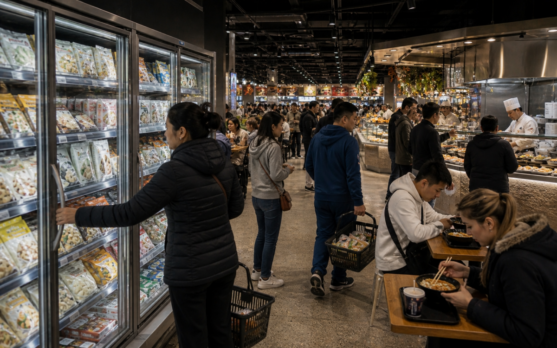
Digital retail will intensify this. Protein, fiber, calorie range, gluten-free, low sodium and plant-based filters can decide whether a frozen meal is seen before the shopper reaches the store. Wellness is becoming searchable. Products that cannot be classified clearly may lose visibility even if they eat well. Products that classify well but disappoint after cooking will win trial and lose habit.
The category needs fewer miracles and better lunches
The short-term market will probably bring more GLP-1-friendly language, more high-protein bowls, more smaller portion meals and more attempts to connect frozen with energy, mood or gut health. Some will be serious. Some will be packaging ambition ahead of product reality.
Medium term, retailers will start separating useful wellness from decorative wellness. The better products will have a clear daypart. Lunch at work. Smaller dinner. Post-commute meal. Active ageing breakfast. High-protein snack meal. A gut-friendly bowl that also tastes like lunch, not a fiber delivery system.
Longer term, frozen wellness may become less about health halos and more about daypart nutrition. Meals designed for the way people actually eat: rushed, tired, working, medicated, ageing, budget-conscious, sometimes alone, often in front of a screen, still wanting food that feels like food.
The freezer can serve that reality better than many fresh formats. It can hold quality, control portion and make better eating available without daily planning. But it has to stop borrowing the loudest language from supplements and start proving that a frozen meal can be a serious everyday nutrition tool.