The most important robot in a frozen food factory may not be the one that packs the product. It may be the one that proves the line is clean enough to start again. Until that happens, food automation will remain oddly unfinished: brilliant during production, exposed the moment the belts stop.
The factory looks different after the line stops
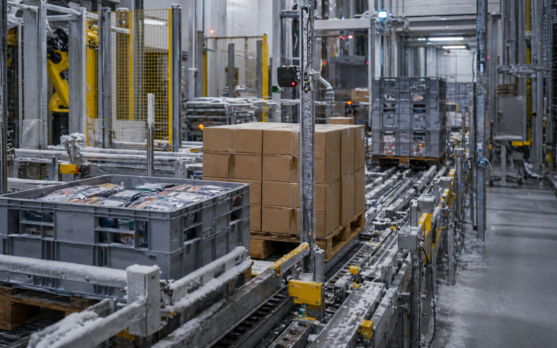
During production, automation is easy to admire. A robot lifts trays with the neat confidence of a machine that never gets bored. A case packer keeps rhythm. A vision system rejects the odd pack without drama. Visitors see stainless steel, speed, screens, order. It photographs well.
Then the shift ends.
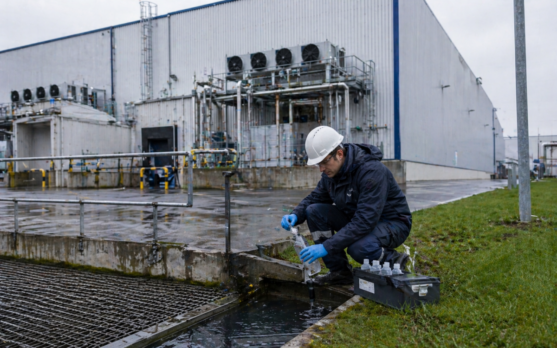
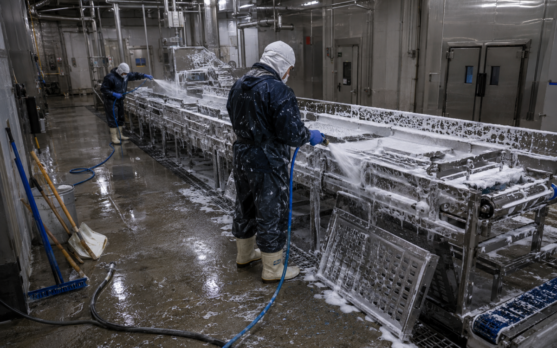
The factory changes character. Guards come off. Belts open. Someone finds product caught under a scraper, sauce dried around a fitting, crumbs in a hinge, moisture where nobody wanted moisture. The floor is wet. The drains matter more than the robots. The most experienced person in the room is not the automation engineer, but the sanitation lead who knows which part always takes longer than the supplier promised.
Frozen food plants know this scene too well. Potato residue, vegetable fragments, meat juices, breading dust, cheese, dough, sauces, starch, fat, allergens, condensate. They do not care how modern the packaging line looked at noon. At 2 a.m., they are simply soils that have to be removed, surfaces that have to be reached and risks that have to be controlled before the first product of the next run is allowed anywhere near the line.
Food manufacturing has spent years automating the visible work. Picking, packing, palletizing, inspection. All useful. All necessary. But the dirty part has lagged behind, partly because it is harder to sell, harder to film and harder to reduce to a neat return-on-investment slide. Sanitation is messy in every sense: wet, chemical, microbiological, mechanical, human, procedural. It sits between engineering and food safety, and that is exactly why it has been allowed to remain half-manual for so long.
Sanitation is no longer a third-shift footnote
Something has shifted. PMMI’s 2025 report on automation in food and beverage equipment sanitation gives this old factory problem a new commercial weight. The language around sanitation is no longer just about labour availability or cleaning checklists. It is about workforce readiness, hygienic design, documentation, flexible automation and whether OEMs are building equipment that can actually live inside a food plant after the production demo is over.
That last point matters. Many machines are sold on what they do in operation. Too few are judged hard enough on what they become during cleaning. Can the operator see the product contact points? Can parts be removed without tools disappearing into a tray? Does water pool? Are cables routed like somebody thought about foam, spray and chemical exposure? Does the robot tolerate the plant’s actual washdown regime, or only the gentle version described in the manual?
Sanitation automation has not been delayed because factories are conservative. Some are, of course. But the deeper reason is more uncomfortable: many lines were never designed to be cleaned automatically. Or even cleaned easily. Automation was added to production first, then sanitation crews were left to work around the equipment.
That approach is becoming expensive. A line that runs fast but cleans slowly still steals capacity. A new format that looks profitable in a buyer meeting can become a nightmare if every changeover demands more dismantling, more verification and more waiting. A plant that cannot prove cleanability is not agile, even if the equipment brochure says it is.
Frozen food has a cold-chain image, but a wet-floor reality
Frozen food sometimes carries a false sense of safety in the public mind. Frozen sounds controlled. Stable. Preserved. In the plant, it is not so simple.
The product may end frozen, but the manufacturing environment is often full of movement: raw and cooked zones, chill areas, freezers, packaging rooms, condensation points, carts, forklifts, tools, people, drains, maintenance work and occasional awkward gaps between ideal flow and old building reality. Cold slows many things. It does not excuse weak sanitation.
Listeria is the name that changes the tone of the conversation. It can persist in cold, damp environments and it has a talent for turning small harborage points into large business problems. The frozen category has spent years building more disciplined control programs around hygienic design, sanitation controls, environmental monitoring, process validation, zoning, freezer management and GMPs. None of that sits comfortably with vague cleaning routines and poor documentation.
The 2025 Listeria outbreak linked to frozen supplemental shakes was a brutal reminder of what persistence can mean. The products were not a typical retail frozen dinner or snack, but the lesson lands across cold and frozen manufacturing: environmental positives are not paperwork events. They are warnings from the plant itself. Once contamination becomes resident, distribution does the rest.
And then there are allergens, less dramatic in headlines but relentless in daily planning. A frozen bakery line changing between recipes with milk, egg, wheat and sesame exposure. A ready-meal plant moving from cheese sauce to a dairy-free SKU. A coated protein line that handles different marinades or breaders. A plant-based product manufactured near animal protein. The commercial team may call it portfolio flexibility. The sanitation team hears changeover, validation, residue, swab, release.
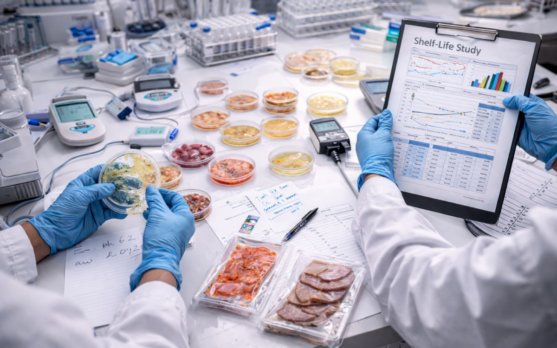
That is where the word “clean” becomes almost too small. The issue is not whether a line looks acceptable. It is whether the plant can prove that the previous product, previous allergen and previous microbial risk have been dealt with well enough to run the next product. In modern frozen food, clean is not a visual state. It is an argued position, backed by method and evidence.
The awkward truth about hygienic automation
Food-grade robots are getting better. Washdown models, food-grade lubricants, sealed designs, smoother surfaces, special coatings and higher IP ratings are no longer rare. That progress matters. It also makes the next question unavoidable: who cleans the automation?
A robot arm may be suitable for a food zone and still create sanitation questions around end effectors, mounting points, cabling, guarding and nearby conveyors. A packaging system may reduce manual handling and still add surfaces that are difficult to access. A compact machine may save floor space and punish the cleaning crew every night. A beautifully enclosed system may keep operators safe and hide the exact place where product residue accumulates.
This is where purchasing decisions often go wrong. The production team asks about speed. Engineering asks about footprint. Finance asks about payback. QA asks about risk. Maintenance asks, sometimes too late, how the thing opens. Sanitation asks whether anybody has actually cleaned one after running sticky, fatty, protein-rich or allergen-containing product for a full shift.
Those questions should not be left to the installation phase. If an OEM cannot explain cleaning access, chemical compatibility, disassembly time, water ingress protection, validated sanitation routines and documentation before the purchase order, the conversation is not mature enough. A food machine is not finished when it runs. It is finished when it can be cleaned, verified and restarted without drama.
Factories are beginning to understand that. PMMI’s work points to demand for better OEM training, clearer documentation and more practical, flexible automation. Not every plant is asking for a spectacular robotic cleaning cell. Many want something more grounded: equipment that survives the plant, records what matters and reduces the dependence on whoever happens to be on sanitation that night.
The first useful automation may look boring
The fantasy version of sanitation automation is a robot that roams the plant and cleans everything. It is attractive because it avoids the harder discussion about design. The practical version is less cinematic.
It starts with conveyor cleaning that runs consistently instead of depending entirely on manual angle, pressure and patience. It starts with CIP systems that measure time, temperature, flow and chemistry properly. It starts with mobile cleaning units that can move between lines. It starts with parts designed to come off quickly and go back correctly. It starts with sensors that do not magically replace verification, but make weak routines harder to hide.
In frozen potato, vegetable, bakery, snacks, seafood and ready-meal plants, these ordinary improvements can matter more than another shiny robot on the main line. A conveyor that cleans more consistently shortens uncertainty. A better-designed guard saves minutes every night. A CIP cycle with usable records gives QA something stronger than trust. A mobile system that helps two sanitation workers do a heavy job safely is not glamorous, but it may protect more capacity than a faster case packer.
The industry should be careful here. Automation will not remove judgment from sanitation. There will still be people who know the line by sound, smell, habit and scar tissue. The goal is not to pretend that cleaning can become a push-button fairy tale. The goal is to remove the worst variation, the worst ergonomics, the worst blind spots and the worst paper-based guessing.
There is a labour argument too, although it is often spoken politely. Sanitation work is hard to staff, hard to retain and physically demanding. It happens when the rest of the plant is tired. It involves water, chemicals, cold rooms, protective gear and time pressure. If food companies talk seriously about workforce readiness, they also have to talk about whether they are asking people to compensate for poor equipment design night after night.
Cleanability will decide how flexible factories really are
Frozen food is moving toward more formats, more private label demands, more foodservice specifications, more plant-based variants, more allergen-sensitive products, more premium recipes and more retailer requests that sound simple until they hit the line schedule. Every extra SKU has a sanitation shadow.
A buyer wants a limited run. A retailer asks for an exclusive flavour. A foodservice customer wants a slightly different coating. Marketing wants a seasonal pack. None of those ideas are wrong. But in the factory, commercial variety becomes changeover time, cleaning time, validation time and risk. When the cleaning window becomes too tight, flexibility becomes theatre.
That is why sanitation belongs in capital planning, not just QA meetings. The next machine should be judged by output and by the minutes it removes or adds after shutdown. The next robot should be judged by payload and by cleanability. The next line layout should be judged by flow and by what a sanitation crew can actually reach when the shift is over and the floor is wet.
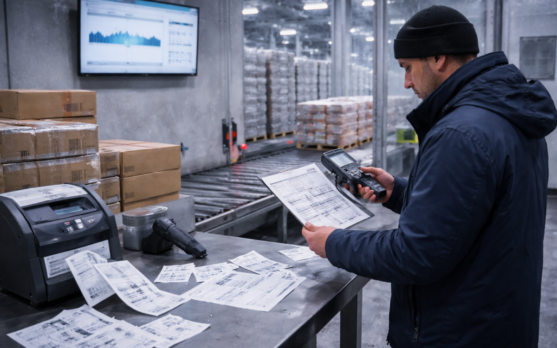
Factories that understand this will start asking different questions. How many minutes does this system add to allergen changeover? Where can Listeria persist if the drain plan is wrong? What happens when a gasket fails? How much cleaning depends on one experienced person? Can the system produce records that an auditor, customer or internal QA team can trust? Can the same line run more SKUs without pretending sanitation time is free?
The answer will not always be a robot. Sometimes it will be a better belt. A simpler frame. A redesigned cover. A hygienic pump. A clearer SOP. A mobile cleaning skid. A chemical-resistant sensor. A training module from the OEM that the night crew can actually use. Automation, in sanitation, may arrive in pieces. That does not make it less important.
The food factory has automated the work that moves product forward. Now it has to automate more of the work that allows product to start again. That is a less glamorous frontier, but a more honest one.