The most expensive part of a frozen snack may not be the protein, the filling or the coating. It may be the little pouch the shopper almost ignores until the last minute, the one warmed under tap water, torn open over a bowl of crispy chicken, squeezed beside dumplings or drizzled over fries after the air fryer has done its work. In global frozen food, that small packet is starting to carry a surprising amount of value: texture protection, cultural signal, restaurant memory, portion control and the quiet promise that the product is finished at home, not merely reheated.
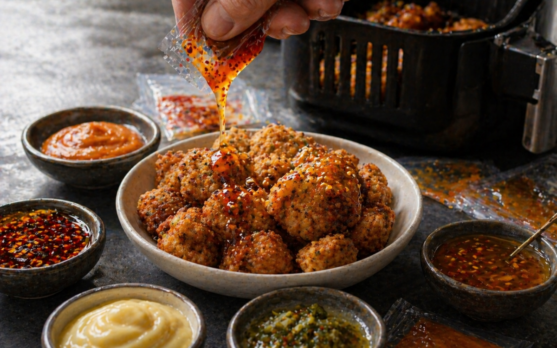
The final step is moving out of the factory
Frozen food used to be judged mostly by what came out of the tray. Now, in a growing number of snacks, sides, bowls and globally inspired products, the eating experience is split into stages. The factory makes the base. The consumer finishes it.
That shift sounds simple until you look at what it changes. A breaded chicken bite can stay crisp. A dumpling can be dipped instead of drowned. Fries can be cooked dry, then given heat, acidity, sweetness or cream at the table. Rice bowls can carry a separate sauce instead of letting every grain absorb moisture in the freezer. The pouch becomes part of the cooking instruction, not just a small extra in the carton.
It also gives manufacturers a way to sell more than convenience. A sauce packet tells the shopper there is a last act. Toss, dip, drizzle, shake, pour. None of these actions is hard, but each makes the product feel less passive. That matters in a freezer aisle where many products still look too processed, too finished, too anonymous.
Conagra's latest frozen work puts takeout-style frozen foods at more than USD 14 billion in annual U.S. sales. That is the right context for this article. The sauce pouch is one of the devices helping frozen food borrow from delivery, QSR, street food and restaurant leftovers without asking the shopper to cook from scratch.
Crisp first, sauce later
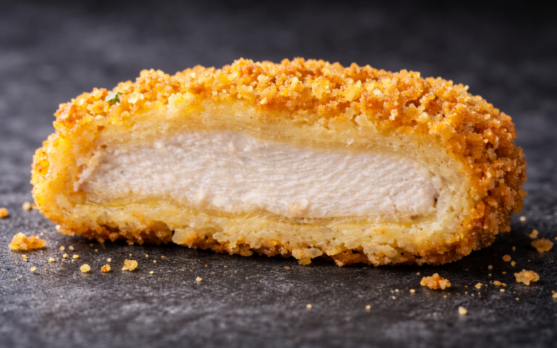
The logic is clearest in coated products. Anyone who has worked around frozen snacks knows the problem. Moisture is the enemy of the crunch that sells the item on the front of the pack. Put sauce too close to breading, batter or fried starch and the promise starts to collapse. It may look good in photography. It does not always survive transport, freezer storage and a distracted household reheating routine.
Separate sauce is a practical answer. It keeps wet and dry apart until the last moment. It lets the air fryer, oven or pan do its work before sugar, acid, oil and starches start pulling against the coating. That is not a small technical detail. In many global frozen formats, texture is the product.
Bibigo's Korean-style crunchy chicken is a useful example because the instructions show the architecture plainly. The sauce pouch is removed and warmed separately. The chicken is cooked in the air fryer. Only after the pieces stand briefly does the shopper pour the thawed sauce over the top and toss lightly. That sequence is the product. If the sauce were already on the chicken, the eating experience would be different.
Factories understand this before marketers do. The coating system, sauce viscosity, pouch size, seal integrity and reheating instructions are tied together. Too thin and the sauce disappears. Too thick and it sits on the surface like paste. Too sweet and it burns if the shopper misuses it. Too little and the pack feels mean. Too much and the crust is punished.
Sauce is becoming the cultural cue
Global frozen food often enters mainstream retail through a compromise. The base product is kept familiar enough to lower resistance, while the finish carries the stronger identity. Chicken bites can become Korean-style through a gochujang-led glaze. Fries can move toward street corn through crema, chili and lime. Dumplings can be made more specific by chili crisp, black vinegar style dip or soy-sesame sauce. A bowl can travel further with a separate curry, peanut, sambal or yuzu-style dressing than with the same sauce absorbed into rice during freezing.
There is a danger here. Sauce can become costume. A vague "Asian-style" dip or "global spicy" glaze does not make a weak product credible. Specialist shoppers notice when a sauce has been flattened for safety, stripped of heat, thinned to save cost or named more boldly than it tastes. Mainstream shoppers may not know the reference point, but they know disappointment when the final bite feels cheap.
The better use of sauce is more disciplined. It does not need to perform authenticity theatre. It needs to finish the food properly. Acid for fried products. Heat where the base is fatty. Herb or dairy notes where spice needs control. Gloss on chicken. A sharper dip for dumplings. A creamy component for potato or vegetable snacks. The pouch should answer the food, not just decorate the claim.
This is where the difference between a flavor idea and a product system becomes visible. A sauce-led SKU can be extended across a range, but only if the base can carry it. One chicken platform can support sweet-spicy, garlic-parmesan, hot honey or Korean barbecue style finishes. One potato platform can support street-corn crema, peri-peri dip or loaded-style sauces. The commercial temptation is obvious. The quality risk is just as obvious.
The buyer will look past the tasting spoon
In a buyer meeting, the first taste may be generous. Warm product, correct timing, sauce at the right temperature, perfect toss. The second conversation is colder. How much does the pouch add to cost? Can the line insert it consistently? Does it create allergen complexity? What happens if the consumer microwaves the sauce instead of warming it? Will it leak? Will it freeze hard against the product? Can the film survive the cold chain? Does the shopper need scissors? How many complaints start with sauce on hands, sauce missing, sauce burst open?
These questions decide whether a clever concept becomes a national listing. A sauce pouch can lift price perception, but it also adds failure points. More components mean more quality checks, more supplier coordination, more packaging decisions and more chances for something small to damage the product's reputation.
There are alternatives. Frozen sauce pellets and IQF sauce drops are already used in ready meals and component-based products. They can deliver portioned sauce inside the meal without giving the shopper a separate sachet to handle. That route works better when the sauce is meant to melt into pasta, vegetables, protein or rice. The pouch works better when the finish needs drama, control or contrast at the end.
Neither system is automatically premium. The premium signal comes from fit. A separate dip beside dumplings feels natural. A pouch of glaze for crispy chicken makes sense. A tiny packet hidden in a large family meal can feel irritating. A sauce drop that melts cleanly into a ready meal can feel better than a sachet that asks for unnecessary effort.
Small packs bring a large sustainability shadow
The sauce packet economy also carries a packaging problem. Single-serve formats are growing, and pouches, sachets and cups fit modern portion-control habits very well. They reduce waste inside the meal, keep flavors separate and help brands build variety. They also add material, sorting difficulty and a visible reminder that convenience still has a physical cost.
That tension will become harder to ignore. Retailers are already more sensitive to packaging complexity. Consumers may tolerate a sauce pouch when it clearly improves the product. They are less forgiving when the extra plastic feels like a gimmick. A premium frozen snack with two or three finishing components must earn every piece of packaging in the box.
The industry will push toward better films, mono-material options, recyclable structures where feasible and cleaner portion systems. But the commercial test is simpler: does the extra component make the eating experience noticeably better? If not, the pouch becomes evidence against the product.
The margin is in the last gesture
The most interesting part of this economy is psychological. Consumers are not making sauce from scratch. They are not cooking in any serious sense. Yet the act of finishing the product creates ownership. A frozen product that asks for one intelligent gesture can feel more satisfying than one that arrives fully decided.
That is particularly useful for global frozen snacks and street-food formats. A shopper may not know the full culinary history of a bao, a gyoza, a Korean fried chicken glaze or a street-corn style dip. But the product can teach a simple ritual. Steam and dip. Air fry and toss. Bake and drizzle. Pan crisp and sauce. Repeat purchase often starts there, in a small movement that makes the product feel alive.
The pouch will not save bad frozen food. It may even expose it faster. But when the base is engineered properly and the finish has a reason to exist, that small component changes the value equation. It gives the manufacturer more range flexibility, gives the retailer a stronger premium story and gives the shopper a product that feels closer to takeout without the delivery bill.