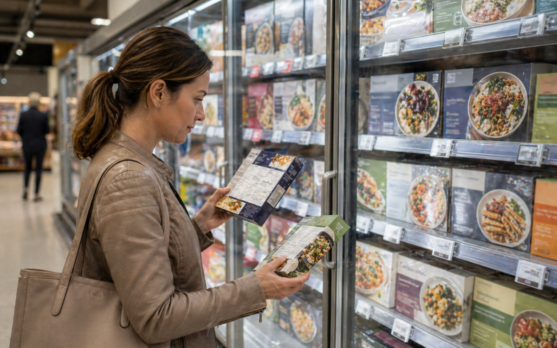
Bamboo arrives in packaging meetings with a rare advantage: people already want to like it. It grows fast, sounds renewable, looks natural and fits neatly into the search for alternatives to plastic. That makes it attractive to brands under pressure from retailers, regulators and consumers. The freezer, however, is less sentimental. A frozen meal tray, a bakery pack or a vegetable format does not care whether the fibre grew quickly. It cares whether the pack survives moisture, sealing, stacking, cold-chain abuse, food-contact scrutiny and a disposal route that is not just a slogan printed on the sleeve.
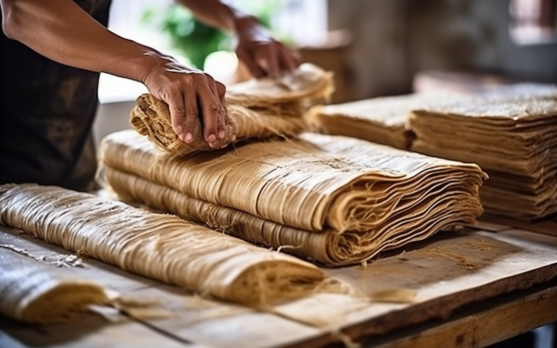
The freezer aisle is not a bamboo brochure
Bamboo packaging has been sold too often as a comforting story. A fast-growing plant replaces fossil plastic. A natural-looking tray gives the product a softer environmental image. A brand moves from black plastic or foam toward something that feels closer to paper, pulp and compost. In a category where plastic guilt has become part of the shopping experience, the appeal is obvious.
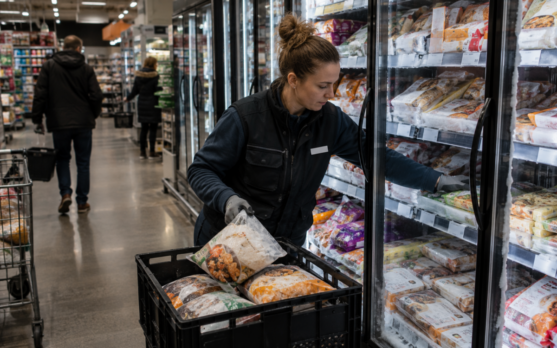
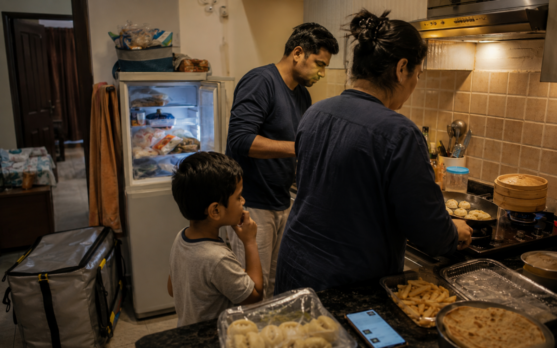
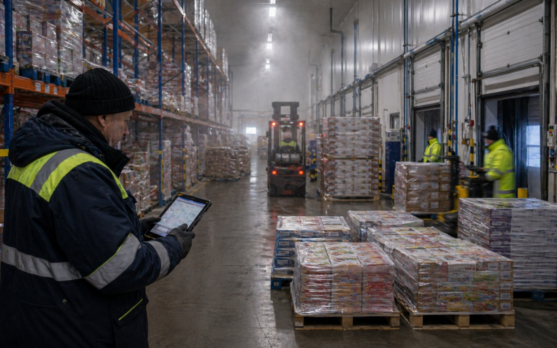
Frozen food makes that story harder to tell honestly. The pack does not sit on a dry shelf waiting to be admired. It moves through cold stores, loading bays, retail back rooms and freezer cabinets. It meets frost, condensation, scuffed cartons, wet gloves, temperature swings and impatient handling. At home, it may be crushed into a freezer drawer beside open peas, ice cream and loose ice. A material that performs well in a takeaway bowl or foodservice plate has not automatically earned a place around frozen food.
Bamboo can still matter. It is a serious non-wood fibre with a place in pulp, paperboard and molded fibre development. The more useful question is where it adds value inside engineered fibre packaging, not whether bamboo itself is a green hero. Frozen food is a technical market. It gives little credit for origin stories that do not protect the product.
Fibre is only the beginning
A bamboo-based pack is not made functional by the word bamboo. It becomes functional through pulping, forming, drying, pressing, sizing, coating, lidding and testing. That is the part often missing from cheerful packaging claims.
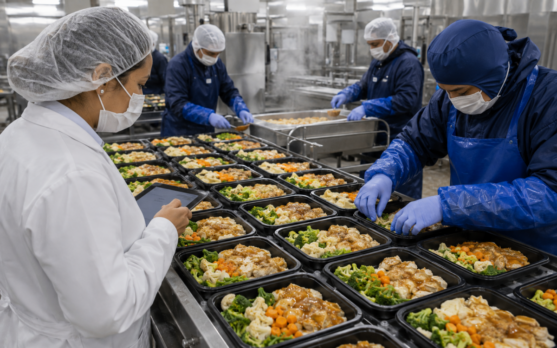
Molded fibre and paperboard structures can be strong. Bamboo fibres can be part of that strength, especially in blends with other fibres. But frozen food asks for more than stiffness. The pack may need moisture resistance, grease resistance, oxygen barrier, heat sealability, printability, rigidity at low temperature and compatibility with filling lines. A frozen ready meal tray also has to behave under heating instructions, whether microwave, oven or both. A bakery tray may face fat migration. A seafood or protein pack may need much stronger barrier control than a simple fibre structure can deliver by itself.
That is where coatings enter the room. In practice, the performance of fibre-based food packaging often depends on the surface treatment. The tray or board may be fibre. The barrier may come from a coating, film, dispersion layer, polymer treatment or lidding system. The more demanding the frozen product, the more important that hidden layer becomes.
There is a trade-off that buyers should not ignore. The coating that helps a bamboo or fibre tray resist moisture can also complicate recycling or composting. The layer that allows sealing may make the pack less simple at end of life. The grease barrier that reassures a ready-meal manufacturer may raise questions about chemistry, certification or local infrastructure. A natural-looking pack can become technically messy very quickly.
The bamboo-composite warning still matters
The word bamboo also carries a regulatory shadow. In Europe, authorities have acted against plastic food-contact articles containing bamboo or similar plant-based additives. The issue was not a pure bamboo pulp tray. It was plastic foodware promoted as natural or eco-friendly because it contained bamboo powder or other plant fillers, while the plastic matrix and migration risks remained part of the product.
That distinction is critical. Bamboo fibre in paper or molded pulp is one conversation. Bamboo-filled plastic cups, plates or utensils are another. Frozen food manufacturers cannot afford to blur the two. A packaging buyer looking at a fibre tray should ask for the material composition, coating details, food-contact declarations, migration data and certifications. A buyer looking at a bamboo-plastic composite should be even more cautious.
The damage here is not only legal. It is reputational. Once a retailer or regulator has dealt with misleading “natural” food-contact claims, the patience for soft language disappears. Bamboo packaging suppliers entering the food industry need more than a green story. They need documentation good enough for quality assurance, legal teams and retail technical managers.
Where bamboo has a realistic frozen food role
The most believable path is not the flexible bag. A bamboo pulp or bamboo-blend structure is unlikely to replace high-speed flexible packs for frozen vegetables, potato products or seafood in any broad way. Those formats need low cost, seal reliability, moisture control, space efficiency and mechanical flexibility. A rigid or semi-rigid fibre format solves a different problem.
The better opportunity sits around trays, inserts, secondary formats and selected foodservice applications. Frozen ready meals are an obvious area to watch, especially where brands are already trying to move away from black plastic trays. Huhtamaki’s fibre-based ready meal tray work with Waitrose showed that retailers can move serious volumes out of difficult-to-recycle plastic when the format is engineered and trialled properly. That example was not bamboo-specific, but it is the right type of lesson. Fibre succeeds when it is designed as a packaging system, not when it leans on a plant name.
Stora Enso’s work in frozen and chilled food packaging points in the same direction. The interesting part is not simply that the pack is fibre-based. It is that the material is positioned around food safety, barrier performance, recyclability and applications such as ready meals, bakery, chilled and frozen foods. That is the language the frozen sector understands. Less romance, more specification.
Bamboo could fit into that world as one fibre source among several. It may support molded trays, paperboard structures, portion packs or protective elements where the product and shelf-life requirements are defined. It may be more attractive in regions with strong bamboo supply and mature fibre conversion capacity. It may work in blends rather than as a headline material.
It is harder to see bamboo becoming the main answer for long-life frozen retail packs with demanding moisture and oxygen needs. The industry has seen too many materials that looked sustainable in isolation but became fragile under cold-chain pressure.
Compostability can become a claims trap
Many bamboo and non-wood fibre packs are marketed through compostability. That can be valid in some applications. It can also become a trap if the claim is broader than the infrastructure. A pack that is technically compostable under certified conditions may still be sent to landfill if local collection is weak. A pack that works in industrial composting may not be appropriate for home composting. A coating that improves grease or moisture resistance may change the end-of-life answer.
Frozen food adds another complication. A retail frozen pack often combines tray, film, label, sleeve and sometimes absorbent or barrier components. If the consumer has to separate each part correctly, the sustainability claim begins to lose force. If the retailer cannot explain the disposal route clearly, the pack becomes another item in the long list of packaging that sounds better than it behaves.
The PFAS issue has also changed the tone around fibre food packaging. Grease and moisture resistance used to be the performance problem everyone wanted solved. Now the chemistry used to solve it attracts serious attention. Any bamboo-based frozen food format will need to be clear about barrier technology, not just fibre origin.
A quieter future for bamboo in frozen food
Over the next few years, bamboo will probably grow faster in foodservice, dry food, molded fibre and takeaway-style formats than in mainstream frozen retail. In frozen food, the more likely movement will be selective: trays for certain ready meals, frozen bakery applications, inserts, secondary packaging and controlled foodservice packs. The strongest suppliers will talk about freezer testing, coating transparency, food-contact data and recyclability before they talk about bamboo forests.
By the early 2030s, fibre-based packaging should have a larger role in frozen and chilled categories, but the fibres will be mixed, engineered and regional. Wood fibre, bagasse, bamboo, agricultural residues and paperboard technologies will compete and combine. The decision will not be made by which plant sounds best in a marketing line. It will be made by cost, scale, barrier performance, available converting capacity and what retailers can defend under packaging regulation.
Bamboo has a future if it accepts a less glamorous job. It can be a useful feedstock in a broader fibre packaging toolkit. It can help diversify raw material supply. It can support molded and paper-based formats where the technical design is right. It should not be sold as a shortcut around the hard work of frozen packaging development.
A pack that looks natural still has to take a beating. It has to sit in the cold, hold its shape, protect the food, pass the audit and leave behind a disposal route that the market can understand. That is a tougher story than “bamboo replaces plastic.” It is also the only story worth publishing now.