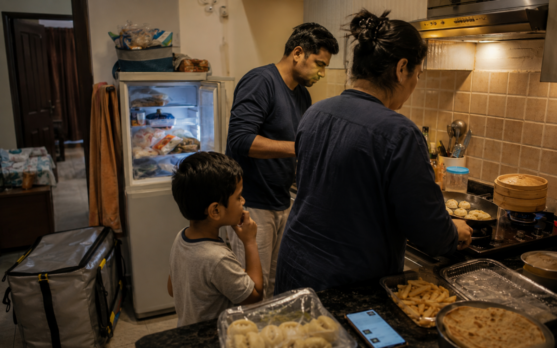
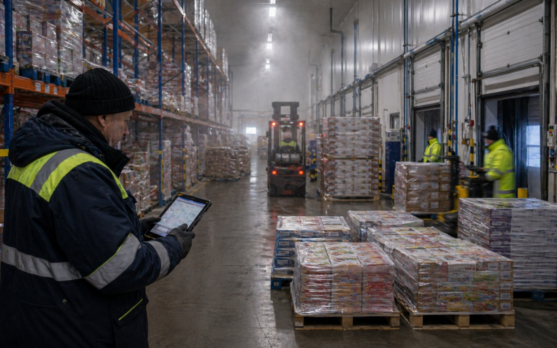
A frozen pizza in a Jakarta apartment, a bag of French fries moving through a Saudi foodservice depot, a pack of dumplings delivered from an Indian dark store in 12 minutes, a freezer cabinet in a secondary African city that finally holds temperature through the afternoon: these are not separate stories. They are the same commercial question, asked in different climates and income bands. Can urban growth make frozen food dependable enough, affordable enough and familiar enough to move from occasional purchase to weekly habit?

Urban growth is giving frozen food a new map
The old frozen food map was easy to read. North America and Europe had the freezers, the supermarkets, the logistics networks and the habits. Emerging markets had population growth, but not always the electricity, the distribution discipline or the household equipment to turn frozen products into a routine category.
That map is losing detail fast. The United Nations now counts cities as home to 45% of the world’s population, up from 20% in 1950, and projects that two-thirds of global population growth to 2050 will take place in cities. The more useful detail for frozen food is buried below the megacity headlines. Most cities are not Shanghai, Lagos, Jakarta or Mumbai. They are smaller urban centers, often under one million people, where modern retail, app-based grocery, foodservice distribution and cold storage are arriving unevenly, street by street and depot by depot.
That matters because frozen food does not simply follow people. It follows dense delivery routes, power reliability, freezer space, trust in temperature control and enough household pressure to make convenience worth paying for. A city can be large and still weak for frozen. A smaller city can become attractive once a retailer adds proper cabinets, a processor secures a regional distributor and a delivery platform learns how to move chilled and frozen orders without turning quality into a gamble.
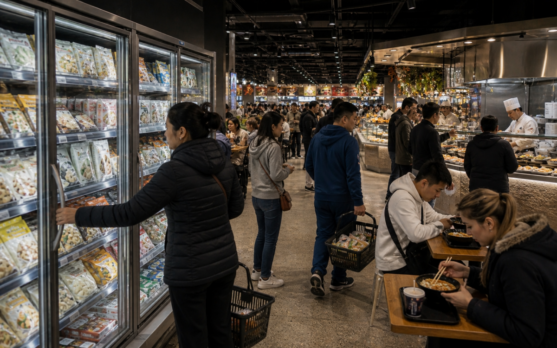
The more serious growth story is no longer “urban consumers are busy”. That line has been used so often it has lost its bite. The sharper observation is that urbanization compresses food routines. More meals are assembled, not cooked from scratch. Kitchens are smaller. Commutes are longer. Families shop in mixed patterns: a wet market visit, a supermarket top-up, a delivery app order, a foodservice meal on the way home. Frozen food begins to fit when it can solve one of those moments without asking the consumer to change everything else.
The freezer aisle is no longer the only point of entry
In developed markets, the freezer aisle trained the consumer. In many emerging markets, the app may do part of that work before the aisle ever becomes mature. India is the clearest signal. Quick commerce has turned the urban grocery order into something closer to impulse retail than weekly planning, and dark stores are starting to behave like small, hidden freezer aisles spread across dense neighborhoods.
That changes the economics of trial. A consumer who might not buy a large frozen pack during a planned supermarket trip may add a small ready-to-cook snack, paratha, dumpling, fries, dessert or frozen vegetable pack to an app basket because the risk feels lower. The product arrives quickly. The portion is manageable. The price point can be tested. The brand does not need to win a full freezer stocking decision at once.
For manufacturers, this is attractive but unforgiving. App commerce exposes weak packaging, temperature abuse and poor product photography very quickly. A freezer-burned product in a supermarket cabinet is bad enough. A thawed or icy product delivered to a premium urban customer becomes a service complaint, a platform penalty and a brand problem in the same hour.
The same pressure is visible in Southeast Asia, where urban density, convenience stores, supermarkets and delivery platforms are developing alongside a cold-chain logistics market that is still being built out. Frozen food growth there will not come only from more imported Western products. It will come from local snacks, seafood formats, meat products, frozen bakery, ready-to-cook meal components and foodservice packs designed around urban routines.
Cold chain is becoming the gatekeeper
There is a simple test for any emerging frozen market: follow the temperature, not the population chart. Population can suggest demand. Temperature control decides whether that demand can be served repeatedly without destroying margin and trust.
FAO’s estimate that hundreds of millions of tonnes of food are lost or wasted because of insufficient refrigeration gives this subject a harder edge. Cold chain is not only a commercial tool for premium frozen products. It is part of food security, waste reduction and urban resilience. That does not make every cold-store investment automatically profitable. It does make the infrastructure gap impossible to ignore.
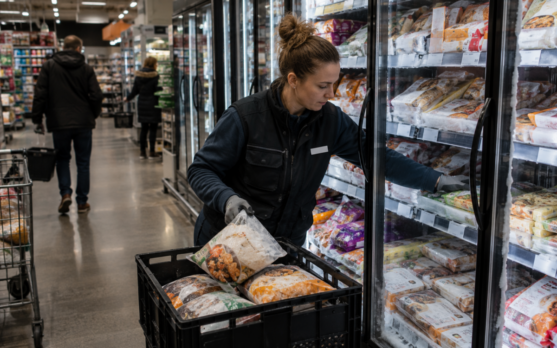
In practice, the constraint shows up in ordinary places. A small supermarket turns off cabinets at night to save power. A distributor mixes chilled and frozen loads because route economics are thin. A store employee overfills a cabinet above the load line. A delivery rider waits outside an apartment block while a frozen order warms in traffic. A port delay turns imported product into a margin argument before it even reaches retail.
These details are not operational noise. They decide whether frozen food becomes trusted. In markets where consumers still prefer fresh because fresh is visible, frozen food must prove that the invisible part of the chain has been managed properly. That is a high bar in hot climates, weak-grid areas and markets where retail execution varies sharply between top-tier urban stores and ordinary neighborhood outlets.
Income changes the basket, not just the category
Urban income growth does not create one frozen food consumer. It creates several. A lower-middle-income household may buy frozen vegetables, fries or basic chicken products when price and portion control make sense. A dual-income professional household may buy snacks, bakery, dumplings, ready-to-cook products and small meal components. Foodservice operators may use frozen products for labor control, consistency and waste reduction long before retail consumers become heavy users.
That distinction is important. In many emerging markets, frozen food will not begin as a premium ready meal story. It may begin with foodservice fries, frozen poultry, affordable vegetables, dough products, local snacks and products that remove preparation steps without asking the shopper to abandon familiar food culture. The strongest products will often look local, not imported. They will respect the way people already eat.
Asia-Pacific shows how large the commercial runway can become when these pieces line up. The region’s frozen food market is now measured in tens of billions of dollars and is projected to keep growing through the end of the decade. Ready-to-cook formats are especially important because they sit between scratch cooking and full ready meals. They do not ask the consumer to outsource the meal completely. They take away the part of cooking that costs time, skill or consistency.
That is why Western category assumptions can mislead. A supermarket buyer in Manila, Mumbai or Ho Chi Minh City may not need a freezer full of European-style ready meals. They may need products that work in air fryers, small kitchens, shared households, religious diets, local seasoning expectations and price-sensitive baskets. The freezer must earn space against fresh, ambient, chilled and street food, not only against other frozen brands.
Regional growth will be uneven, and that is the point
Latin America is already highly urbanized, so the story there is less about first-time urban formation and more about retail modernization, private label, foodservice and middle-income convenience. Frozen bakery, fries, vegetables, pizza, ready meals and protein formats can all find room, but price pressure is never far away. Urban consumers may want convenience, but inflation teaches them to calculate.
The Middle East has another profile. Gulf markets have strong import systems, modern retail and foodservice demand, while parts of North Africa and the wider region face more mixed cold-chain conditions. Frozen food can be deeply practical in hot climates, especially where foodservice, hospitality and retail depend on stable supply. Yet the region cannot be read as one market. A premium freezer cabinet in Dubai and a price-sensitive urban outlet elsewhere are different commercial worlds.
Africa is the most difficult and possibly the most misunderstood part of the conversation. Its urban growth is real. The long-term demographic direction is clear. But a frozen food strategy that treats population growth as demand already captured will disappoint. Electricity costs, cabinet availability, retail fragmentation, port infrastructure, currency pressure and household purchasing power will decide the pace. Growth may appear first in corridors: port city to capital, capital to secondary city, foodservice depot to modern retail cluster.
That corridor logic may become one of the defining patterns of emerging-market frozen food. Companies will not win countries in a neat sequence. They will win routes, districts, store formats and foodservice relationships. A processor that understands that will think less like a mass marketer and more like a temperature-controlled network builder.
The energy bill is part of the product
Every freezer cabinet is also an energy decision. That sounds obvious until the electricity bill rises, the grid strains during heat waves, or a retailer starts comparing the margin from frozen products with the cost of keeping them stable. The International Energy Agency expects peak electricity demand to rise sharply by 2035, with cooling one of the major drivers. Frozen food growth sits directly inside that pressure.
This does not weaken the case for frozen food. It makes the case more demanding. Efficient cabinets, better refrigerants, solar-assisted cold rooms, insulated distribution, smarter defrost cycles and tighter inventory discipline will not be optional upgrades in many emerging markets. They will decide whether frozen food can scale without becoming too expensive to operate.
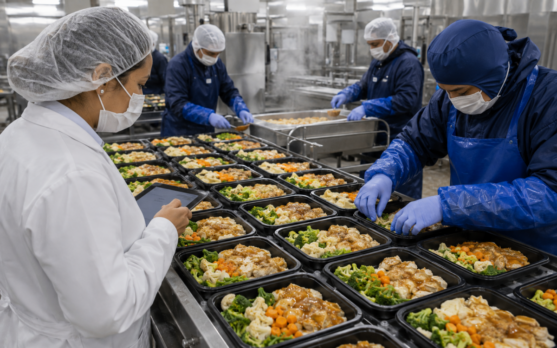
Manufacturers should pay attention here. A product designed only for the controlled conditions of a wealthy market may struggle in cities where the final 20 kilometers are rougher. Packaging must tolerate handling. Case sizes must match store rotation. Shelf-life assumptions must be realistic. Instructions must work for local appliances. The product has to survive the city as it exists, not the city imagined in a boardroom.
The commercial prize is habit, not novelty
Frozen food often enters emerging markets with a novelty problem. The first purchase may be driven by curiosity, promotion, a child’s request, an app discount or a foodservice experience. That is useful, but it is not enough. The serious prize is weekly repetition.
Repetition comes when the product fits ordinary life. A parent keeps frozen vegetables because they reduce waste. A small restaurant uses frozen fries because labor is tight and consistency matters. A bakery chain relies on frozen dough to expand outlets without rebuilding production from scratch. A household buys frozen snacks before a weekend because guests may arrive. A delivery platform learns that frozen products increase basket value if failure rates stay low.
That is the point at which urbanization becomes commercially visible. Not in a demographic chart, but in the freezer door opening again. The city has created the pressure. The cold chain has carried the product. The retailer or app has made it accessible. The household has decided it deserves a place in the routine.