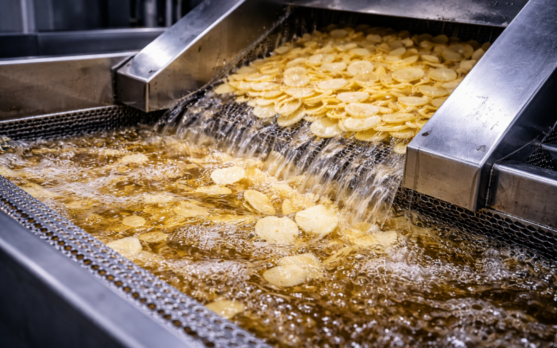
Sweet potato fries have always had an easier story than regular fries: brighter colour, a better-for-you glow, a premium feel on the plate, a freezer bag that looks different from the wall of standard potato products. The harder truth sits inside the factory and the kitchen. Sweet potato is not just a nicer-looking raw material. It is more fragile to position, less forgiving in the fryer, more exposed to supply swings and still judged by the same brutal standard as every other fry: does it come out crisp, hot, consistent and worth the extra price?
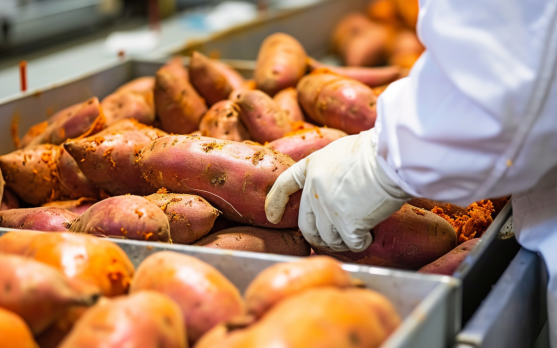
The orange fry sells a promise regular fries cannot sell
In a supermarket freezer, sweet potato fries do something useful before the shopper reads a word. They break the colour pattern. They look warmer, more premium, a little more deliberate. They let a retailer offer variety without asking the consumer to learn a new food. That is a rare advantage in frozen sides.
Foodservice sees the same appeal. A burger plate with sweet potato fries looks upgraded. A casual dining menu can charge more for the switch. A vegan or plant-forward offer feels less plain. A limited-time menu gains a side that looks different enough to photograph and familiar enough to order without hesitation.
That is the commercial beauty of the category. Sweet potato fries borrow the comfort of French fries while selling a different signal. They feel more colourful, more modern, more vegetable-led. The shopper may call them healthier. The operator may call them premium. The processor has to deal with what they really are: a product with a strong story and a more complicated manufacturing profile.
Sugar, colour and texture do not behave politely
A sweet potato fry is not a French fry with a costume change. The raw material carries different sugars, different texture, different moisture behaviour and a different relationship with heat. In processing, that matters quickly.
The colour that helps the product sell also makes it harder to control. Orange is attractive until it becomes too dark. A fry that moves from golden to over-browned can look tired before it leaves the oven tray. In chips and thinner snack formats, the window is even narrower. The slice is thin, the surface reacts fast and the product has little room to hide.
Texture is another fight. Consumers want the sweetness and colour, but they still expect crispness. Sweet potato can drift softer than regular potato, especially in home ovens or overloaded air fryer baskets. That is why coatings matter. So do cut size, pre-treatment, drying, frying profile and freezing discipline. Without that engineering, the product risks becoming a promise that collapses on the plate.
Food scientists have been looking closely at reducing sugars, asparagine, acrylamide formation and colour in sweet potato products. The industry does not need to turn every bag into a laboratory lesson, but the manufacturing lesson is clear enough. Heat does not treat all orange flesh the same way. Variety, dry matter, sugar content and process settings can change the finished product in ways the shopper notices, even if they cannot name the cause.
Retail is the strongest stage for the category
The retail freezer gives sweet potato fries their best audience. The shopper is already looking for convenience. The air fryer has done half the selling. A product that once had to fight the deep-frying image can now be positioned around quick cooking, crisp edges and a slightly more interesting side dish.
That explains why brands and private label lines lean into oven and air fryer instructions. McCain, Ore-Ida and other frozen potato suppliers have all used the language of crispness, ease and real sweet potato appeal. The pack does not need to over-explain the health angle. It needs to make the shopper believe the product will cook properly at home.
Private label has room here, but it has to be careful. A basic sweet potato fry that disappoints on crispness damages the category more than a weak regular fry. The consumer paid, or expected to pay, a small premium. Poor texture feels like betrayal. Short pieces and dark ends look worse in a bright orange product. The shelf can make sweet potato fries feel special. The eating experience decides whether they stay in the basket.
Retailers also have an opportunity beyond straight-cut fries: crinkle cuts, wedges, spicy coated formats, mixed root vegetable fries, bites and sharing products. The trick is not to turn every idea into a health claim. Most consumers are still buying frozen comfort. They just want it to feel a little smarter.
Foodservice wants variety without kitchen drama
In foodservice, sweet potato fries often sit in a useful but awkward place. They are valuable as an upgrade, a menu variation, a premium side or a limited-time offer. They are less likely to replace standard fries as the everyday workhorse. Cost, supply, hold time and kitchen performance all get in the way.
An operator does not judge the product by its story during a Saturday rush. The questions are blunt. Does it break in the bag? Does it hold heat? Does it stay crisp after a few minutes? Does it darken too quickly? Does it work in delivery? Can staff cook it without babysitting the fryer?
Lamb Weston’s foodservice sweet potato products show the kind of practical language operators care about: thicker cuts, better hold time, less breakage, coatings designed for crispness. That is the foodservice reality. The menu may sell colour and indulgence. The kitchen buys performance.
There is room for growth in burger concepts, casual dining, hotel foodservice, vegetarian menus and premium quick-service offers. The product works best when it is treated as a deliberate side, not a cheap substitute. Once it is forced into the price logic of standard fries, the category loses part of what makes it useful.
The supply story is tighter than the marketing story
Sweet potato supply looks broad from a distance. The crop is grown in many regions, and global production is substantial. Processing supply is a narrower matter. Frozen fries need roots that can deliver size, colour, dry matter, predictable sweetness and factory yield. Not every sweet potato is a processing sweet potato.
North Carolina is still central to the U.S. story, producing a large share of the country’s sweet potatoes and supporting both fresh and processing markets. That concentration gives the industry scale, but it also creates exposure. Weather, storage pressure and a shorter crop can tighten supply quickly. When fresh demand, export demand and processing demand all pull on the same base, the processor does not always get the easiest hand.
That is where sweet potato differs from the industrial potato business. Regular frozen fries sit on decades of work around processing varieties, contract farming, storage and plant specifications. Sweet potato processing has made progress, but it does not have the same deep, global industrial infrastructure. In some markets, the category is still built more around marketing pull than raw material certainty.
Processors that want to scale the product need more than a nice recipe. They need grower relationships, variety work, storage discipline and clear specifications. They need to understand which roots fry well, which hold colour, which create too much waste and which become soft after freezing and reheating. The product looks simple only after the hard work has been hidden.
Root-vegetable snacks will grow, but selectively
Sweet potato chips, root vegetable crisps, mixed vegetable fries and snack formats all sit near the same opportunity. Consumers want colour and variety. Retailers want premium-looking frozen and snack products. Foodservice wants sides that can make a plate look less ordinary.
Still, the category should not be inflated into a replacement story. Regular fries are too large, too cheap, too familiar and too operationally reliable to be displaced by sweet potato. The better reading is more selective. Sweet potato and root vegetable products will grow where they add value: premium retail sides, air fryer formats, casual dining upgrades, plant-forward plates, snack shelves and seasonal menu features.
There will also be failures. Some products will carry too much price. Some will cook poorly. Some will depend on claims that consumers no longer believe. The winners in this corner of frozen food will not be the brands shouting loudest about health. They will be the ones that solve the quiet problems: texture, colour, supply, cooking instructions, portion cost and repeat purchase.
Sweet potato fries have earned their place because they give frozen food a rare combination: comfort with colour, indulgence with a better image, familiarity with a little theatre. That is enough to keep the category relevant. It is not enough to make it easy.