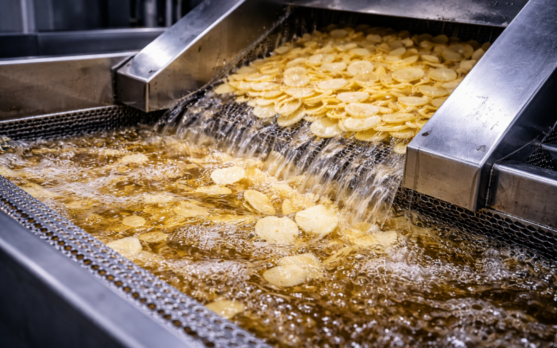
The first warning often appears in a small fryer, not in a field. A sample batch goes in, the timer runs, the strips come out too dark, and suddenly a truckload of potatoes that looked acceptable on paper starts to look expensive. The factory can adjust blanching, blend lots, trim defects, recondition storage potatoes and argue with suppliers, but every correction has a cost. Potato breeding used to feel far away from the frozen line. Now it is moving straight into the processing conversation, because climate pressure is making the raw material less predictable and buyers are asking for fries that behave the same way in January, June and the next bad growing season.
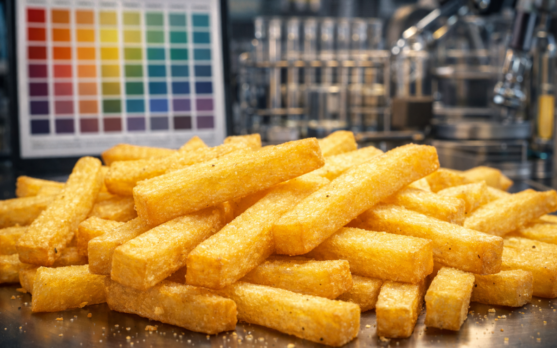
The factory wants a potato that behaves
A processor does not buy romance from the field. It buys behaviour. The tuber has to cut cleanly, hold enough dry matter, avoid bruising, store without turning sugary, fry to the right colour, freeze well, travel, reheat and still look acceptable when a QSR crew or foodservice kitchen is under pressure.
That is a hard brief. It is also getting harder.
Frozen potato plants have become very good at correcting raw material variation. Optical sorters remove defects. Process controls manage blanching and frying. Coatings help texture. Freezing lines protect structure. Yet a factory can only correct so much before yield, waste, colour, oil use and customer confidence start to suffer. A poor lot does not simply reduce efficiency. It drags the whole day into defensive mode.
In the old language of potatoes, a good variety delivered yield, size and disease resistance. In processing, the demand is narrower and less forgiving. The perfect fry is not the largest potato or the prettiest field crop. It is a raw material that keeps its promise after harvest, after storage, after cutting, after heat, after freezing and after a buyer has compared it with the last approved sample.
Fry colour is a commercial signal
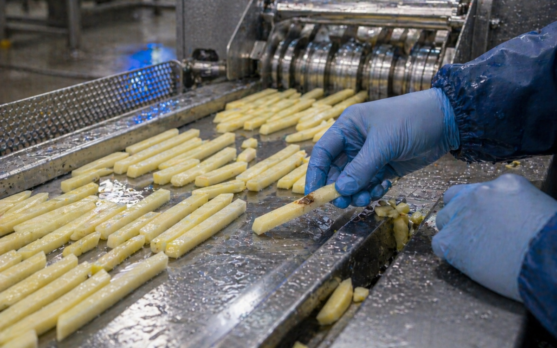
Fry colour can look like a cosmetic detail until a buyer rejects a shipment. In practice, it is a record of genetics, season, storage and process control. Too many reducing sugars in the tuber, and the strip darkens during frying. Darker colour can also sit uncomfortably close to the acrylamide conversation, especially in markets where processors already manage mitigation measures and benchmark levels.
The problem is that sugars do not behave politely. A crop that looks strong at harvest can change in storage. A variety that works in one region may become more difficult under a hotter or drier season. A plant manager can see the issue long before the consumer does: more variation in test fries, more blending, more line adjustment, more downgraded material.
For QSR and foodservice customers, colour is not an internal factory nuisance. It is brand consistency. A fry that appears pale one month and too dark the next breaks the quiet promise behind a standardised menu. In retail, the pressure is different but just as real. A bag of frozen fries has to deliver repeatable cooking performance for people who will not read the agronomy note behind the crop year.
Cold storage is where genetics meets margin
The cold store has always been part of the potato business. For processors, it is also a stress chamber. Potatoes need storage to extend the processing season, manage supply and keep factories running. Yet low-temperature storage can trigger cold-induced sweetening, the accumulation of reducing sugars that makes fry colour harder to control.
That is one reason breeding matters more than it used to. A variety that resists cold-induced sweetening gives the factory more room to work. It can help reduce dark fry risk, lower waste, widen the processing window and make long storage less punitive. When storage behaviour is poor, the factory pays repeatedly: in rejected loads, extra handling, reconditioning, lower usable yield and more pressure on quality assurance.
The issue is not limited to sugar. Bruising matters because black spots become trim, waste or customer complaints. Dormancy matters because sprouting changes storage management. Dry matter matters because it affects texture, yield and oil uptake. Size profile matters because length still matters in fries, however much the industry pretends the consumer is flexible.
The plant does not need a miracle potato. It needs fewer surprises.
Climate pressure is changing the breeding brief
Heat, drought, heavy rain and uneven seasons do not only threaten yield. They threaten predictability. A difficult season can still deliver tonnes, but the tonnes may carry more variation: tuber size spread, defects, maturity issues, storage weakness, sugar instability and stress-related quality problems that arrive at the factory gate weeks or months later.
That is the part of climate risk that processing companies feel first. A spreadsheet may show available supply. The fryer shows whether that supply is useful.
Recent research has put numbers behind the wider pressure on potato production, including temperature thresholds where yield starts to fall and forecasts of losses under future climate scenarios. Those findings matter. But the processing sector should pay equal attention to the quieter quality effects. A raw material stream with unstable solids, variable sugars and higher defect pressure can damage margin before a shortage becomes visible in the market.
Growers will adapt with irrigation, storage changes, crop protection, agronomy and planting decisions. Breeders will be asked for more. Heat tolerance, drought resilience and disease resistance still matter, but the processing brief adds another demand: keep the industrial behaviour stable under stress. That is a tougher target than simply keeping the plant alive.
DNA and data are moving into procurement
Potato breeding has never been quick. The crop’s complex genetics have made variety development slower and more awkward than in many other crops. That is why genomic tools, molecular markers, stress tests, high-throughput phenotyping and data models are becoming more valuable. They give breeders a better chance to identify weak candidates before years have been lost.
Commercial breeders are already talking in that language. HZPC has described climate-robust varieties coming from investments in stress tests, molecular markers and data models. Solynta’s hybrid true potato seed work points to a different route, one that could change the speed and logistics of variety development if adoption broadens. Simplot’s Innate work shows another path, using biotechnology to target processing problems such as reducing sugars, bruising, disease pressure and acrylamide-related precursors.
None of this removes the factory test. A data model cannot eat a fry. A molecular marker cannot tell a buyer how a product performs in a busy kitchen after frozen storage. The line still has the final vote.
What changes is the stage at which bad candidates can be rejected and promising ones pushed harder. Breeding data gives processors and seed companies a shared language around traits that used to be discovered painfully late. The buying specification starts to look like a breeding brief: fry colour after storage, solids, dormancy, sugar profile, bruise resistance, disease package, regional fit and stability across seasons.
There will not be one perfect fry
The phrase “perfect fry” is useful, but slightly misleading. The market will not get one universal variety that solves every factory problem. A QSR fry, a coated fry, a retail oven fry, a hash brown, a crisping potato and a potato specialty all ask for different behaviour. A variety suited to early processing may not be the best long-storage candidate. A climate-resilient potato for one region may disappoint somewhere else.
The more realistic future is portfolio breeding. Processors will need approved varieties for specific windows, regions and products. Seed supply will become more strategic. Storage trials will sit closer to procurement. Buyers may not ask for the genetics directly, but they will ask for what the genetics should deliver: consistency, lower waste, stable colour and fewer claims.
That has a commercial edge. Processors with better access to suitable varieties will have a quieter factory. They will waste less raw material, adjust less often, and defend customer specs with more confidence. Those without that access will keep trying to repair variation with process control. Some correction is normal. Too much correction becomes a business model nobody wants to admit.
The raw material is becoming strategic
Frozen potato processing has spent years investing in better lines, better freezers, better sorters and better logistics. Those investments still matter. But more of the competitive argument is moving upstream. The factory that controls the potato before it reaches the gate controls more of the factory than the one that only upgrades equipment after the problem arrives.
That does not mean processors must become breeders. It does mean they need deeper relationships with breeders, seed companies, growers, agronomists and storage specialists. It means quality teams need to speak earlier in the variety conversation. It means sustainability teams should understand that waste reduction begins before the first wash water touches the crop.
In the next few years, the best potato processors will not treat breeding as background science. They will treat it as supply-chain insurance. A stable fry is not born in the fryer. The fryer only reveals how well the field, the storage shed, the breeder and the factory understood each other.