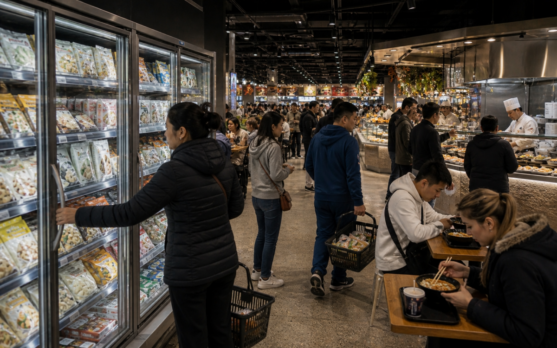
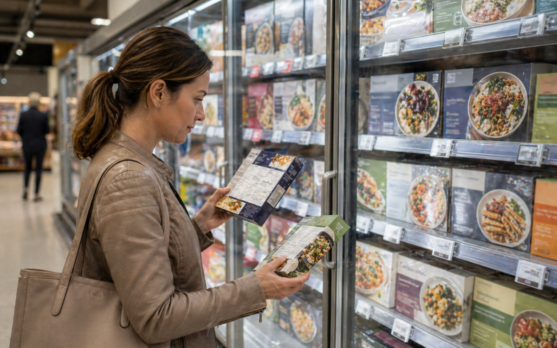
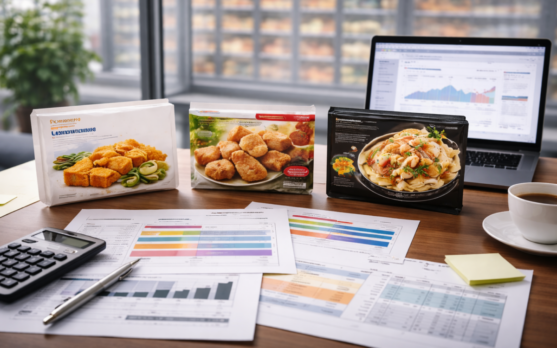
The important signal from Sprouts is not that gnocchi or pancake bites suddenly became health food. It is that retailers are testing how far protein can travel into small frozen comfort formats before the claim starts to look bigger than the product.

Protein is moving into smaller spaces
The high-protein frozen aisle used to be easy to picture. A bowl, a chicken entree, a breakfast scramble, maybe a pasta meal with the number pushed hard on the front of the pack. It was still recognizably a meal.
That boundary is getting softer. Protein is now being tested in snackable portions, breakfast bites, mini formats, filled pasta, small pizzas, handhelds and products that sit somewhere between lunch, snack and controlled indulgence. Some are genuinely built around protein. Others borrow the protein mood of the moment without quite carrying the nutritional weight.
That is what makes Sprouts a useful case study. Not because one retailer has solved the category, and certainly not because every small frozen item at Sprouts should be treated as high-protein. The useful signal is more subtle. A specialty retailer with a health shopper is using small, familiar formats to test how protein, convenience and comfort can live together in the freezer.
That matters because shoppers do not always want another disciplined bowl. Sometimes they want a bite, a shortcut breakfast, a side that can become a meal, or a snack that feels less empty. The freezer is becoming a test kitchen for those in-between occasions.
Sprouts is not selling protein in one aisle
Sprouts is an interesting retailer for this because protein fits its wider store logic. The chain talks to shoppers who already read labels, shop for dietary attributes and expect discovery. Its own-brand program is also large enough to matter. This is not a niche grocer putting one novelty item in a door and hoping for a social post.
What Sprouts has been doing across the store is more useful than any single SKU. It presents protein as a daily convenience tool: snacks, meals, drinks, breakfast options, grab-and-go items and specialty products. That approach matches the broader retail shift. Protein is no longer trapped in sports nutrition. It has become a navigation cue.
Frozen plays a particular role inside that cue. It lets retailers test formats that feel indulgent or familiar while adding a more functional layer. Filled gnocchi, breakfast bites and small comfort items do not ask the shopper to behave like a bodybuilder. They ask whether a familiar product can be made more useful.
That is the commercial tension. Protein works best in these formats when it improves the eating occasion. It fails when it is added as a badge to a product that still behaves like ordinary starch, sugar or cheese-led comfort food.
The gnocchi question is really a meal question
Sprouts’ frozen filled gnocchi range is a good example of how easily a small product can drift between categories. It can be a side. It can become a quick dinner. It can sit beside a protein on the plate. It can also be treated as a small meal if the portion, filling and sauce do enough work.
That flexibility is valuable in the freezer aisle. A shopper can buy gnocchi without entering the diet-food frame. The product feels like food first. Health cues have to come second and stay believable.
The risk is that protein language can make a comfort format sound more complete than it is. A cheese-filled gnocchi may show a meaningful protein number on a nutrition panel, especially compared with plain potato gnocchi, but that does not automatically make it a high-protein meal. Retailers and brands need to look at the full plate: protein per serving, calories, saturated fat, sodium, fiber, sauce pairing, portion size and whether the product is used as a side or a main.
That distinction may sound small, but it is the difference between useful positioning and claim inflation. A product can be protein-relevant without becoming the center of a high-protein strategy.
Pancake bites show the danger of the halo
Breakfast bites are even trickier. They are convenient, freezer-friendly and easy to understand. They fit school mornings, office snacks and small appetite occasions. They also live very close to sweet snack territory.
That makes protein language more delicate. Some pancake-style frozen bites on the market carry only modest protein. They may still be perfectly legitimate products. They may taste good, solve a morning convenience problem and sell well. But modest protein should not be dressed as a high-protein architecture.
This is where a retailer’s credibility is tested. A shopper who wants protein has learned to scan grams, not just headlines. If the front-of-pack mood says fitness, satiety or health, while the nutrition panel says small snack with a little protein, the product starts to feel over-positioned.
The smarter role for pancake bites may be convenience plus portion, not protein leadership. A breakfast bite can be part of a healthier routine if sugar is controlled, the portion is clear and the product is not pretending to do more than it does. That is a more modest story. It is also a more trustworthy one.
Small format does not mean small stakes
For manufacturers, small formats can be harder than they look. A bite has less room to hide imbalance. Texture has to survive freezing and reheating. Fillings need to hold. Batter, dough or crumb systems must behave on line. Sweetness, salt and fat show up quickly because the eating experience is concentrated.
Protein adds another layer. Dairy protein, egg, legumes, pea, wheat protein, chickpea or cheese-based systems all behave differently. They can affect texture, cost, browning, moisture and bite. Add vegetables or alternative flours and the formula becomes even less forgiving.
That is why the phrase “protein snack” can be misleading. A frozen protein snack is not just a small product with a protein source. It has to work as food after cold storage, transport, home freezer time and a rushed cooking step. If it comes out rubbery, dry, pasty or too sweet, the protein number will not save it.
Retailers should be especially careful in this space because small products encourage trial. They are easy to buy once. Repeat purchase is the harder part. A buyer may see a neat solution for breakfast, kids, GLP-1-era smaller appetites or active snacking. The consumer sees whether the product was worth reaching for again.
The private-label pressure is coming fast
Sprouts is not alone. Kroger’s Simple Truth Protein line showed how quickly a major retailer can turn protein into a broad private-label platform, with meals, snacks and other everyday products sitting under one protein-led banner. That move matters because it changes the competitive field.
National brands can no longer assume they own health innovation in frozen. Retailers have shopper data, shelf control, app filters, private-label economics and the ability to connect frozen products with storewide protein language. If a retailer can put protein into breakfast sticks, bowls, snacks, pasta, coffee or frozen meals, the freezer becomes part of a much larger protein ecosystem.
For Sprouts, the opportunity is slightly different. Its shopper may be more open to discovery, alternative ingredients and premium small formats. That makes the retailer a good place to test where protein can stretch without breaking credibility.
But the same rule applies. Protein cannot become a decorative word. In small frozen formats, the claim has to be sized to the product. A bite is allowed to be a bite. A side is allowed to be a side. A small meal has to earn the word meal.
The freezer needs protein discipline, not protein theatre
The next phase of high-protein frozen will not happen only in large bowls and full entrees. It will move through small plates, snacks, breakfast formats, side dishes and comfort-adjacent products that can be eaten in more than one way.
That is good news for frozen. It gives the aisle more occasions. It gives retailers more ways to connect health, convenience and pleasure. It gives manufacturers room to create products that feel less like old diet food and more like everyday solutions.
It also creates a lot of room for exaggeration.
The products worth watching will be the ones that respect the occasion. A gnocchi that can become a satisfying small meal with the right sauce and protein context. A breakfast bite that does not pretend to be a complete nutrition platform. A snack that carries enough protein to matter for its role, not enough copy to confuse the shopper. A private-label frozen product that can pass both the app filter and the plate test.
Small formats may look light-hearted. They are not. They are where protein moves from meal strategy into habit.