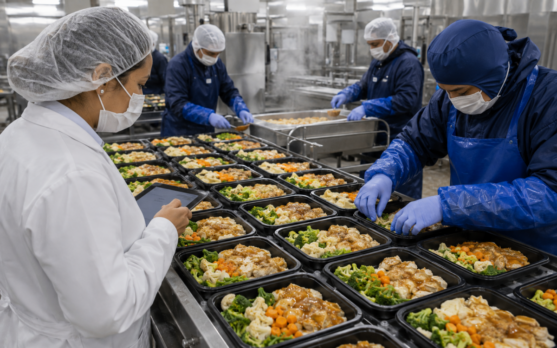
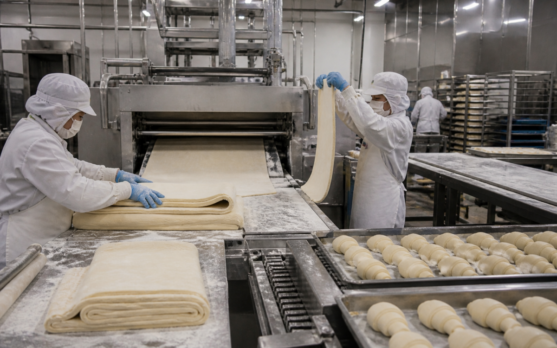
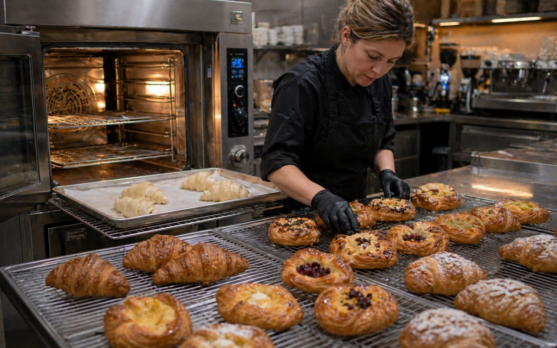
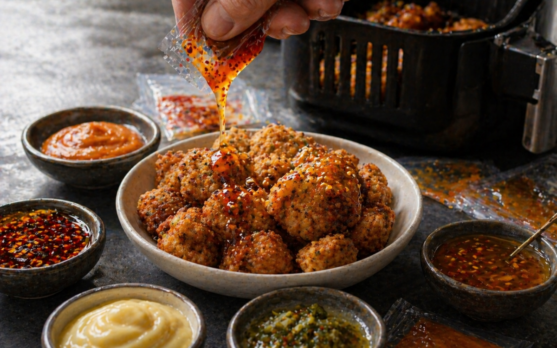
Gluten-free frozen food used to be allowed a little sympathy. The shopper expected compromise, the retailer gave it a narrow shelf, and the producer could hide behind the difficulty of replacing wheat. That patience is fading. A gluten-free pizza crust, croissant, dumpling or breaded snack now has to do the harder thing: eat like a normal frozen product while carrying a claim that leaves no room for casual manufacturing.
Variety is no longer the interesting part
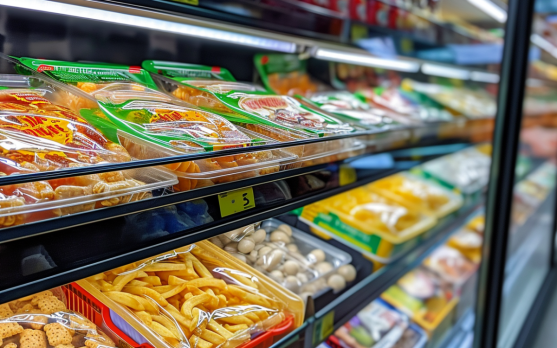
The gluten-free freezer has become much more crowded. Pizza crusts, frozen croissants, waffles, breaded chicken, dumplings, mozzarella sticks, breakfast items, pasta meals and bakery bases now sit in spaces once dominated by a few dry breads and cautious specialty products. That expansion matters, but counting more SKUs misses the sharper story.
The useful question is no longer whether gluten-free frozen food can offer variety. It can. The pressure is whether it can offer trust and texture at the same time.
For retailers, gluten-free has moved beyond a small free-from shelf with loyal shoppers. It now touches mainstream frozen bakery, prepared meals, snacks and foodservice-style comfort food. Feel Good Foods built a broad frozen platform around certified gluten-free comfort products, from dumplings and egg rolls to mozzarella sticks and breakfast items. Banza pushed chickpea-based frozen pizza into national retail. Caulipower made cauliflower crust familiar to freezer shoppers who may not think of themselves as medical-diet consumers. Schar's frozen croissants and foodservice pizza bases show how far the category has moved into formats that depend on structure, flake, crumb and reheating performance.
That is good news for category managers. It also raises the standard. Once gluten-free enters pizza night, lunchbox snacks and air-fryer appetizers, the product is no longer judged only against other gluten-free products. It is judged against the freezer aisle.
Gluten was doing more work than shoppers knew
Removing gluten from a frozen product is not just removing wheat from an ingredient list. Gluten builds elasticity, gas retention, chew, volume and handling tolerance. In bakery, it gives dough a network. In breading, wheat flour helps adhesion and structure. In pastries, it contributes to layers and bite. In dumpling wrappers and pizza crusts, it gives the product enough strength to survive production, freezing, packaging and reheating.
Replace it badly and the failure is physical. Pizza crust cracks at the edge. Bread rolls crumble. Croissants lose lift. Dumplings split. Coatings fall away from chicken pieces. A sauce-thickened meal may technically be gluten-free but still carries a flat, over-stabilized texture that tells the shopper something was missing.
The ingredient toolbox is now broader: rice flour, corn starch, potato starch, tapioca, chickpea, sorghum, buckwheat, psyllium, HPMC, xanthan, enzymes, fibers and proteins. None of them is magic. Each brings its own water behavior, flavor, color, cost and line implications. A formula that works in a bench test may struggle when scaled through a frozen bakery line or a high-speed appetizer operation.
That is why the strongest gluten-free products are rarely simple substitutions. They are rebuilt systems. The producer is not asking, "What replaces wheat?" The better question inside the development kitchen is: what replaces the job wheat was doing here?
Frozen bakery is the toughest proving ground
Frozen bakery exposes gluten-free weaknesses quickly. Crumb structure, moisture retention and reheating behavior decide whether the product feels legitimate or merely permissible. A frozen gluten-free croissant has to create some version of flake and tenderness. A pizza base must hold sauce, toppings and heat without becoming brittle or gummy. A roll must not turn dry at the crust and sticky in the center after warming.
The freeze step makes everything less forgiving. Water migrates. Ice crystals damage fragile structures. Starch retrogradation changes bite. A dough or baked base may leave the factory in good shape and still disappoint after storage and consumer reheating.
Research around gluten-free bread and hydrocolloids shows why developers lean on ingredients such as HPMC, xanthan and psyllium. They help manage viscosity, elasticity, gas retention and crumb quality. In frozen products, that work has to be paired with freezing tolerance and shelf-life performance. A good gluten-free dough is not automatically a good frozen gluten-free dough.
The commercial issue is blunt. Frozen bakery shoppers do not want a lecture on hydrocolloids. They want a croissant that flakes, a pizza that bends without cracking and a waffle that does not eat like compressed starch. Retailers want those results without a price that makes the product a once-a-month curiosity.
Coatings and sauces carry hidden gluten risk
Gluten-free frozen food is often discussed through bakery, but the risk runs through coated and prepared products as well. Breaded chicken, seafood bites, vegetable snacks, stuffed appetizers, dumplings and coated cheese products all depend on systems where wheat has been a reliable, cheap and functional tool.
A gluten-free coating has to attach, color, crisp and survive the freezer. Rice flour may help crispness but can feel hard or dry. Corn and potato starch can bring snap, but may lack the same adhesion. Chickpea and other pulse flours can improve nutrition language, but they bring flavor and hydration challenges. Add air-fryer expectations and the margin narrows further. The shopper expects crunch, not a free-from apology.
Sauces create another layer of difficulty. Frozen meals use seasoning blends, stock bases, flavor systems, hydrolyzed ingredients and thickeners that can complicate gluten control. Gluten-free cannot be checked only at the visible starch component. It has to be managed across the recipe, supplier documents and manufacturing flow.
There is also a sensory trap. A producer can make a product gluten-free and technically safe, yet still deliver a meal that feels over-thickened, pasty or under-seasoned because the formulation team was busy solving risk. In prepared frozen meals, safety and eating quality have to travel together. One cannot rescue the other at shelf.
Cross-contact is where the claim becomes a system
For shoppers with celiac disease, gluten-free is not a lifestyle cue. It is a safety requirement. That changes the manufacturing conversation.
In the United States, foods labeled gluten-free must meet the 20 ppm threshold. In the European Union, "gluten-free" also sits at no more than 20 mg/kg, while "very low gluten" applies under specific conditions up to 100 mg/kg. Those numbers are simple to quote. They are harder to protect in a factory that also handles wheat-based products.
Cross-contact control is the part of gluten-free that retailers should take most seriously. It touches ingredient intake, storage segregation, dust control, production scheduling, validated cleaning, testing plans, supplier assurance, packaging line discipline and staff training. A frozen plant can be clean and professional and still be poorly designed for gluten-free if flour dust, shared equipment or weak changeover procedures are not controlled.
The 2024 Feel Good Foods recall of gluten-free cream cheese stuffed mini bagels due to potential undeclared gluten showed how quickly trust can be damaged. The products were sold in the frozen section, and the recall followed a consumer report of an adverse reaction. That kind of event travels further than a routine quality complaint because it strikes at the core promise of the category.
For retailers, the lesson is uncomfortable but necessary. A gluten-free claim is not just a marketing attribute. It is a chain of custody, cleaning, testing and documentation that must survive the normal messiness of frozen manufacturing.
Retailers need to buy performance, not reassurance
The freezer aisle now needs a more practical gluten-free buying discipline. Certification matters. So do specifications, factory capability and complaint history. But the product still has to work in a home kitchen.
A buyer should cut the pizza after reheating and look at the edge. Warm the roll and check whether the crumb turns sandy. Cook the dumpling and see if the wrapper splits. Put the breaded snack through an air fryer and check coating loss in the basket. Hold the product for a few minutes before tasting, because families do not eat everything at the perfect laboratory second.
Then the tougher questions begin. Is the line dedicated or shared? How is gluten cross-contact controlled? What testing is performed, and where? How are seasoning blends, sauces and inclusions verified? Can the producer maintain the same result across lots, not just first shipment? What happens if the product is made during peak capacity, when the plant is under pressure?
Short term, gluten-free frozen will keep expanding into snacks, bakery, pizza and prepared meals. Medium term, weak products will be pushed out by higher texture expectations and tighter retailer scrutiny. Longer term, the category will become less about being free from wheat and more about rebuilding the eating experience so the shopper stops feeling managed around a compromise.
That is the hard prize. Gluten-free frozen food does not need more sympathy. It needs products strong enough to sit beside conventional frozen food and still deserve the repeat purchase.