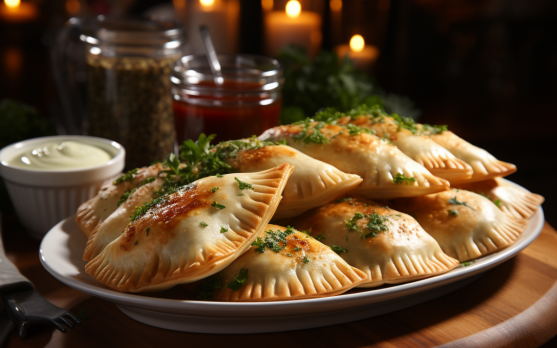
An empanada does not need much explaining on shelf. That is part of its strength. It is closed, portable, portioned, filled, easy to heat and familiar enough to cross from Hispanic retail into the mainstream freezer without losing its identity entirely. But the format is also unforgiving. If the pastry steams soft, if the filling is mean, if the sauce is missing, if the air fryer turns the edges into cardboard, the product quickly stops being Latin comfort food and becomes just another frozen pocket with a better story.
The hand-held meal is the real opportunity
Frozen empanadas should not be treated as party food alone. That is too small a box for the format. An empanada can be a snack, a lunch, a quick dinner, a late-night freezer item, a game-day tray, a side with soup, or a meal for one. It can be sold in a three-count pack, a family bag, a mini party format, a premium bake-at-home box or a foodservice-to-retail line.
That elasticity is what makes the product interesting. The empanada sits somewhere between the dumpling, the mini pie, the burrito, the samosa and the filled pastry. It has enough structure to be held in the hand and enough filling to feel like more than a bite. It can live in Hispanic frozen food, appetizers, world foods, air-fryer snacks or premium frozen. Few products travel across those zones without needing a long explanation.
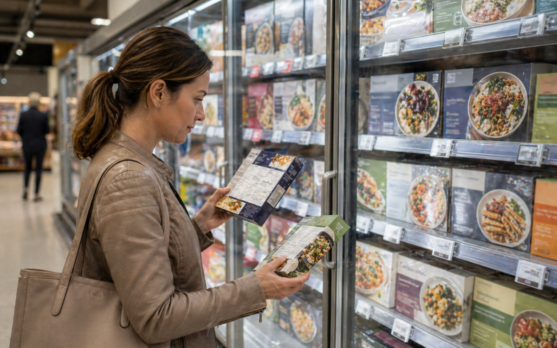
In the US, that matters. Hispanic consumers are not a niche audience, and empanadas already have cultural familiarity across several communities. But mainstream adoption is also visible. Goya’s frozen baked beef empanadas are listed in major retail as appetizers, party food and light meals. La Fe positions beef and chicken empanadas as quick meals or snacks. Trader Joe’s has taken the format into more exploratory territory with products such as ropa vieja and chimichurri-style empanadas. The format has already moved beyond the ethnic freezer door.
The stronger question now is not whether shoppers understand empanadas. Enough of them do. The question is which products earn repeat purchase once the first curiosity buy has passed.
Pastry decides the second purchase
The filling gets the headline. Beef, chicken, cheese, ropa vieja, black bean, spinach, sofrito, chimichurri, curry, plant-based. All of that matters. But in frozen empanadas, the pastry is often the real battleground.
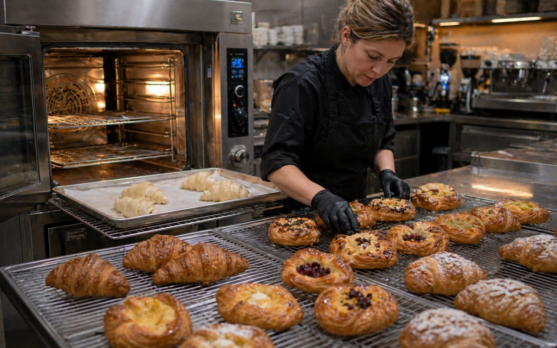
A good frozen empanada has to recover. It has been formed, filled, sealed, frozen, shipped, stored, then reheated by a consumer who may use an oven, an air fryer or, in some cases, a microwave. The crust has to brown, crisp or flake without splitting. It has to hold the filling without becoming leathery at the seam. It has to stay dry enough to feel baked or fried, but not so dry that the first bite breaks apart.
This is where the air fryer has raised the stakes. It gives empanadas a better route to texture than the microwave, but it also exposes weak dough. If the pastry dries before the filling heats, the format fails. If the filling leaks, the product looks cheap. If the crimped edge turns hard, the last bite is worse than the first.
Empanadas are not won by filling alone. They are won by pastry recovery.
The filling has to be generous, but controlled
The best frozen empanada filling has to do several jobs at once. It must signal identity, hold moisture, heat evenly, avoid leakage and feel generous in a small space. That is not easy.
Beef is the clearest mainstream anchor. It supports Argentine-style positioning, party formats and meal occasions. Chicken is more flexible, especially with sofrito, chimichurri, green chile, curry, tomato or cheese. Cheese and vegetable fillings help widen the audience. Black bean, plantain, mushroom, spinach, corn, peppers and plant-based proteins can all work, but only if the texture is strong enough to keep the product from feeling hollow.
The risk is visible as soon as the empanada is cut open. Too much pastry and not enough filling, and the product feels stingy. Too much wet filling, and the pastry collapses. Cheese can separate. Vegetables release water. Meat can dry. Spices can be reduced until the product becomes safe but forgettable.
Regional cues help, but they need restraint. Argentina, Colombia, Venezuela, Chile, Puerto Rico and other Latin American traditions give the format depth. Retail cannot capture all of that in one freezer box. It can, however, avoid flattening everything into “Latin-style meat pie”. A sharper product name, a better filling system and a clear sauce cue can do more than a decorative map on the pack.
Sauce is not an accessory
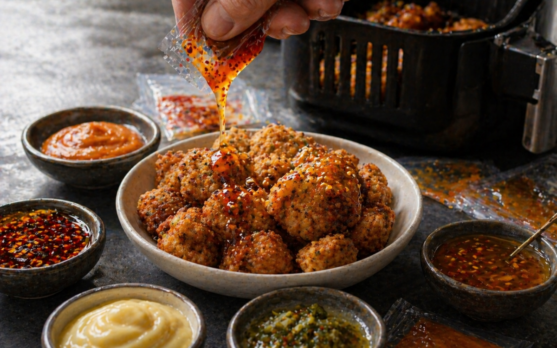
Empanadas are made for sauce. Chimichurri, ají, salsa verde, garlic sauce, spicy mayo, cilantro-lime sauce, queso, sofrito-style dip, even guava-chilli in the right product. The sauce changes the eating occasion. Without it, some empanadas feel dry or unfinished, especially in premium formats.
Retail has a choice. Include a dip and accept the cost, packaging complexity and risk. Build the sauce into the filling and risk softening the pastry. Leave sauce out and rely on a serving suggestion. None of these answers is perfect.
For value packs, the no-sauce route may make sense. For premium empanadas, especially foodservice-to-retail brands, sauce can be the difference between a frozen snack and a restaurant-at-home product. A chimichurri sachet can justify price. A bad sauce can do the opposite.
The product developer’s problem is practical. Sauce must be flavorful enough to matter, stable enough to pack, and easy enough for the consumer to use. A sauce that complicates the meal too much fights the format’s best quality: simplicity.
Hispanic freezer, mainstream freezer, premium freezer
Frozen empanadas do not have one retail path. They have at least three.
The first is the Hispanic freezer, where trust, familiarity, price and authenticity matter most. Here the shopper knows the format and may judge it against homemade, bakery, restaurant or family versions. A weak product will not be rescued by the word empanada.
The second is mainstream frozen snacks and appetizers. Here empanadas compete with pizza rolls, dumplings, taquitos, spring rolls, samosas, mini pies and chicken bites. The shopper may not know the regional detail, but they understand a filled pastry that goes into the air fryer. The pack has to make the job clear: snack, lunch, party, heat and eat.
The third is premium foodservice-to-retail. This is where the format becomes more interesting. A restaurant, food truck or chef-led brand can sell a better pastry, a more specific filling, a sharper sauce and a story rooted in real foodservice demand. Renee Touponce’s From Mom empanadas, launched from a chef and restaurant background in Connecticut and Rhode Island, point to that route. El Sur’s bake-at-home frozen empanadas in California show another version: local, handmade-style, freezer-ready and tied to the idea of keeping a real meal available at home.
These routes can coexist. The mistake is treating them as the same shelf problem.
Safety and labelling are part of the format
Empanadas are small, but they are operationally complicated. Multiple fillings, similar shapes, pastry lines, cheese, meat, chicken, vegetables, dessert versions, allergens, bilingual or multicultural packaging. The format invites variety, and variety invites control problems.
The public health alert around Bettergoods Chicken Curry Empanadas sold at Walmart is a reminder. The issue involved misbranding and an undeclared milk allergen after some packages labelled as chicken curry empanadas may have contained apple cinnamon empanadas. That is not only a recall story. It is a category warning. When a frozen hand-held platform expands into multiple fillings, line discipline and label control become commercial essentials.
Retailers like variety because it builds a range. Manufacturers need to make sure the line can handle that variety safely. One mistake can damage trust far beyond one SKU.
The format can grow, but not as a costume
Over the next few years, frozen empanadas should gain more space in air-fryer snacks, Hispanic frozen, meal-for-one formats and premium hand-held ranges. Beef, chicken and cheese will remain the base. Vegetarian, plant-based, breakfast and dessert versions will add range. Mini formats will work for parties. Larger empanadas will work for lunch and dinner.
Private label will probably move into simpler versions. That will put pressure on brands to defend their position with pastry quality, filling generosity, regional specificity, sauce, foodservice credibility or trusted Hispanic distribution.
The long-term opportunity is clear: empanadas can become for Latin frozen food what dumplings have become for Asian frozen food, a format understood beyond its original shopper base. But that only happens if the industry respects the mechanics of the product. Empanada is not a flavour. It is a structure.