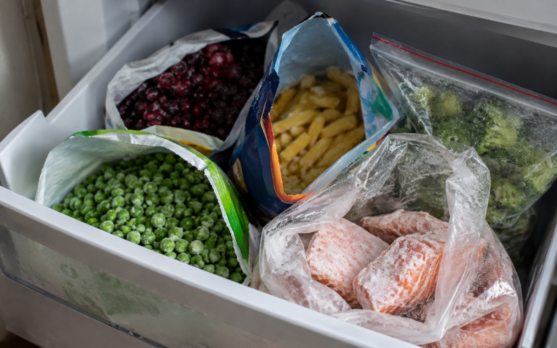
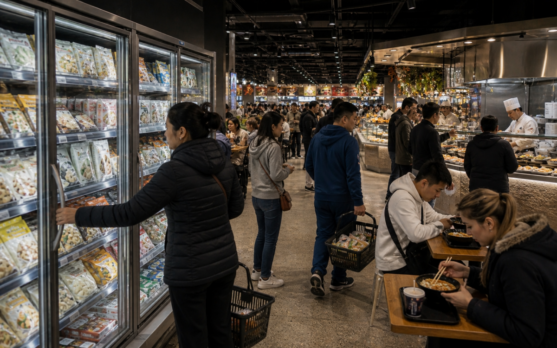
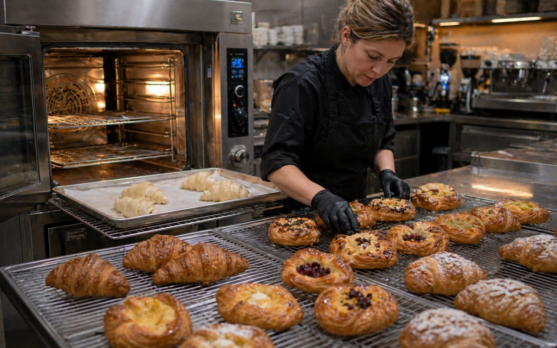
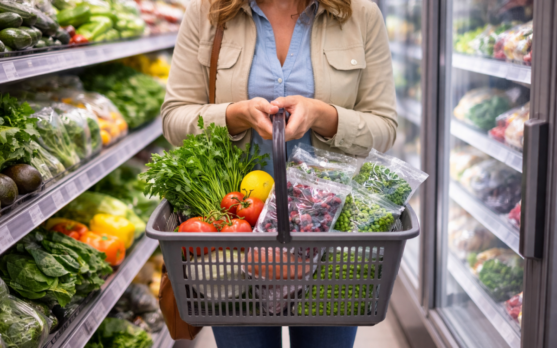
A bag of frozen mango can look like the simplest product in the freezer. In a factory trial, it becomes something else entirely. The buyer wants to know the cut size. The developer wants to know the Brix. The bakery team asks how much water it releases. The dessert team wants colour stability. The smoothie operator wants portion control and speed. Tropical fruit still sells through colour, sunshine and appetite, but in frozen food it is increasingly bought through specification.
The freezer made tropical fruit usable at scale
Frozen tropical fruit used to be treated as a colourful retail extra: mango chunks for smoothies, pineapple for dessert, a mixed tropical bag for shoppers who wanted something brighter than berries. That role has not disappeared. It is just no longer the most interesting part of the category.
The stronger story now sits behind the consumer pack. Mango, pineapple, passion fruit, dragon fruit, coconut, guava, papaya and jackfruit have become working ingredients across smoothies, bowls, sorbets, fruit bars, bakery fillings, yogurt swirls, sauces, beverage bases and foodservice drinks. The same fruit can move through the market as IQF dice, puree tablets, smoothie pouches, bulk cartons, retail bags or pre-portioned blends.
That matters because tropical fruit is no longer only a seasonal mood or an exotic note. In frozen manufacturing, it is a controlled input. It gives colour, acidity, sweetness, body and premium cues to products that need to taste the same in March and September.
The freezer does not make mango exotic. It makes mango available, measurable and repeatable.
Smoothies built the habit
Smoothies gave frozen tropical fruit its easiest route into the kitchen. Frozen pieces bring cold body, reduce waste and remove prep. Mango and pineapple do the heavy lifting. Banana rounds the texture. Dragon fruit adds colour. Passion fruit cuts through sweetness. Coconut softens the edges.
Retail has moved from loose fruit toward more designed formats. Ready-to-blend kits tell the shopper what to do before the bag is opened: add liquid, blend, serve. That sounds basic, but it changes the category. The brand is no longer selling fruit alone. It is selling a breakfast shortcut, a snack occasion, a bowl base, sometimes a mild wellness signal.
Foodservice has made the same calculation with less romance. Cafes, hotels, juice bars and QSR operators want tropical fruit without daily trimming, ripeness variation or fresh waste. Frozen smoothie packs and IQF pieces let them build a mango drink, a pitaya bowl or a pineapple blend with labour under control.
The risk is sameness. Mango, pineapple and banana can become a yellow base that tastes pleasant and forgettable. Tropical blends need sharper design now: acidity from passion fruit or lime, colour from dragon fruit, depth from coconut, a clear reason for guava or papaya beyond the word tropical.
Desserts need more than colour
Tropical fruit works hard in frozen desserts because it can suggest indulgence and freshness at the same time. Mango can feel rich. Pineapple feels bright and familiar. Passion fruit brings tension. Coconut can carry dairy-free or creamy positioning. Guava and dragon fruit give the product a more distinctive face on shelf.
That makes the category attractive for sorbets, fruit bars, gelato-style swirls, frozen yogurt, dairy-free cups, smoothie bowls and portioned treats. Tropical fruit can make a dessert feel lighter without asking the consumer to give up pleasure. It can also help a product look premium before the first spoonful.
Still, dessert is not kind to weak fruit. A flat mango puree does not become vibrant because it is frozen into a cup. Dragon fruit may deliver a striking visual and a milder taste than the pack suggests. Pineapple can turn harsh if acidity is not balanced. Passion fruit can become a headline ingredient used too cautiously because of cost.
That is the difference between tropical positioning and tropical performance. One sells the first unit. The other earns the second.
Bakery, sauces and dairy ask different questions
The same frozen mango that works in a smoothie may be wrong for a pastry filling. A smoothie can forgive variation because the blender hides much of it. A muffin, cheesecake, Danish, mousse, yogurt preparation or frozen dessert swirl cannot.
Bakery teams care about drip, fibre, piece size and heat stability. Dairy and non-dairy teams care about colour migration, flavour release and water activity. Sauce and coulis developers care about puree strength, acidity and consistency. Beverage manufacturers want dosing, speed and clean flavour. A cocktail or mocktail base needs a different tropical fruit format from a sorbet base.
This is where IQF pieces, puree tablets and portioned packs become more than a logistics choice. They define how the fruit behaves in the final product. Mango for bakery is not the same as mango for a smoothie. Passion fruit for beverages is not the same as passion fruit for a frozen dessert inclusion. Pineapple for yogurt needs a different brief from pineapple for a tropical retail blend.
Good suppliers know the application before they quote the fruit.
Procurement buys what marketing cannot see
Tropical fruit has one of the most cheerful front-of-pack jobs in frozen food. Its supply chain is less cheerful. Weather, harvest timing, maturity, port logistics, processing capacity and cold-chain handling all sit behind the colour on the bag.
For manufacturers, buying tropical fruit means looking past the name. Variety matters. Maturity matters. Brix, acidity, fibre, cube size, puree strength, colour stability, pathogen control, residue compliance, organic availability and pack format all matter. A tropical fruit specification that is too loose can turn a promising product into a production problem.
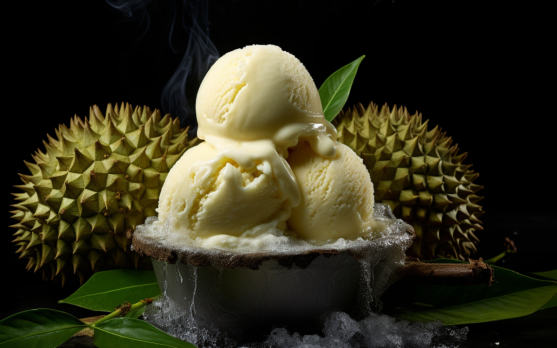
Jackfruit and durian show the limits of the old exotic-fruit framing. Both are interesting. Both have cultural weight. Both can work in specialist frozen formats. Neither should define the wider tropical fruit opportunity. Durian carries aroma and acceptance barriers. Jackfruit has value in savoury and plant-based applications, but it needs careful texture and flavour control.
The broader platform is more practical: mango, pineapple, passion fruit, dragon fruit, coconut, guava and papaya, bought in the right format for the right job.
The basic tropical bag will get cheaper
Private label has an obvious path into frozen tropical fruit. Mango chunks, pineapple pieces and tropical blends are easy for shoppers to compare. The product is visible, the use case is familiar, and price pressure will be strong. In many freezer aisles, the basic tropical bag will behave more like a commodity with a bright colour palette.
Brands need to move away from that middle. Pre-portioned smoothie packs, organic pitaya, high-quality passion fruit formats, coconut-based smoothie blends, application-specific fruit mixes and premium dessert-ready ingredients give more room to defend price. The same logic applies to foodservice: reliability, technical support and format choice matter more than a pretty fruit list.
The category’s next stage will be less about exotic naming and more about job-specific ingredients. Fruit for blending. Fruit for baking. Fruit for sorbet. Fruit for dairy. Fruit for cocktails. Fruit for toppings.
That sounds less romantic than “taste of the tropics”. It is also how the category becomes useful.