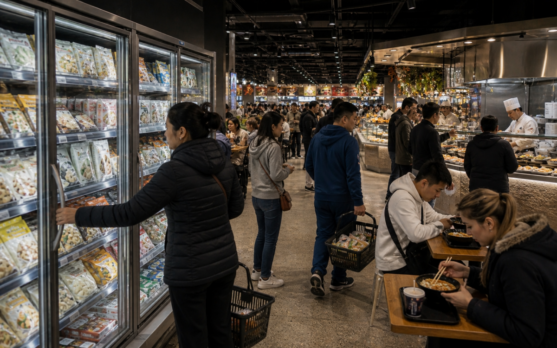
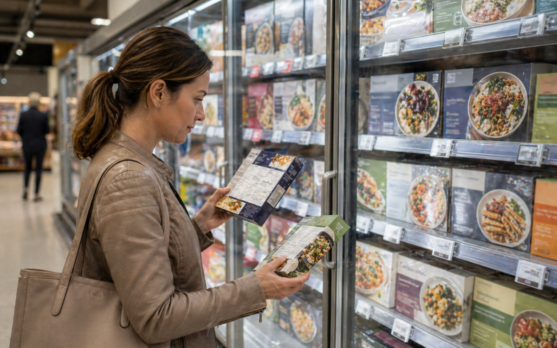
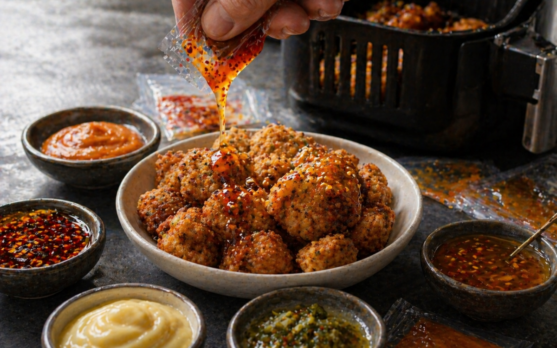
The useful place to watch the African spice story is not the spice rack. It is a frozen chicken line, a sauce trial in a development kitchen, a QSR buyer tasting three versions of a peri-peri glaze, or a private-label meeting where someone asks whether berbere is still too unfamiliar for a family meal. African flavor is moving into frozen food through practical doors: sauces, rubs, marinades, rice bowls, sides, snacks and limited-time foodservice offers that can carry heat, smoke and depth without asking the shopper to learn a whole cuisine at once.

The spice boom is leaving the jar
African spice blends have spent years being described as “emerging” by trend reports. That word is starting to wear thin. Harissa is already familiar in many retail and foodservice markets. Peri-peri has crossed into mainstream chicken, fries and sauces. Berbere, suya, dukkah, ras el hanout and jollof-inspired profiles are no longer locked inside specialist stores or diaspora restaurants.
The more interesting shift is industrial. These flavors are being translated into formats that frozen food knows how to sell.
A shopper who does not know what to do with a jar of suya spice may still buy suya-style chicken skewers. A consumer who would not cook berbere from scratch may accept a frozen lentil and sweet potato bowl. A retailer that will not risk a full West African range may test jollof-inspired rice, peri-peri potato wedges, harissa vegetables or a North African-style tagine in a small premium run.
That is where frozen matters. It reduces the work of trial. It gives the consumer a finished idea, not just an ingredient. It allows developers to control heat level, texture, sauce load, portion size and cooking instructions. In the freezer, flavor becomes less abstract. It either works after heating, or it does not.
The global seasonings and spices market is projected to grow steadily through 2031, and sauces, dressings and condiments represent an even larger field. Those numbers help explain why suppliers care. But the value for frozen food is more specific: African spice profiles give processors another way to make familiar platforms feel new without rebuilding the entire product architecture.
Sauce is the easiest bridge
For frozen meals, QSR and private label, sauce is often the safest carrier of regional identity. It can sit in a sachet, a pouch, a glaze, a marinade, a dip or a cooking sauce. It can be dosed. It can be adjusted for heat. It can be separated from the main component until reheating. It can give an ordinary chicken portion, potato side or vegetable mix a stronger reason to exist.
Harissa is the cleanest example. It brings heat, garlic, chilli and North African familiarity without feeling too obscure for mainstream buyers. It can work with chicken, chickpeas, vegetables, meatballs, pizza-style toppings, pasta-adjacent frozen meals and dipping sauces.
Peri-peri is even easier to read in foodservice. The consumer already understands it through chicken, fries, wings, wraps and fast-casual menus. For frozen potato processors and QSR suppliers, peri-peri is less a culinary leap than a seasoning system with proven heat and color.
Berbere has a different role. It is warmer, deeper, less obvious. It fits lentils, vegetables, stews, chicken, plant-based bowls and premium ready meals. It needs better handling because too much heat or bitterness can flatten a frozen dish after reheating. Used well, it gives a product a cooked-in character that many “world flavor” lines lack.
Suya is attractive for grilled formats: skewers, strips, bites, plant-based pieces, loaded fries, maybe even frozen street-food kits. It also brings a labeling issue if the profile uses peanut or nutty notes. That does not make it unsuitable. It means developers have to treat it like a real industrial product, not a mood board.
Frozen can make unfamiliar food less risky
The frozen aisle has always been good at packaging reassurance. A product may be new, but the format is known. A bowl. A side. A pizza. A skewer. A sauce-coated protein. A vegetable mix. A meal kit.
That matters for African cuisine because many consumers outside African communities are still learning the reference points. Jollof, egusi, yassa, waakye, berbere stews, suya and dukkah may carry strong culinary meaning, but they need translation for mass retail. Translation is not the same as dilution. It is the work of making a product understandable in eight seconds through a freezer door.
AYO Foods in the United States is a useful signal. The brand took West African flavors into frozen and boxed retail, growing from 50 stores to more than 4,000 locations in less than two years, including major retailers. That does not prove every African-inspired frozen concept will scale. It does prove the freezer can carry a cuisine story when the product is clear enough for the channel.
The important lesson is not “West African food is now mainstream.” That would be too easy. The lesson is that frozen can give regional food a structured entry point: a named dish, a heating method, a portion, a sauce, a pack, a retail price. It lowers the amount of culinary knowledge required before the first purchase.
For manufacturers, the challenge is to keep enough character. A jollof-inspired rice bowl that tastes like generic tomato rice with chilli will not build a category. A berbere stew without depth becomes another spicy vegetable meal. African flavor platforms need respect for balance: heat, acidity, smoke, sweetness, fat, texture, and the way spices behave after freezing and reheating.
QSR will test the bolder profiles first
QSR is a practical testing ground because it can use flavor without changing the whole supply chain. The protein may be the same. The fries may be the same. The bread may be the same. The newness arrives through the rub, glaze, dip, mayo, sauce or seasoning dust.
That is why African spice profiles fit limited-time offers. A peri-peri fries LTO. A harissa chicken wrap. Suya-style tenders. Berbere plant-based bites. Dukkah-coated vegetable sides. A jollof rice base for a bowl. The operator can test appetite without rebuilding the back of house.
Frozen suppliers should pay attention here. QSR does not buy romance. It buys repeatability. A seasoning must perform across batches. A sauce must behave after thawing and heating. A coated product must hold texture. A flavor profile must survive speed, staff turnover and the pressure of service.
If QSR accepts a profile, retail often follows more easily. Consumers meet the flavor in a prepared context first. Later, the frozen aisle can offer a home version: the same heat language, the same sauce family, the same idea in a pack.
Private label needs flavor with discipline
Private label is another likely route, especially in premium frozen. Retailers want differentiation, but they also want control. African spice platforms can help if they are applied with restraint.
A range does not need ten African products. It may need one good harissa chicken meal, one peri-peri potato side, one berbere lentil bowl and one jollof-inspired rice dish. Enough to signal discovery. Not enough to confuse the cabinet.
The language on pack will matter. “African-inspired” is too vague if the product has no clear flavor center. “Authentic” is risky if the recipe has been softened beyond recognition. “West African-style,” “North African-style,” “suya-spiced,” “berbere-seasoned” or “jollof-inspired” may be more honest, depending on the product.
There is also a food manufacturing point that often gets missed. Spices can change during frozen storage and reheating. Chilli can become sharper. Garlic can dominate. Acid can make a sauce taste thinner after thawing. Starch, fat and water activity matter. A flavor that works in a restaurant pan may not survive a microwave tray.
Good development teams know this. They taste after abuse testing, not only after the first pilot run.
Supply consistency decides who captures the value
There is a difference between African flavor inspiration and African ingredient value capture. Many “African-inspired” products sold in Europe or North America may use blends manufactured outside Africa with ingredients sourced from several regions. That is not automatically wrong. It is how industrial seasoning often works.
But if African producers want to capture more value from the trend, consistency becomes the hard requirement. European buyers expect safety, purity, contaminant control, taste consistency and documentation. For frozen ready meals, sauces and QSR supply, variation is a problem. A romantic origin story does not help if the next shipment behaves differently.
Nigerian ginger shows the tension. Nigeria has been an important supplier of dried ginger to Europe, valued for pungency and oil content, but recent disease and production issues sharply reduced exports. That kind of disruption is exactly what large food manufacturers worry about. The flavor may be desirable. The supply must still hold.
Over the long term, the opportunity is larger than a few spice names on a pack. Better drying, cleaning, grinding, sterilization, blending, traceability and export compliance could allow African suppliers to move closer to the value-added end of the chain. Without that, Africa may shape the flavor language while others capture much of the industrial margin.
Frozen food is ready for more African flavor. It is less ready for inconsistency.