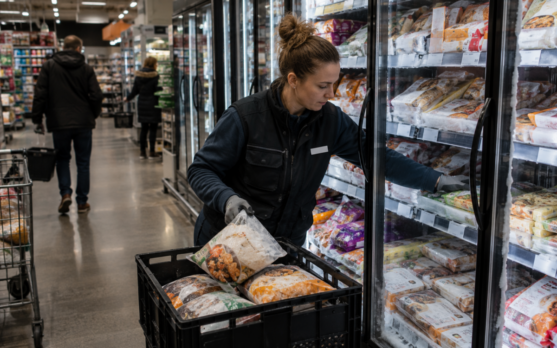
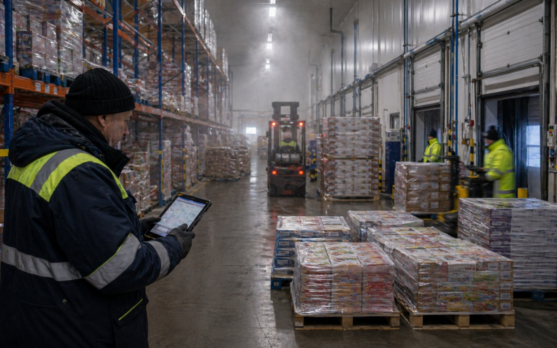
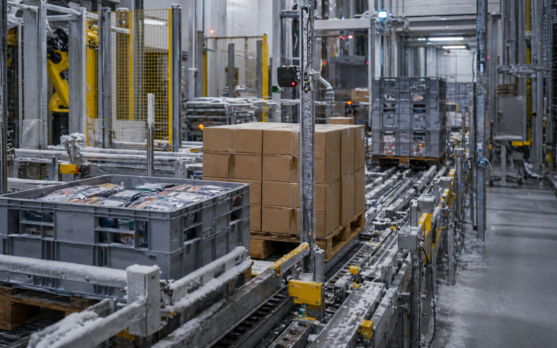
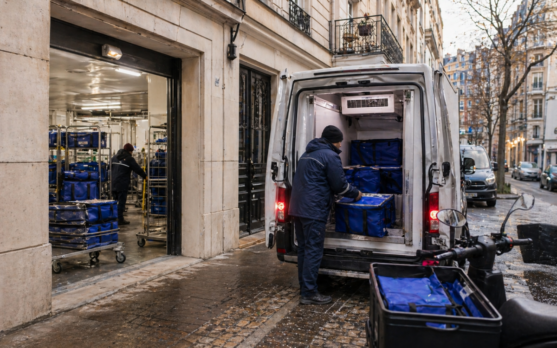
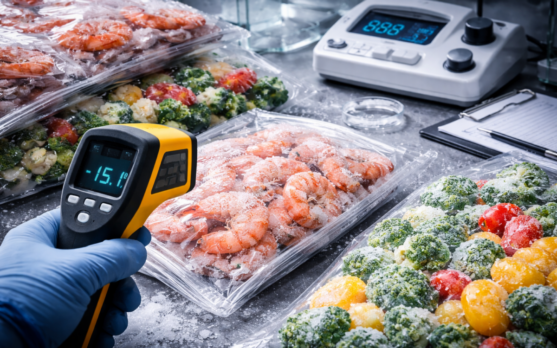
Walk into a frozen warehouse at the end of a difficult week and the sustainability debate looks rather different from a conference slide. A cracked case on a pallet is not just cardboard failure. It is product on hold, labour diverted, a retailer waiting, a truck cube already booked, and somebody in quality asking whether the damage stopped at the outer pack or reached the food. In frozen food, packaging is no longer a wrapper with an environmental claim printed on it. It is a piece of cold-chain infrastructure, and the industry is only beginning to price it that way.
The pack has moved from marketing to operations
For years, sustainable packaging in food was discussed as a material question. Less plastic. More paper. More recycled content. Better recyclability. Cleaner labels. All of that still matters, and regulation is making sure it matters more. But in frozen food, the material alone tells a very small part of the story.
A frozen pizza carton, an IQF vegetable bag, a fish box, a foodservice case of fries or a tray of ready meals does not travel through a gentle system. It passes through sealing lines, checkweighers, metal detection, case packing, palletizing, blast-freezer conditions, deep-freeze storage, refrigerated docks, route trucks, retail backrooms and freezer cabinets that are opened more often than engineers would like. Some packs are handled by automation. Some are handled by a tired warehouse operator with thick gloves and a pallet truck. Some sit under compression for weeks. Some are squeezed into a mixed pallet for a foodservice customer that wants small drops, tight delivery windows and no excuses.
That is where the debate becomes more honest. A pack that looks sustainable in procurement may perform badly in the chain. A lighter film can tear. A paper-based structure can struggle with humidity. A poorly designed case can crush the unit below it. A pouch with too much headspace can waste freezer space from plant to store. A recyclable solution that slows the packing line or raises the reject rate has not solved the operational problem. It has moved the cost somewhere less visible.
The frozen aisle punishes weak assumptions
Frozen food is unforgiving because temperature hides nothing for long. If a seal is weak, freezer burn appears. If a material becomes brittle, the defect shows up during handling. If a case loses strength in cold and damp conditions, the pallet tells the story before the invoice does. Retailers rarely care whether the failure began with a material substitution, a rushed specification, or a buyer pushing for a few cents off the packaging bill. They see damaged units, poor shelf presentation and shrink.
There is also a quiet commercial problem inside the cabinet. Frozen retail space is expensive. It is limited, energy-intensive and constantly under pressure from bigger category ambitions: plant-based, premium meals, bakery, snacks, Asian formats, high-protein products, private label, seasonal lines. A pack that wastes shelf depth, stacks badly or leaves too much air around the product is competing not only with rival brands, but with the economics of the freezer itself.
The same logic applies upstream. A cold store slot does not become cheaper because the product inside carries a sustainability message. A reefer truck does not burn less fuel because the packaging is easier to explain on a corporate webpage. If the case count is poor, if the pallet pattern leaves gaps, if the load height is underused, if extra wrap is needed to keep the unit stable, the system pays. Sometimes it pays through direct transport cost. Sometimes through labour. Sometimes through claims. Sometimes through the worst cost of all: frozen product that was perfectly good until the packaging failed to protect it.
The overlooked metric is not grams of material. It is value per cubic metre
The smarter frozen manufacturers are starting to look at packaging through a colder lens: how much saleable product does this structure move per cubic metre, per pallet, per truck, per store delivery, per unit of damage risk?
That question changes the discussion. A small change in pouch geometry can affect how many units fit in a shipper. A small change in shipper height can alter pallet layers. A different case format can improve stacking strength and reduce the need for over-wrapping. A tray that nests better can reduce inbound packaging volume. A more disciplined secondary pack can reduce picking errors in a warehouse where speed and visibility matter.
This is not glamorous packaging work. It will not always produce the kind of consumer-facing story that marketing departments like. Yet it can matter more than the headline material change. In frozen food, shipping air is particularly expensive because the air is being refrigerated, stored, moved, counted and often defended in retailer negotiations as if it were product.
There is a reason why packaging engineers talk about primary, secondary and tertiary packaging as a system. The consumer sees the bag or carton. The supply chain feels the case, the pallet, the stretch wrap, the label position, the corner strength, the way a mixed load behaves after two hours on a dock. One weak decision at the retail pack level can create a cascade of defensive packaging later. One better structural decision can remove steps that nobody thought belonged to sustainability at all.
Reusable systems will grow, but the cold chain will demand discipline
Reusable crates, trays, pallets and insulated containers are becoming harder to ignore, especially in regulated markets and closed distribution loops. The argument is attractive. Use the asset many times, reduce one-way packaging, improve handling consistency, standardise dimensions and build a cleaner return rhythm between plant, depot, retailer and foodservice customer.
Frozen food can benefit from this, but not everywhere. A reusable crate in a controlled retail network is one thing. A reusable system across fragmented foodservice customers, export lanes or low-discipline return environments is something else. The hidden work is not small. Containers must come back. They must be cleaned, inspected, tracked and stored. Loss rates matter. Return transport matters. Sanitation matters. A crate that returns half-empty or travels too far for washing can begin to lose the environmental story that justified it.
The most convincing reusable models in frozen will likely be boring, dense and operationally tight. Retail distribution centre to store. Bakery tray loops. Meat, poultry and seafood crates. Foodservice routes where the provider already controls the vehicle flow. Industrial ingredient transfers between known partners. Less convincing are the situations where the return path is vague, the customer base is scattered and the packaging pool becomes another unmanaged asset class.
There is a lesson here for the broader sustainability debate. Circularity is not a slogan in frozen logistics. It is a route plan, a washing protocol, a barcode, a pooling contract, a storage area and a person responsible when the assets disappear.
Regulation will make vague packaging claims harder to defend
Europe’s new packaging rules are pushing companies toward recyclability, packaging minimisation, reuse targets in certain flows and tighter control of excessive empty space. The practical consequence for frozen food is clear enough: packaging decisions will need better evidence. Not just a supplier certificate. Not just a lighter material. Evidence that the pack works in the chain where it will actually live.
That will put pressure on old habits. Some frozen ranges have grown around legacy case sizes, inherited pallet patterns and packaging formats that nobody has challenged because the line runs, the buyer accepts the price and the warehouse has learned to cope. Under a stricter regulatory and cost environment, coping will no longer be enough.
Retailers will ask harder questions. Packaging buyers will need to sit closer to operations. Sustainability teams will need to understand damage rates and trailer fill, not only recyclability claims. Plant managers will push back against materials that look good in a trial but behave badly at speed. Finance teams will become interested once packaging is linked to claims, frozen storage cost, truck utilisation and inventory disruption.
The more mature conversation will not be about choosing between sustainability and performance. In frozen food, they have to become the same conversation, or the numbers will expose the gap.
The boardroom needs a different packaging dashboard
A useful packaging review for frozen food should not stop at price per thousand units or grams of plastic removed. It should show line speed, reject rate, seal failure, case compression, pallet density, truck fill, warehouse handling, damage claims, retail shrink, customer complaints and product waste risk. It should separate material savings from system savings. It should also show when a slightly heavier or stronger pack prevents a much larger loss downstream.
There will be uncomfortable findings. Some “greener” choices will prove strong. Some will not. Some plastic reduction projects will make sense. Others may increase damage or push complexity into secondary packaging. Some fibre-based substitutions will work beautifully in specific chains and fail in wet, cold or long-distance conditions. Some reusable systems will be excellent in closed loops and poor in open networks. Frozen food does not reward ideology. It rewards tested performance.
The companies that handle this well will treat packaging as part of cold-chain design, not as a late-stage artwork and procurement exercise. They will bring together packaging suppliers, operations, QA, logistics, retail account teams and finance before the format is locked. They will test the pack in freezer conditions, at real line speeds, on real pallets, through real distribution routes. They will ask whether the product arrives saleable, whether the pallet moves cleanly, whether the retailer can replenish quickly, whether the consumer gets an undamaged pack, and whether the total system uses less space, less energy, less labour and less material waste.
That is a harder standard than a green claim. It is also a more useful one.