A lighter frozen pack can look excellent in a sustainability meeting and fail badly in a cold store. That is the uncomfortable part of packaging optimization in frozen food. A few grams removed from a film, a tighter carton, a paper-based structure, a smaller case count or a neater pallet pattern can all make sense on paper. Then the product meets frost, compression, forklift movement, retail handling, freezer burn, weak seals and a shopper who leaves a damaged bag behind. In frozen food, less packaging is only progress when the food arrives intact.

The cut that looks good until the product moves
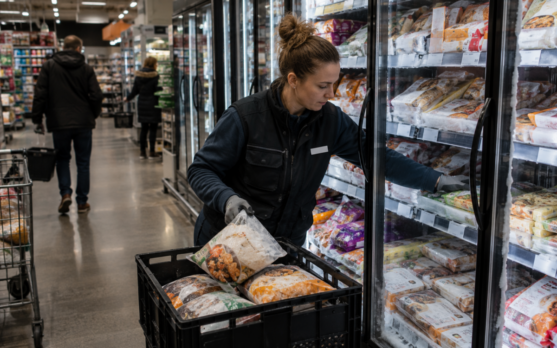
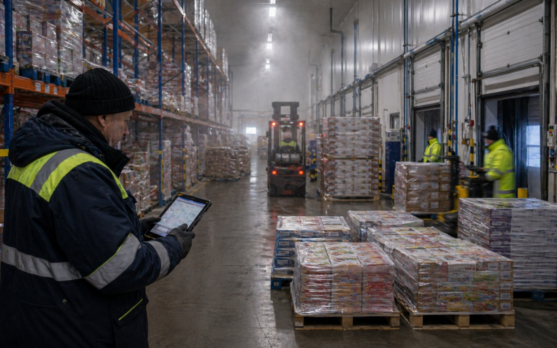
Packaging optimization is often discussed as if the pack sits still. It does not. A frozen product travels through a rough little world before anyone cooks it. It is filled and sealed at speed, chilled hard, stacked, palletized, moved into cold storage, picked, transported, cross-docked, handled by people in gloves, pushed into retail freezers and sometimes packed again for online delivery. Each stage adds a small insult. A corner rubs. A seal flexes. A carton softens. A bag scrapes against another bag. Condensation appears, then freezes. The spreadsheet usually notices the material saving first. The freezer notices the weakness.
That is where the sustainability conversation becomes more serious. A thinner film may reduce plastic use. A smaller carton may improve transport density. A recyclable structure may answer a retailer brief. None of these changes is wrong. Some are overdue. But frozen food punishes changes that are made without enough respect for the product. If the pack fails, the result is not only packaging waste. It is food waste, a complaint, a credit note, a poorer shelf presentation and a buyer who remembers the failure longer than the claim.
The pressure to optimize is real. Europe’s new packaging rules are pushing the market toward lower waste, better recyclability and packaging that is not larger or heavier than it needs to be. Retailers are also cutting their own exposure. They want suppliers to reduce unnecessary material, but they do not want crushed cases, split bags or frozen cabinets full of tired-looking packs. A supplier that treats packaging reduction as a procurement exercise is walking into trouble.
Right-sizing is not the same as shrinking
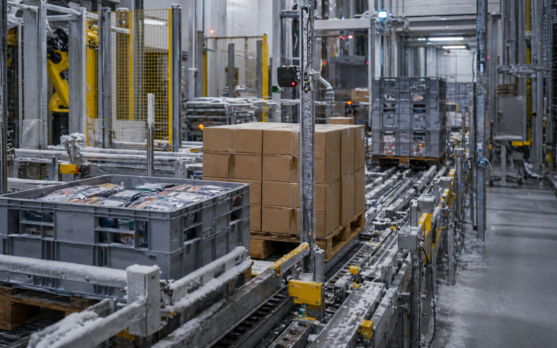
Right-sizing sounds simple until it reaches a frozen supply chain. The obvious move is to remove void space, reduce board weight, improve pack geometry and stop shipping air through expensive cold logistics. A better cube can mean more units per case, more cases per pallet, fewer truck movements and less pressure on cold-store space. In a sector where refrigeration, storage and transport are costly, geometry matters.
But a pack can be too tight. Frozen products rarely behave like perfect blocks. Vegetables settle. Potato products have edges. Seafood can be irregular. Bakery items can be fragile. Ready meals bring trays, films and sleeves into one system. If the primary pack has no tolerance, if the case board is too light, if the pallet pattern is too ambitious, damage appears in boring places: the bottom layer of a pallet, the back of a freezer cabinet, the crate returned from store, the rejected pack pulled from an online order.
Good right-sizing starts with the whole route, not the single SKU image. The cold-store manager sees whether a case stacks properly. The transport team sees whether pallets lean. The line operator sees whether packs jam. The store colleague sees whether a carton face collapses after customers handle it. The buyer sees whether the product still looks worth the price after a week in the cabinet. A design team that does not hear those voices may still create a beautiful pack. It may also create a very efficient way to lose product.
Downgauging needs colder evidence
Downgauging is one of the fastest ways to show progress. Reduce the thickness of a flexible film and the numbers improve quickly: less plastic per pack, lower material cost, a cleaner line in a sustainability update. It is tempting, especially in high-volume categories such as frozen vegetables, potato products and value ready meals.
The risk sits in the detail. Films used in frozen food have to seal reliably, flex at low temperature, resist puncture, survive packing speeds and protect against moisture and oxygen where required. A small loss in toughness can create a large increase in damaged units once the product is handled at scale. The first warning may not come from the laboratory. It may come from a store freezer where several bags have split along a seal, or from a distribution centre where cases show product dust and ice from leaking packs.
There is also a difference between reducing material and transferring work to the rest of the system. If a thinner primary pack needs stronger secondary packaging, extra handling care or more rejected units on the line, the saving becomes less convincing. A film trial that looks good during a short production run needs to be followed through storage, transport, retail handling and, increasingly, home delivery. Frozen products are not gentle test subjects.
That does not make downgauging a bad idea. It makes lazy downgauging a bad idea. The best projects remove material that the pack never needed. The worst remove the margin that was quietly protecting the food.
Recyclability must still pass the freezer test
Design for recycling is moving from an ambition to a requirement. Flexible packaging is under particular pressure because so many historic structures were built for performance first: laminates, barriers, inks, adhesives, coatings and mixed materials chosen because they worked on machinery and protected the product. Recyclability now has to be designed in much earlier.
Mono-material thinking is a useful direction, especially for flexible packs where compatible polymer streams can improve sorting and recycling potential. RecyClass and CEFLEX have both pushed the industry toward more disciplined design choices, with recyclability treated as a technical property rather than a claim added at the end. That shift matters. It also exposes a stubborn truth for frozen food: a recyclable pack that performs badly in the freezer is not a sustainable pack.
Recent industry examples show how careful the work has to be. Amcor and BRF developed recycle-ready frozen food packaging in Latin America, positioning it as a route to lower carbon footprint while keeping packaging performance and machinability. Iceland has worked with Mondi on paper-based frozen food packaging that reduced plastic use in selected products, and with Parkside on a recyclable paper pouch for frozen seafood designed to resist frost and moisture. These examples are useful because they are not magic tricks. They are engineering stories. Barrier coatings, sealability, freezer resistance and processability sit behind the sustainability message.
Paper will grow in some frozen applications. So will mono-material plastics. So will hybrid thinking around primary and secondary formats. None of them should be treated as a universal answer. Frozen food does not need material ideology. It needs formats that can be collected, sorted and recycled where possible, while still doing the old unfashionable work of protecting food from damage.
Seal integrity is where sustainability becomes practical
A weak seal is not a small defect in frozen food. It is an open door. Moisture moves. Ice crystals form. Product quality drops. A bag leaks into a case. A retailer loses confidence. The consumer sees frost, clumping or damage and assumes the product has been badly handled, even when the root cause started with packaging design.
Seal integrity rarely gets the attention given to materials. It should. A new film, coating or paper-based structure may score well on recyclability or plastic reduction, but it still has to work on real equipment at real speeds. It has to tolerate product contamination in the seal area, temperature variation, machine adjustment, operator error and the everyday impatience of factory life. Packaging sustainability that only survives perfect conditions is not ready for frozen food.
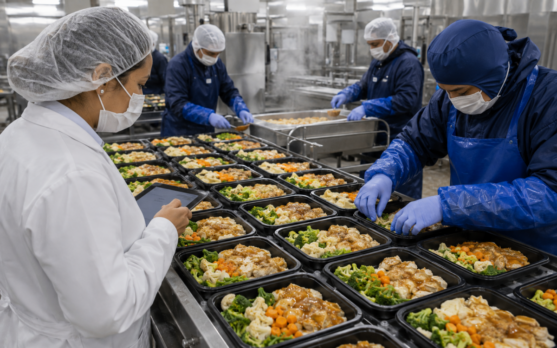
Factories know this in a very practical way. A trial material may run well during a controlled test, then start causing downtime when the line is under pressure. A pack may seal correctly in the morning and behave differently after a change in humidity, product temperature or roll handling. A small rise in rejects can eat into the value of a material-saving project. The finance team may see lower packaging cost per thousand units. Operations may see slower lines, more checks and more waste bins filling with failed packs.
The better brief asks for more than a recyclable structure or a lighter gauge. It asks how the pack behaves when the line is tired, the cold store is full and the retailer is pushing for promotion volume.
The future pack brief will be less cosmetic
Frozen packaging briefs are becoming harder to write, and that is probably healthy. The old hierarchy was fairly comfortable: protect the product, carry the brand, fit the line, meet cost. Sustainability then arrived as a fifth demand, often treated as a material switch or a claim. That order is breaking down. The new brief has to deal with all of it at once.
A serious brief now has to ask whether the pack uses only the material it needs, whether the material can be recycled in relevant systems, whether the structure protects shelf life, whether the case and pallet improve logistics, whether the seal survives real production, whether the pack can be handled in retail without looking damaged, and whether any reduction increases food waste. It is a crowded brief. It should be.
There is a commercial point here that frozen suppliers cannot avoid. Retailers will not reward every packaging change equally. They will favour changes that reduce risk in their own operations: fewer damages, clearer recycling logic, better cube, fewer customer complaints, stronger private-label credibility. A supplier that brings packaging evidence into a buyer meeting will sound different from one that brings only a green claim. Less excited, perhaps. More convincing.
The frozen food sector has a strong sustainability argument when it protects food well. Long shelf life, portion control, reduced spoilage and efficient distribution all have value. Packaging is part of that argument, not an embarrassment to be minimized blindly. The pack should become leaner where it can. It should become more recyclable where the system allows. It should become smarter in its geometry and quieter in its promises. But it must not forget the food.