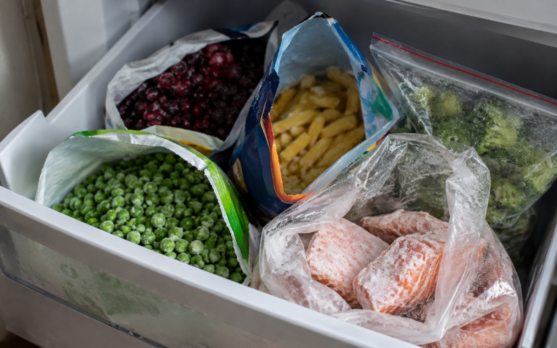
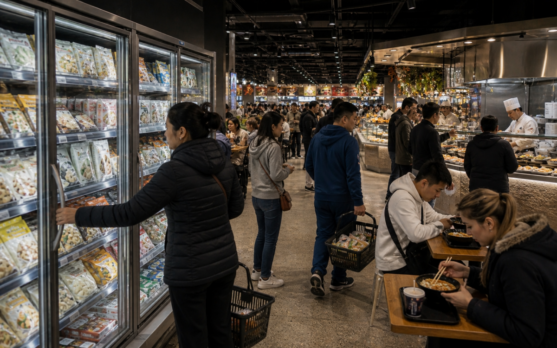
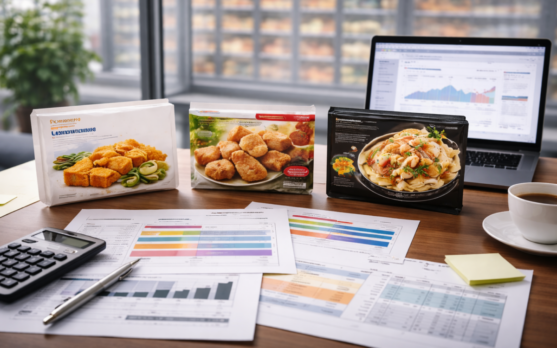
A frozen pack can be perfectly safe, properly stored and still end up treated like a liability because of one small printed date. In a store back room, nobody has time for a debate about quality language. In a household freezer, nobody wants to take a risk. In a donation chain, nobody wants the paperwork headache. So the product moves down the ladder, not because the food failed, but because the decision around it did.
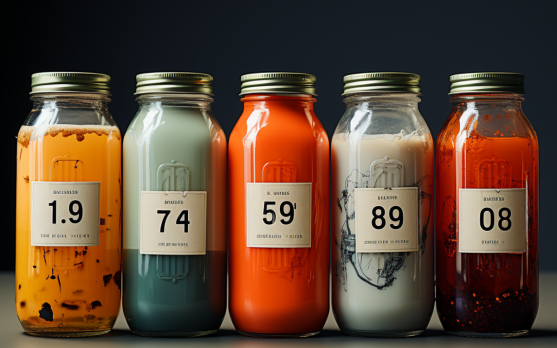
A date code can become a disposal order
Date labels were supposed to help people make better decisions. Too often, they do the opposite. A shopper opens the freezer, sees a date that has passed, and hesitates. A store employee checks a carton during rotation and pulls it early because the rule is safer than the judgement call. A food bank declines a product because the wording on the pack creates doubt. The food may still be usable. The label has already done its damage.
Frozen food should be better protected from this kind of waste. It has longer shelf life, stronger temperature control and more room for planned redistribution than many fresh categories. That is the theory. In practice, the date on the pack can still behave like a cliff edge. Once the date is read as a warning, the conversation gets nervous very quickly.
The old language around expiry confusion was usually aimed at consumers. Teach people the difference between “best before” and “use by.” Tell them not to panic. Add a campaign. That helps, but it is too soft for the trade. Date coding affects markdown timing, stock rotation, donation, customer complaints, private label specifications and the way frozen inventory is handled in the last stretch of its commercial life.
The wrong label does not spoil the food. It spoils the decision around it.
Quality is not the same as safety
The distinction is simple on paper and surprisingly fragile in real life. “Best before” or “best if used by” points to quality. Taste, texture, colour, cooking performance, the moment when the product is at its best. “Use by” belongs to safety. It tells the buyer when the product should no longer be consumed.
Frozen food lives in that gap. A bag of vegetables may lose some quality over time. A ready meal may suffer in texture. Ice crystals may build. A product may no longer deliver the eating experience the brand wants. That is not the same as saying it has become unsafe, assuming the cold chain has been properly maintained.
Retail does not always have the patience to handle that distinction. A store wants clean rules. A buyer wants low complaint risk. A category team does not want a customer posting a photo of an old date. So products can be marked down early, removed early or made awkward for donation even when the date is about quality rather than safety.
Manufacturers also carry part of the responsibility. Conservative dating can protect reputation, but it can also push food out of the chain before it needs to leave. Optimistic dating may reduce waste on paper, but it risks disappointing the consumer. The honest work sits between the two: validate shelf life properly, write the label clearly, and stop pretending that a date code is only a regulatory detail.
California has pulled freezing into the label debate
California’s AB 660 is worth watching closely because it does something practical. From July 2026, packaged foods sold in California must use clearer language for quality and safety dates. More importantly for this sector, it allows phrases such as “Best if Used or Frozen by” and “Use by or Freeze by.” That matters.
Freezing is no longer just storage advice tucked into small print. It becomes part of the decision moment.
That is useful because a lot of waste happens in the hesitation zone. A shopper buys chilled or fresh food, forgets it for a few days, and throws it away because the label did not make freezing feel like a normal option. A retailer sees stock approaching a date and does not have a clear route. A foodservice kitchen keeps product until the decision becomes rushed. Clear “or freeze by” language does not solve all of that, but it gives people a cleaner instruction while the food still has value.
The removal of consumer-facing “sell by” language is just as important. Retailers need stock rotation codes. Consumers do not need to inherit the back-room code and turn it into a safety judgement. A date created for inventory management should not be sitting on the front of the pack pretending to be consumer advice.
For national brands and private label suppliers, California may become more than a state compliance issue. Once a package is redesigned for one major market, the commercial case for cleaner date language elsewhere gets stronger. Nobody wants a label system that teaches one consumer clearly and confuses another.
The freezer aisle needs better last-mile decisions
Stand in a supermarket freezer aisle near closing time and the issue feels less academic. Staff are rotating stock, dealing with damaged cases, watching slow lines, checking codes. A product may be safe, but the outer carton is crushed. Another is close to the quality date. A seasonal item has missed its moment. A promotion has left too many cases in the back.
Clearer date labels help only if the store has something useful to do next.
Markdown has to happen early enough. Donation routes need freezer capacity. Store teams need authority. The supplier agreement must not turn every near-date case into a small legal drama. If the only practical option is to wait until the product becomes unsellable, the label reform has not reached the floor.
Frozen retail has a strange weakness here. Longer shelf life can make people delay the awkward decision. Fresh products force action quickly. Frozen products allow a slow line to remain polite for weeks, sometimes months. By the time someone finally acts, the product may still be edible, but the route has narrowed.
Date clarity should push decisions earlier, not simply make the label look cleaner.
Donation needs confidence, not just goodwill
Frozen food should be one of the easier categories to redistribute. In theory, it offers time, portion control and product stability. A frozen case that has remained at the right temperature can often travel better than fresh surplus. Yet donation still breaks down in ordinary ways.
The receiving partner may lack freezer space. Transport may not be available. Temperature history may be incomplete. The product may be past a quality date and still safe, but nobody wants to explain that to the next person in the chain. Staff may not understand the difference between a quality date and a safety date. So the product stays where it is until the decision becomes less about food and more about clearing space.
Standardized labels can help, especially if they make clear when a date is about quality. But the industry should not treat labels as the whole answer. Donation needs operating rules. It needs partners that can handle frozen stock. It needs product lists, temperature records, decision rights and enough urgency to move food while there is still time.
A clear label opens the door. It does not load the truck.
The pack has to speak plainly
Packaging teams often have too many masters: legal, branding, retailer requirements, export markets, cooking instructions, nutrition panels, claims, languages, recycling rules. The date code can end up treated as small technical furniture. It should not be.
On frozen products, the label needs to answer a few practical questions quickly. Is the date about quality or safety? Can the product be kept frozen beyond that quality date if it has been stored properly? How should it be thawed or cooked? What happens after opening? Where is the code printed, and can a tired store worker or consumer actually read it?
Small decisions matter. A date printed on a crimped edge, hidden in dark ink on a dark background, or mixed with batch codes can create doubt. Doubt creates defensive behaviour. Defensive behaviour creates waste.
There is also a private label angle. Retailers often set strict specifications for their own ranges. If those specifications are clearer than branded ranges, they can improve consumer trust. If they are inconsistent across categories, they simply add another layer of confusion. The frozen aisle already asks shoppers to compare price, format, portion size, brand, cooking time and health cues. It should not also ask them to decode whether a date means quality, stock control or risk.
The best date label is not clever. It is boring, visible and hard to misunderstand.