A freezer cabinet does not confess much from the outside. The lights are on, the doors are shut, the peas look hard, the pizza boxes are stacked, and the temperature display gives everyone a number to trust. But frozen food is not protected by a number alone. It is protected by time, temperature history, product design, packaging, discipline at the dock, and the uncomfortable fact that some products forgive a warmer chain far better than others. The proposed move from -18C to -15C may be one of the most attractive energy ideas in frozen food, but it is also a test of how honestly the industry talks about quality.
The three degrees everyone wants
The appeal is obvious. Frozen food runs on cold, and cold is expensive. A three-degree shift sounds small enough to be practical and large enough to matter. The Three Degrees of Change report put the potential saving at around 25 TWh of energy a year and about 17 million tonnes of CO2e avoided across the frozen chain. Nomad Foods and Campden BRI later tested a range of frozen products over 18 months and reported that moving from -18C to -15C reduced freezer energy use by 10 to 11 percent without a noticeable effect on safety, taste, texture or nutritional value for the products tested.
Those are not marginal numbers. For manufacturers paying for cold storage, for retailers running long banks of freezer cabinets, for logistics operators managing temperature-controlled sites, the saving is large enough to reach the boardroom. Energy is no longer a background cost. It is a margin issue, a carbon issue, sometimes a capacity issue.
That is why the -15C debate has momentum. It is simple to explain. It is easier to sell than many decarbonisation projects. It does not require shoppers to change behaviour or factories to reinvent the product range overnight. Raise the set point, keep the food frozen, save energy. A neat proposition. Almost too neat.
Food safety is not the whole argument
The frozen category has a habit of using safety as the strongest shield. If the product remains microbiologically safe, the conversation can sound settled. It is not settled for the buyer staring at complaints about texture. It is not settled for the brand manager dealing with ice crystals in a premium dessert. It is not settled for the retailer whose freezer promotion looks tired by the second weekend.
Frozen food can remain safe and still lose value. That distinction needs to sit at the centre of the -15C discussion. Quality does not fail like a light switch. It drifts. A sauce separates slightly. A coating loses bite. Vegetables dull. Dough handles differently. Ice cream becomes less smooth. Fish or meat can pick up changes that are small in a lab table and very visible in a repeat purchase.
The International Institute of Refrigeration’s 2025 position paper brought this tension into sharper focus. It accepted the energy logic, but warned that a move from -18C to -15C may reduce sensory shelf life by around 30 percent, based on reviewed studies. That does not mean every product becomes worse at once. It means the margin for lazy handling narrows.
For a frozen food company, that is where the commercial risk lives. The consumer rarely knows whether the damage happened in a cold store, in a trailer, at a retail cabinet or during home transport. The brand owns the experience anyway.
Pizza is not ice cream, spinach is not red meat
The weakest version of the -15C argument treats frozen food as one category. It is not. Frozen pizza, coated chicken, fish fingers, garden peas, spinach, red meat, laminated pastry and ice cream are different products wearing the same temperature label.
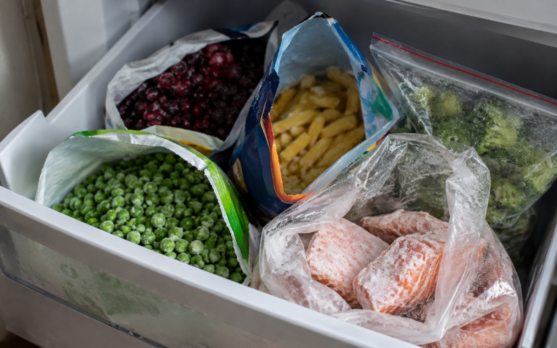
Nomad’s 18-month study matters because it tested real commercial categories: crumb-coated chicken, fish fingers, salmon fillets, peas, spinach, mixed vegetables, plant-based meatballs and margherita pizza. That is useful evidence, especially for industrialised savoury products and mainstream frozen meals. It is not a passport for every SKU in the freezer aisle.
Vegetables are a good warning. They may look simple, but colour, vitamin retention, texture and blanching history all matter. Nomad’s own material noted a vitamin C decline in some vegetables after the best-before date. That should not be turned into panic. It should also not be edited out of the story because the energy figure is attractive.
Ice cream sits in a different world. It is not just frozen. It is structure, air, fat, sugar, water and texture held in a fragile agreement. A few degrees and a few temperature swings can show up as softness, iciness or shrinkage. Premium frozen desserts are even less forgiving. Frozen bakery has its own sensitivities around dough, lamination, yeast activity, moisture migration and bake-off performance. Seafood and fish products bring oxidation, drip loss and sensory issues into the conversation, depending on species, cut, glaze, packaging and storage time.
The more serious future is not one warmer frozen standard applied across everything. It is category permission. Some products can probably tolerate -15C well under controlled conditions. Some will need shorter declared shelf life. Some should stay at -18C or below. That is messier than a campaign slogan, but closer to how the industry actually works.
The set point is the easy part
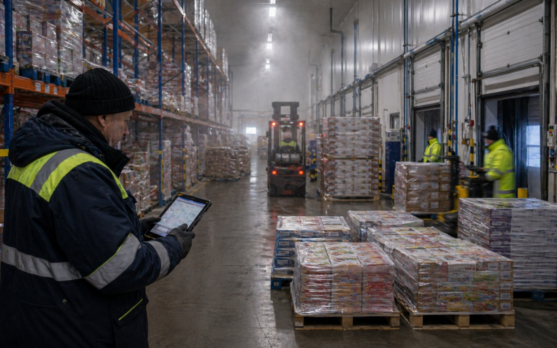
In a controlled test, -15C is a set point. In the real chain, it is a history. A pallet leaves a factory store, waits at dispatch, enters a trailer, reaches a distribution centre, is rehandled, sits near a dock, moves again, reaches a store, then spends days in a retail cabinet that customers keep opening.
Every weak point matters more when the safety margin is smaller. A chain designed around -18C often survives a degree or two of operational mess without turning that mess into a commercial problem. At -15C, the same bad habits become harder to hide. Door discipline, loading time, cabinet performance, sensor accuracy, defrost cycles, route duration and store execution start to carry more weight.
This is where the debate becomes uncomfortable for operators. A strong cold chain can make -15C look sensible. A loose chain can make it look reckless. The temperature on the paperwork does not describe the life of the product.
That is also why the FAO and WHO call for data in 2026 matters. The question has moved beyond broad claims. Food safety authorities now want evidence on microbiological safety, commodity differences, temperature oscillation and real storage profiles. That is the right direction. The industry does not need another confident statement that frozen food is safe. It needs proof of where, how long, for which products, and under what handling conditions.
Retail will test the promise in public
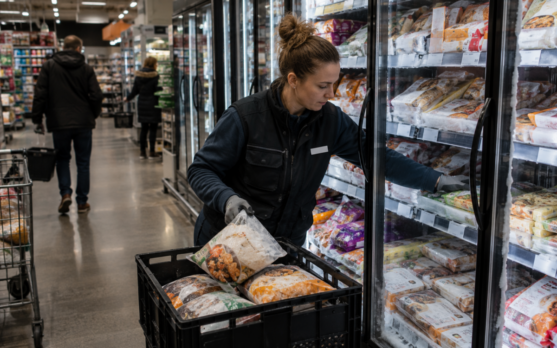
Morrisons’ UK trial gave the debate a useful retail scene. Ten stores, freezer temperatures raised from -18C to -15C, different geographies, different weather patterns and supply routes. A store freezer is a harder place to hide than a lab freezer. Doors open. Staff restock under pressure. Shoppers browse slowly. Cabinets sit near aisles, lights, air movement and human behaviour.
That is why retail trials matter. If the -15C idea is going to travel beyond manufacturer studies and conference platforms, it has to survive ordinary retail. The morning fill. The weekend promotion. The half-empty cabinet. The store team that does not have time to think about thermal theory.
Retailers will also ask a blunt commercial question: who carries the risk if quality slips? If energy savings sit mainly with the retailer, but quality complaints hit the brand, the negotiation changes. If a supplier has validated its product only under clean warehouse conditions, the retailer will want to know what happens in a cabinet over a full trading cycle. If a logistics partner says the route can handle -15C, the manufacturer will want actual temperature history, not reassurance.
The most credible trials will not look for one grand answer. They will separate products, routes and durations. A frozen pizza promotion in a short domestic chain is one case. Imported seafood with long storage is another. Premium ice cream is not a bag of peas. The freezer aisle makes those differences visible.
The likely future is thermal segmentation
The industry may still talk about “moving to -15C” as if it were a single switch. The practical future is more likely to be segmented. Approved SKUs. Validated lanes. Different shelf-life rules. More disciplined temperature data. More attention to packaging and formulation. More category-specific standards sitting behind the same retail freezer door.
In the short term, 2026 will be a year of data, policy pressure and selective trials. The Codex conversation is now active, but a global reset will not happen simply because the energy saving is attractive. The scientific and regulatory process will ask for proof across commodities and conditions.
From 2027 to 2028, adoption is more likely in controlled flows: manufacturer to distribution centre, retailer private-label programmes, products with strong internal data, and lanes where temperature abuse is already tightly monitored. Robust savoury foods may move first. Sensitive desserts, bakery and high-value products with texture-led quality promises may move more slowly.
Beyond that, the temperature label may become part of product architecture. Formulation, packaging, glaze, portion size, surface area, water activity and expected storage time will all affect whether a product can afford a warmer chain. That is not a minor technical footnote. It changes how frozen food is designed, priced and contracted.
There is a climate prize here. It is real. But there is also a brand-risk bill if the industry treats -15C as a universal shortcut. The cold chain can be warmer only where the product, the route and the operator have earned it.