
Quality Control Methods
Zero Drama Cold Chain
Practical playbook for batch-level cold chain visibility and small recipe/pack tweaks that keep frozen products consistent, without the drama.
Quality Control Methods
Practical playbook for batch-level cold chain visibility and small recipe/pack tweaks that keep frozen products consistent, without the drama.

Analysis / Feature Series
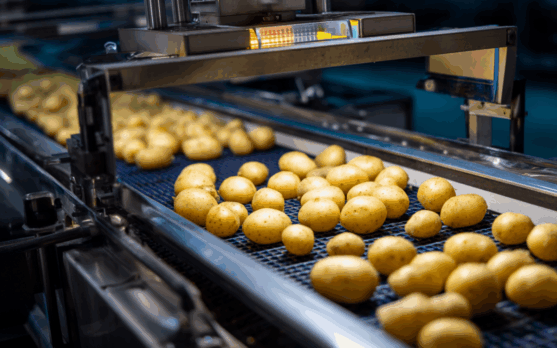
Steam efficiency is reshaping potato processing. Here’s how plants are turning heat into a competitive edge.
Analysis / Feature Series
A ground-level look at how potato processors are adapting equipment, strategy, and supply to meet an unpredictable market.

Analysis / Feature Series
Explore the future of frozen food—autonomous trucks, AI-created meals, micro-factories, taste-sensing machines, and circular supply chains.

Analysis / Feature Series
Explore how next-gen freezing techniques are transforming texture, taste, and sustainability in frozen food production.

Analysis / Feature Series
Discover how collaborative robot arms are transforming frozen food production—bringing precision, hygiene, and flexibility to every meal.

Analysis / Feature Series
COLD LOGIC is Frozenet’s new editorial series exploring how automation is reshaping the frozen food industry—from factory floor to freezer door.

Industry Growth & Challenges
Food & Wine’s 2025 Game Changers highlight 14 companies solving real-world problems in food systems—waste, sourcing, delivery, inclusivity—built for long-term resilience,...

Analysis / Feature Series
Beyond eco-labels: the future of food lies in emotional depth, sensory rituals, and moments of meaningful connection.

Global Consumption Trends
FDA-approved cultivated salmon by Wildtype enters public distribution, signaling a major shift for the frozen food industry and alt-protein market.
Analysis / Feature Series
Private-label products are becoming consumer favorites by delivering quality, transparency, and sleek packaging that rival national brands.

Sustainable Packaging
A new seawater-dissolvable plastic from Japan could change how the frozen food industry thinks about packaging and marine pollution — by disappearing exactly when it’s needed