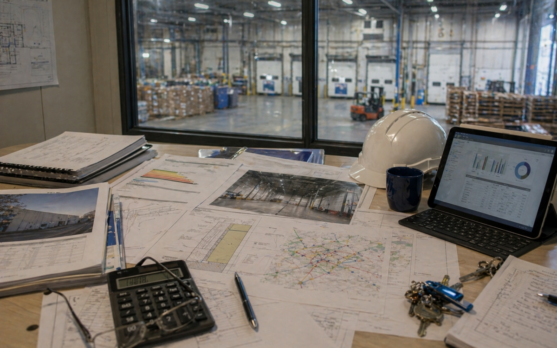
The future of frozen food will not arrive as one dazzling machine at the end of a production line. It will be seen in smaller, harder places: a plant manager trying to run shorter batches without losing yield, a cold-store operator deciding whether an old building can still support modern retail, a buyer asking why a promoted line was out of stock on Saturday, a packaging team trying to protect texture while meeting new recycling rules, and a shopper using frozen not as a fallback, but as the backbone of dinner. The next decade will not be won by the most futuristic pilot. It will be won by the companies that make product, factory, cold chain and freezer aisle work as one system.

The future is not one breakthrough
Frozen food has always attracted big promises. Better freezing. Smarter warehouses. Digital shelves. Automated picking. AI planning. Packaging that tells a story. Some of those things will matter. Some will remain conference language. The more useful point is less glamorous: frozen food is becoming more dependent on the quality of the system around it.
A frozen meal is no longer judged only by what happens in the factory. It is judged by how it cooks in an air fryer, how the sauce holds after freezing, how the pack survives e-commerce handling, how the product looks behind a freezer door, and whether the retailer can keep it available when demand moves faster than forecasts. A frozen vegetable mix has to behave like an everyday ingredient, not a compromise. A bag of fries has to satisfy a household, a QSR kitchen or a foodservice operator without turning every batch into a small negotiation.
That is the real shift. The product has to be designed for the chain that carries it.
The freezer is becoming part of meal planning
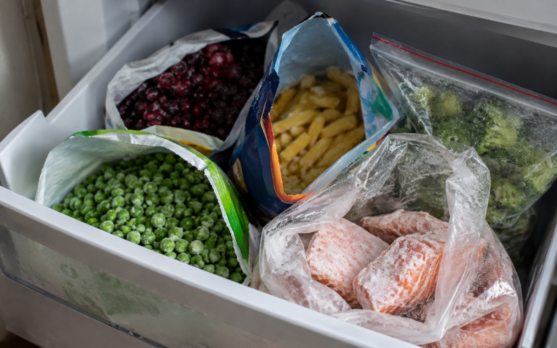
Frozen food is no longer just the emergency meal at the back of the home freezer. In the US, frozen food sales reached about USD 87 billion in the year ending September 2025, more than 45 percent above 2019. Inflation explains part of that. Volume and behaviour explain the rest. Shoppers are using frozen with more intention, often combining it with fresh ingredients rather than treating the two as opposites.
The strongest product work will come from that reality. Frozen meals that feel closer to restaurant eating at home. Appetizers and sides that fit gatherings. High-protein, higher-fibre, globally inspired and air-fryer-ready products that understand how people actually cook on a Tuesday evening. Premium private label will keep pushing here, because retailers can use frozen to offer quality without the labour and shrink of fresh-prepared counters.
Whole Foods’ “freezer fine dining” language may sound dressed up, but the commercial signal is clear enough. Consumers are more open to frozen products that bring taste, speed and value together. Conagra’s 2026 frozen report points in the same direction, linking restaurant-style frozen demand to the widening cost gap between eating out and eating at home.
That does not mean every frozen product should pretend to be a chef’s dish. The market still needs value, family packs, vegetables, pizza, potatoes and basic meal components. The interesting part is that frozen is being asked to do both jobs: provide affordable reliability and a more enjoyable home-eating experience. The weak products will be the ones that only shout convenience while ignoring texture, portion, cooking method and repeat purchase.
Factories will automate where variation hurts
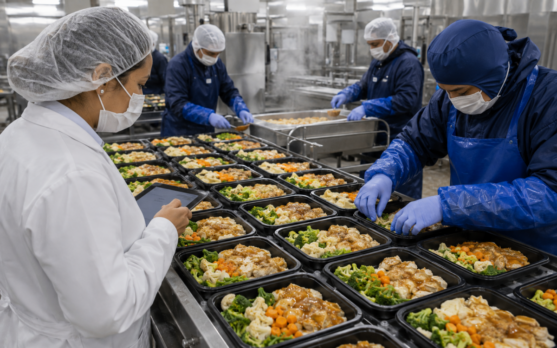
The frozen factory of the next decade will not be a fully autonomous theatre. Some lines will be highly automated. Many will not. Labour, capital cost, product variation, hygiene routines and maintenance skills will decide how far automation goes in each plant.
The best automation will look practical. Vision systems that catch defects earlier. Robotic handling where cold, repetition or injury risk is high. Smarter batching for shorter runs. Better control of coating, filling, portioning and packaging. Predictive maintenance that prevents a freezer or fryer from becoming the day’s main character. Energy controls that reduce waste without making operators fight the system.
Frozen food manufacturing has a special dislike for inconsistency. A small upstream variation can show up later as broken coating, poor reheat, darker fry colour, sauce separation, damaged vegetables, freezer burn or packaging failure. Automation earns its place when it reduces that variation or catches it before the customer does.
There will be mistakes. Plants will buy technology that looks strong in a demo and then struggles with real product behaviour, sanitation windows or mixed-format production. The smarter factories will not automate for spectacle. They will automate the points where labour, waste, food safety and customer complaints meet.
Cold stores become the gatekeepers
Frozen food growth will keep running into the same hard asset: cold storage. The sector has modern buildings, but it also has a large base of older facilities. Newmark’s 2025 market work on US cold storage showed a historically elevated pipeline, strong rent growth since 2020 and a strikingly young share of recent inventory compared with the age of the broader stock. The industry can talk about product innovation all it wants. If the cold chain cannot carry the product reliably, the freezer aisle never sees the promise.
This is where the next decade gets more selective. Some cold stores will become strategic assets because they have power, automation readiness, refrigeration discipline, data visibility and expansion room. Others will remain useful, but narrow. They may hold product, yet struggle with fast picking, energy cost, temperature data, labour pressure or the tighter service windows that frozen food buyers now expect.
Energy will sit inside every serious cold-chain decision. Refrigeration is not a side function. It is the business. Operators such as Americold are already reporting large investments in LED upgrades, automated refrigeration controls and energy-optimisation projects. Lineage’s industry survey shows strong demand for refrigerated and frozen foods, while also pointing to data, AI, volatility and cost pressure as forces reshaping the cold chain.
The cold store is no longer just the place between factory and retailer. It is the place where availability, energy, service level and product integrity are either protected or quietly lost.
Retail will decide what shoppers actually see
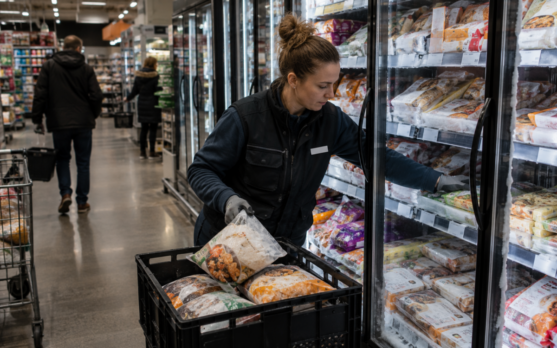
Frozen brands often talk as if innovation reaches the shopper by itself. It does not. It has to pass through the freezer aisle, online picking, store execution and the retailer’s category choices. A brilliant product that is hard to find, often out of stock or poorly merchandised becomes a private disappointment.
Availability is becoming part of the frozen value proposition. Recent US shopper research has pointed to frustration around inconsistent availability and difficulty finding preferred frozen items. That matters because frozen is increasingly used for meal planning. If the product is not there, the shopper may not switch to another frozen item. They may change the meal.
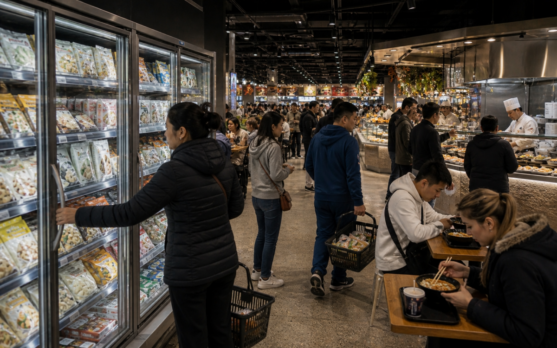
The better retail work will connect frozen with how people build meals. Frozen vegetables near fresh meal solutions. Potatoes and sides linked to proteins. Premium appetizers positioned for hosting. Air-fryer products given clearer cooking logic. Online frozen handled with enough discipline that delivery does not degrade trust.
The freezer aisle does not need to look futuristic to become more valuable. It needs to become easier to shop, easier to trust and less wasteful in the way it handles demand. Digital tools can help, but they will not rescue bad category work.
Packaging and data will do less storytelling and more work
Frozen packaging is entering a harder period. It has to protect against moisture, oxygen, freezer burn, scuffing, broken corners and poor temperature history, while regulators and retailers ask for stronger recycling performance and less waste. In Europe, the new Packaging and Packaging Waste Regulation will apply from August 2026 and pushes packaging toward recyclability by 2030, with broader pressure on design, labelling and material use.
That creates a real engineering problem for frozen food. A pack that looks more sustainable but fails in the freezer is not sustainable. It creates product waste, complaints and lost confidence. The best packaging work will be less about making claims and more about protecting food through the actual chain: storage, transport, retail, e-commerce picking and the consumer’s freezer.
Data will follow a similar path. The important future is not shoppers scanning every pack for a story. It is better temperature history, cleaner traceability, faster recall response, fewer claims disputes and stronger audit trails. In the US, the Food Traceability Rule’s enforcement timing has shifted toward July 2028, but the direction is clear enough. Food businesses will need better records across critical points in the chain.
For frozen food, that is not only a compliance issue. It is a trust issue. When something goes wrong, the company that knows where the product was, how it moved and what happened to it will have a different conversation from the company searching through spreadsheets.
The long view is infrastructure
Frozen food has a strong case to make in the next decade. It can reduce waste, stretch household budgets, preserve seasonal crops, support foodservice consistency and give retailers a way to sell meal solutions with lower shrink than fresh-prepared operations. FAO has estimated that insufficient refrigeration contributes to hundreds of millions of tonnes of food loss and waste globally. Cold chains matter.
But frozen cannot use the waste-reduction argument while ignoring the energy argument. Electricity demand is rising across data centres, cooling, electrification and industry. Cold storage and freezing will compete for power in a busier energy system. That makes efficient refrigeration, power-ready sites, smarter controls and better asset planning central to the category’s credibility.
By the early 2030s, the stronger frozen food companies will look less like product sellers and more like system managers. They will understand formulation, factory yield, packaging performance, cold-chain capacity, retail execution, energy cost and shopper use as connected decisions. The weaker ones will keep launching products into chains that cannot support them properly.
The freezer is not the future by itself. The future is the discipline behind it.