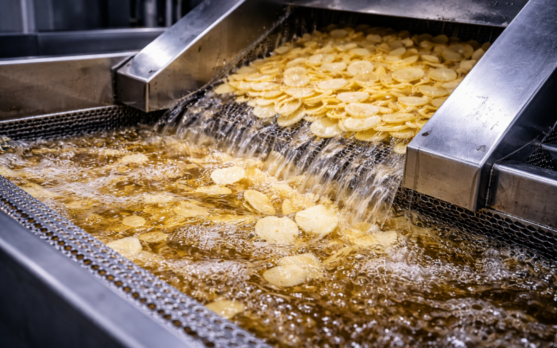
The potato used to have a simple job in frozen food: become a fry, fill the side plate, behave in the fryer, disappear under salt. That job has not gone away. But walk the freezer aisle now, or sit through a foodservice range review, and the potato is being asked to do much more: snack like a crisp, cook like a fast meal, hold like a delivery product, look premium on a burger plate, carry seasoning, survive the air fryer and still cost little enough to sell.

The potato is being stretched beyond the side dish
French fries still carry the category. No buyer should pretend otherwise. They have the scale, the habit, the QSR logic and the consumer memory. But the value around frozen potato is moving into the edges: shapes, coatings, seasoning, snack formats, loaded bites, breakfast pieces, sharing packs and air-fryer products that promise crispness without the mess of deep frying.
That shift is not cosmetic. It changes how processors think about the product. A straight-cut fry is mostly judged on length, colour, texture and consistency. A snackable potato bite has to deal with filling, coating, cook time, bite size, freezer stability and whether the consumer sees it as a side, appetizer or small meal. A seasoned wedge has to deliver flavour without locking the operator into one narrow use. A premium coated fry has to justify its price when regular fries are sitting nearby.
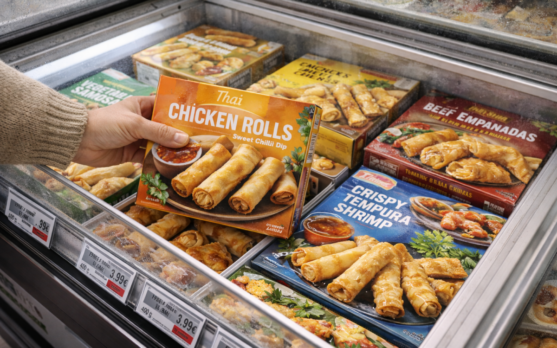
The freezer aisle has become a small theatre of potato reinvention. There are still value bags for family meals, but beside them sit products designed for air fryers, spicy snacks, pub-style sides and sharing occasions. The consumer may not use the word “format”. Retailers do.
Crunch has become the new product promise
Texture is now doing a lot of commercial work. Crispness used to be a foodservice expectation. Now it is printed into retail language and built into the product brief. The air fryer has raised the bar because it has made consumers believe they can get something close to restaurant texture at home, quickly, from frozen.
That has consequences for manufacturers. A product that says “air fryer” and comes out limp will not get many second chances. The cut, surface treatment, coating, dry matter, pre-fry, oil level and instructions all matter. It is no longer enough for the pack to add an air-fryer icon. The product has to be engineered for that appliance.
McCain’s Quick and Crispy range in the United States and its air fryer communication in Canada and the UK show how central this message has become. The selling point is not novelty for its own sake. It is speed plus crunch. Frozen potato is being pulled into the same impatient rhythm as other convenience foods: short cook, hot result, little cleanup.
In foodservice, crunch is even more demanding. Delivery changed the meaning of a good fry. A product that leaves the kitchen crisp but arrives tired damages the operator, not just the supplier. Coatings that hold texture for longer are not decorative. They are insurance against a customer opening a box after 20 minutes and deciding the meal was poor.
Seasoning moves potatoes into snack language
Seasoning used to sit politely on the side of the category. Salted fries. Maybe paprika wedges. Maybe a spicy SKU for foodservice. That has changed. Frozen potato is borrowing more heavily from snacks, where flavour does the first piece of selling before the product is even cooked.
Agristo’s consumer work points to a clear appetite for stronger seasoning and better crunch among frozen potato buyers, especially in mature markets. That fits what retailers already know from the snack aisle. A familiar base with a sharper flavour can pull trial without asking the consumer to take a large risk.
Goodrich Cereals’ flavour-infused frozen fries in India, with variants such as Onion Chilli, Classic Salted and Oregano, show one direction. McCain Vibes in the UK shows another: a hybrid potato product positioned somewhere between crisps and chips, with Salt & Vinegar and Firecracker Chilli style seasoning. The language is not traditional potato language. It is sharing, snacking, crowd-pleasing, bold flavour.
There is a limit. Seasoning can make a product distinctive, but it can also narrow its use. A heavily flavoured fry may work as a snack or sharing product, while becoming less useful beside a steak, burger or children’s meal. The better products understand the occasion. They are not just louder. They know where they belong.
Shape has become part of the commercial offer
The shape of a potato product now carries commercial meaning. Spiral fries, curly cuts, three-sided fries, crinkle cuts, lattices and skin-on wedges do more than look different. They help a menu or freezer shelf escape the boredom of another straight strip.
Lamb Weston’s Frenzy Fries are a useful example because the product is not sold only as a fry. It is sold as a sensory experience: three-sided, skin-on, crisp at the edges, built to look and eat differently. In a crowded pub, casual dining or burger menu, that kind of shape gives the operator a reason to trade up rather than simply ask for a cheaper case.
McCain SuperSpirals work in a similar territory. The spiral cut has a playful value that standard fries do not. For retail, it gives the freezer shelf movement. For foodservice, it creates a side dish that looks less generic without forcing the kitchen to learn a new process.
Shape is not free. It can affect yield, breakage, packaging, cooking behaviour and line efficiency. A product that looks exciting but breaks too easily or creates poor case yield becomes a headache. The strongest format innovation gives the buyer a visible difference without punishing the factory or the kitchen.
Potato bites move the category into snack and appetizer territory
The snackable potato product may be the most useful area to watch. Not because it will replace fries. It will not. But because it gives potato a way into occasions that fries do not always own: party food, after-school snacks, breakfast plates, small meals, sharing boards, freezer-to-air-fryer grazing.
Loaded potato bites are a clear example. Potato, cheese, bacon-style fillings, chives, sour cream flavours, crispy coatings. They bring the baked potato, the appetizer and the frozen snack into one format. Kroger and Stouffer’s products show how familiar this idea has become in retail. In the UK, hash brown bites and chicken-shop-inspired potato bites show how breakfast, takeaway culture and frozen snacking can overlap.
These formats matter because they stretch the potato into higher-value moments. A family may buy fries as a side dish. A loaded bite can be bought as a snack, a party product or a quick lunch component. That changes the pricing conversation and the packaging brief.
The manufacturing is less forgiving. Filled or formed products add formulation cost, coating complexity, portion control, filling stability and cooking-performance risk. A weak fry is disappointing. A filled bite that leaks, dries out or cooks unevenly feels broken. The more the potato is rebuilt, the more precise the factory has to be.
The harder job is managing complexity
There is a danger in mistaking activity for progress. More SKUs do not automatically make a stronger category. A processor can fill a brochure with seasoned, shaped, coated and snackable products while creating headaches for planning, changeovers, packaging, raw material use and sales focus.
The better operators will think in platforms. A core fry platform. A coated-delivery platform. A snackable formed platform. A breakfast potato platform. An air-fryer retail platform. From there, flavour, shape and pack size can change without every SKU becoming a separate factory problem.
Retailers will also become more selective. They want products that create visible difference, but they still need freezer space to work. A fun potato product that sells for six weeks and then dies becomes clutter. A product that brings repeat purchase, works in the air fryer and gives the retailer a reason to defend a premium price has a better chance.
Foodservice will be just as strict. Operators like novelty until it slows the kitchen, confuses staff or fails in delivery. The most valuable potato innovation will be the kind that gives the customer a better eating experience while making the operator’s life easier, not harder.
The potato has always been flexible. What is changing is the commercial pressure placed on that flexibility. It must now be cheap and premium, familiar and new, fast and crisp, snackable and meal-worthy. The category can handle some of that. It cannot handle lazy novelty for long.