A prebiotic soda can win the social-media moment, but the harder test sits in a weekly grocery basket: a frozen lunch eaten at work, a smoothie kit pulled out before school, a high-protein meal bought by someone eating less, a dessert that wants to sound better for you without pretending to be medicine. Gut health has become a product-design pressure. Frozen food can benefit from it, but only if the claim survives the freezer, the ingredient list, the regulator and the second purchase.

The drink aisle made the claim visible
Functional beverages have done something frozen food should study carefully. They made gut health feel casual. Not clinical. Not hidden in a supplement bottle. A can of prebiotic soda is easy to understand, easy to try, easy to photograph, and simple for a retailer to place in a premium fixture.
The acquisition of Poppi by PepsiCo and the launch of Coca-Cola’s Simply Pop under the Simply brand showed how quickly gut-health language moved from niche wellness into mainstream beverage strategy. That does not mean frozen food should copy the drink aisle. In fact, that may be the wrong lesson.
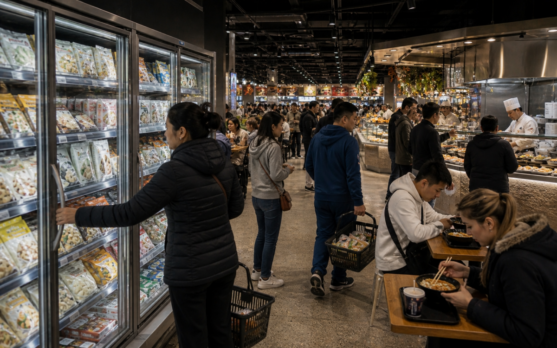
Beverages can carry a simple promise on the front of pack. Frozen meals, snacks, bakery and desserts have a different job. They sit in a freezer case where shoppers are already balancing price, convenience, portion size, taste, family acceptance and cooking time. A gut-health message has to earn its place there. It cannot float above the product as a wellness sticker.
The freezer case is less forgiving than a trendy beverage shelf. A shopper may try a soda for novelty. A frozen meal has to work on a Tuesday night.
Frozen food has a credibility problem to solve
Gut health is attractive because it touches several consumer concerns at once: digestion, immune support, energy, weight management, comfort and everyday wellbeing. That breadth is useful commercially. It is also dangerous. The wider the promise becomes, the easier it is for the claim to sound vague.
Frozen food has to be especially careful. The category still carries old assumptions in many markets: convenient, processed, sometimes indulgent, sometimes cheap, sometimes heavy on salt or refined carbohydrates. Those assumptions are not always fair, but they are present in the buyer’s mind and in the consumer’s freezer door decision.
A frozen product that talks about gut health while looking nutritionally ordinary will struggle for trust. A pizza with a token fiber addition will not become a credible digestive wellness product. A ready meal with vegetables, legumes, whole grains, meaningful fiber, good protein and sensible sodium has a better case. The difference is not wording. It is architecture.
Retailers will notice that difference. A private-label buyer may like the search volume around gut health, but the buyer also knows how quickly a weak claim can turn into a complaint, a legal review or a product that sells once and then sits.
Fiber and protein are the realistic entry points
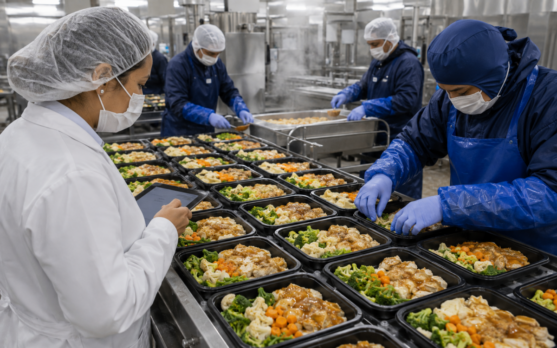
The strongest route for frozen food is not to start with dramatic microbiome language. It is to start with ingredients that make sense in meals people already eat.
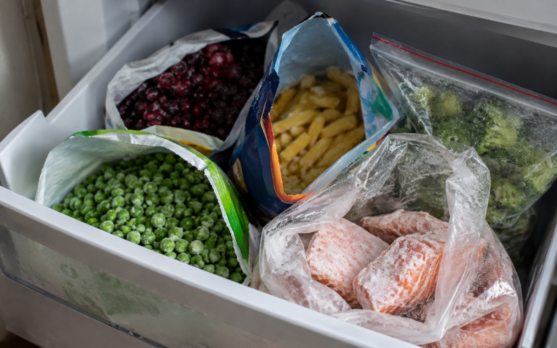
Fiber is the obvious foundation. Frozen bowls with beans, lentils, chickpeas, vegetables, whole grains and resistant starch have a more credible gut-health story than products that rely only on added prebiotic powder. Smoothie kits can use fruit, vegetables, seeds and added fiber without making the format feel forced. Frozen bakery can work with whole grains, sourdough cues, seeds and fiber enrichment, although taste and texture will decide whether anyone comes back.
Protein matters too, especially as weight-management medicines reshape eating habits. Some consumers are eating smaller portions and paying more attention to satiety, muscle maintenance and nutrient density. Frozen food is well placed here because portion control is already part of the format. A smaller, protein-rich meal with fiber and vegetables may be more useful than a large tray carrying a louder claim.
There is room for fermented dairy and frozen dessert formats, but the science and processing questions are more demanding. If a product claims probiotic benefit, the strain, dose, survival through processing, storage and consumption all matter. Freezing may help stability in some cases, but it does not turn a vague live-culture message into a substantiated claim.
Postbiotics may become interesting because they can be more stable than live cultures, but the same discipline applies. A fashionable ingredient is not enough. The product needs evidence, a legal claim route and a reason to exist in the freezer beyond a trend label.
The claim has to survive regulation, not just marketing
Gut-health language is entering a more serious phase. The Poppi litigation and settlement around gut-health claims did not kill the prebiotic soda category. It did something more useful for the food industry: it reminded brands that consumer-friendly language still has to withstand scrutiny.
That lesson matters for frozen food. “Immune boosting” is the kind of phrase that may feel strong in a headline and weak in a regulatory review. “Supports immune function” may still require careful conditions, depending on the ingredient, market and claim framework. In the European Union, nutrition and health claims operate under a defined legal structure. In the U.S., the line between structure/function language, implied claims and consumer interpretation can still create exposure.
Processors should not leave this conversation to marketing at the end of development. Claims strategy belongs early in formulation. If the product needs to be a source of fiber, the recipe has to deliver. If the claim depends on vitamin D, zinc, live cultures or a specific prebiotic, the dose, serving size and substantiation have to line up. If the product will be sold across multiple markets, the weakest jurisdiction can shape the front of pack.
The freezer case does not need more wellness decoration. It needs claims that survive a buyer meeting.
GLP-1 eating habits will make the category more interesting
The GLP-1 effect is not only a pharmaceutical story. It is becoming a food-design story. Many consumers using or leaving weight-management medication are thinking more carefully about protein, fiber, portion size, digestive comfort and smaller meals. Frozen food should pay attention because it already solves one part of the problem: controlled convenience.
A shopper eating less does not necessarily want less value. They may want a meal that feels efficient: enough protein, enough fiber, vegetables that do not require prep, a portion that does not feel punitive, and a texture that still feels like food rather than a diet product from another era.
This may create space for frozen meals that are smaller but better built, not simply lower calorie. It may also support breakfast items, snackable frozen formats, smoothie kits and high-protein frozen lunches. The commercial risk is obvious. If the product tastes like a compromise, the claim will not save it.
Retailers have seen enough better-for-you products fail because they were designed for the label before the eating occasion. Gut health cannot become another version of that mistake.
The freezer case will reward practical functionality
The next phase will be less about adding a claim and more about making the product feel useful. A frozen smoothie kit with berries, greens and fiber has an intuitive place in the morning routine. A vegetable-rich frozen bowl with legumes, whole grains and protein can fit lunch. A frozen yogurt-style dessert with a careful live-culture or postbiotic story may work if the sensory quality holds. Frozen bakery with fiber has a chance if texture is protected.
Some formats will look awkward. A heavily indulgent product trying to wear a gut-health badge may feel cynical. So will products that add a small amount of fiber while keeping the rest of the recipe unchanged. Consumers have become better at detecting thin wellness language, and buyers have become better at asking what the claim really means.
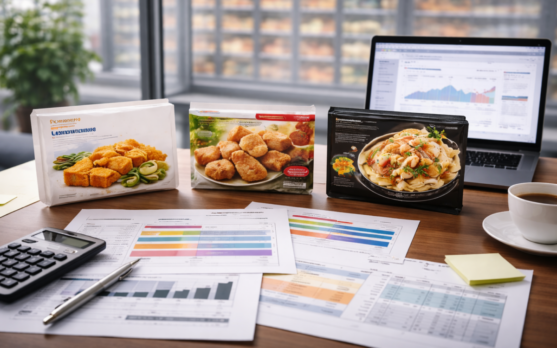
For frozen manufacturers, the practical questions are sharper than the trend headlines. Can the ingredient survive processing and storage? Does the claim still hold at end of shelf life? Does the product taste good after freezing and reheating? Does the format justify a premium? Can the retailer explain it in two seconds at the shelf edge?
Short term, functional beverages will keep leading the noise. Frozen food will move more carefully. Medium term, the opportunity should grow in high-fiber meals, protein-fiber combinations, smoothie kits, better-for-you snacks, frozen bakery and dessert formats with credible formulation. Longer term, the more serious players will move toward product design that is microbiome-aware without sounding medical.
That is the point frozen food should take from the gut-health boom. The market does not need every freezer door to become a wellness clinic. It needs products that make nutritional sense in real eating habits.