Clean label sounds simple until the meal is frozen, stored, shipped, thaw-abused, microwaved and judged under a supermarket light by someone who wants a short ingredient list but still expects the sauce to hold, the coating to crisp, the vegetables to look alive and the price to stay ordinary.

The freezer is a hard place to make promises
Clean label has always had a soft edge in consumer language. Simple ingredients. No artificial colors. No preservatives. Real food. Fewer things that sound chemical. In chilled categories, those promises can already be difficult. In frozen food, they become much less forgiving.
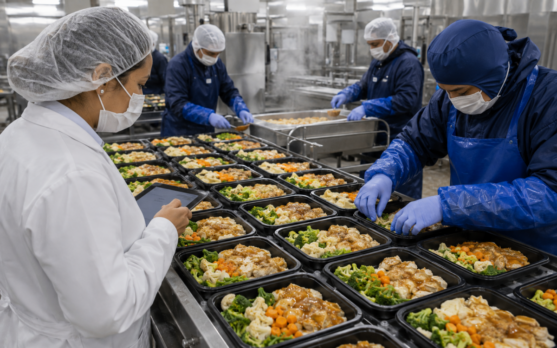
A frozen meal does not only need to look good when it leaves the factory. It has to survive weeks or months in storage, distribution through cold rooms and trucks, freezer cabinets with uneven traffic, and the final violence of a microwave or air fryer. Water moves. Sauces split. Starches weaken. Coatings soften. Proteins dry out. Vegetables release moisture into places where the product developer hoped they would not.
That is the part of clean label that rarely fits on a pack front. Many of the ingredients shoppers dislike have been used because they do work. Stabilizers, modified starches, gums, emulsifiers, phosphates and acidity regulators often sit in the formula because frozen food is a hostile format. Removing them may make the ingredient list friendlier. It can also make the product worse.
The better clean label conversation in frozen food is not about moral purity. It is about function. What did the removed ingredient do? What replaces it? Does the product still eat well after freezing and reheating? Can it hold specification at scale? Can the supplier do it without turning a mid-market meal into a premium-only item?
Natural is not enough
The word "natural" has carried too much weight for too long. In the United States, FDA has not established a formal regulatory definition for the term. Its longstanding policy is narrower, focused on whether artificial or synthetic ingredients have been added in a way consumers would not normally expect. That leaves plenty of commercial space between legal language, shopper perception and technical reality.
Europe gives the industry more structure around additives. Ingredient lists must generally show the functional class, such as emulsifier or preservative, together with the additive name or E-number. Technically, that is transparency. Commercially, it can still look alarming to a shopper who has learned to read E-numbers as a warning sign, even when the ingredient is authorized and safe within its conditions of use.
EFSA's 2025 Eurobarometer showed how visible this has become. Additives used in food and drinks were among the best-known food safety topics in the EU, and additives and ingredients appeared spontaneously among consumer concerns. That does not mean consumers understand every stabilizer or thickener. It means the back of pack is no longer a quiet technical document.
Retailers know it. So do private-label teams. So do suppliers trying to keep a product listed without making it collapse in the reheating bowl.
Sauces expose weak reformulation first
If there is one place where clean label reformulation gets caught quickly, it is the sauce. In frozen ready meals, sauce is not decoration. It carries flavor, moisture, aroma, visual appeal and often the sense that the meal is generous enough. A dry rice bowl or pasta tray can be saved by a good sauce. A separated sauce ruins even a decent base.
Freeze-thaw stability is the quiet technical battle behind many clean label frozen meals. A creamy sauce has to resist syneresis. A tomato sauce has to keep body without tasting gummy. A curry has to hold spice, fat and water together. A gravy has to survive reheating without becoming thin at the edges and pasty in the center.
Ingredient companies have built large parts of their clean label portfolios around this exact problem. Functional native starches, clean label starch systems and plant-based texturizers are being sold not as decoration, but as replacements for functions once handled by more controversial or less label-friendly ingredients. The promise is familiar: viscosity, stability, texture, better freeze-thaw performance. In the factory, that promise is tested with real abuse, not brochure language.
A product developer reformulating a frozen lasagna, a chicken curry or a macaroni meal may be asked to remove a modified starch, reduce sodium, keep the same cook instruction, protect mouthfeel, avoid a price increase and pass sensory testing against the old version. That is not a brand refresh. It is a small engineering project with a shopper-facing name.
Coatings, crispness and the fight against water
Coated frozen products make the problem even more visible. Nuggets, coated vegetables, potato snacks, chicken bites, mozzarella sticks, plant-based pieces and air-fryer appetizers all depend on a surface that performs. The consumer does not buy a coating system. They buy crunch.
Clean label can disturb that system. Some ingredients support adhesion. Others help browning, oil control, moisture resistance or texture after reheating. Change the formula and the coating may look paler, detach from the filling, soften too quickly or fail in the air fryer. The failure is immediate and physical. No shopper needs a technical explanation when the coating slides off or turns leathery.
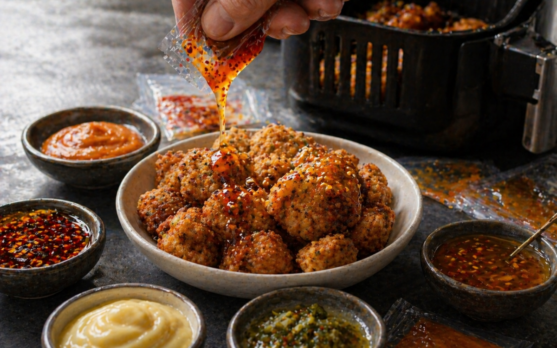
The rise of the air fryer has made this more important. Frozen snacks and sides now compete on the promise of crispness at home, often with less oil and shorter cook times. That leaves less room for weak reformulation. A cleaner label that damages bite, color or hold time will not survive long, especially in private label where comparison against national brands is close and brutal.
Water migration is the enemy running through all of this. It moves from vegetables into coatings, from fillings into pastry, from sauces into starch bases, from ice crystals into texture complaints. Clean label frozen food is often a controlled argument with water.
Sodium is the uncomfortable companion
Clean label is often treated as if it automatically means healthier. It does not. A frozen meal can have a shorter ingredient list and still carry too much sodium, too little fiber, weak protein, poor vegetable content or a portion that disappoints.
Sodium is especially difficult because salt does more than make food salty. In sauces and prepared meals, it rounds acidity, supports umami, suppresses bitterness and gives body to flavors that otherwise feel thin. Reduce it sharply and the meal may taste flatter, sharper or oddly unfinished. Replace it badly and the ingredient list can become longer again.
That tension is becoming harder to avoid. FDA's voluntary sodium reduction targets and WHO's global sodium benchmarks keep pressure on processed, packaged and prepared foods. Frozen meals sit directly in that conversation. They are convenient, portioned and increasingly health-positioned, but they are also expected to taste complete after five minutes in a microwave.
The strongest clean label frozen products will have to handle both questions together: can the label become cleaner while the nutrition profile becomes more credible? Removing artificial colors or a disliked preservative is useful. It is not enough if the sauce leans on salt to hide the damage.
Retailers are turning clean label into a listing discipline
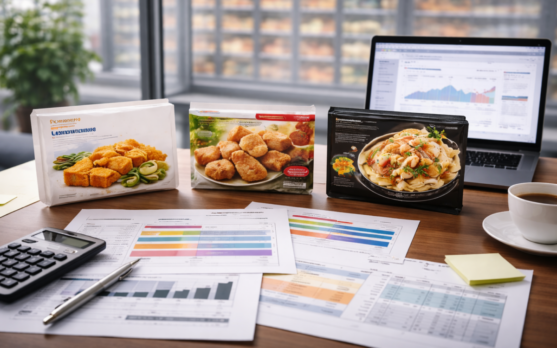
The most important shift is happening at retail level. Clean label is no longer only a premium-brand claim. It is moving into private-label standards, supplier requirements and category reviews.
Whole Foods Market has long used ingredient standards as part of its retail identity, banning more than 300 ingredients from foods it sells. Walmart has said it will remove synthetic dyes and more than 30 additional ingredients from U.S. private brand foods by January 2027, while keeping taste and quality expectations intact. ALDI has announced the removal of 44 more ingredients from its private-label assortment by December 2027, taking its restricted list to 57.
That changes the balance of power. If a retailer demands a cleaner formulation for private label and expects the same low price, the technical and commercial burden moves down the chain. Suppliers have to reformulate, validate, source alternatives, protect sensory quality and manage cost. There is little glamour in that work. There is also little choice.
For national brands, the pressure cuts another way. If private label becomes cleaner by default, clean label loses some of its premium shine. The branded product then has to prove more: better recipe, better texture, better nutrition, better cuisine, better experience. A shorter ingredient list alone will not defend a higher shelf price when the store brand is making similar claims one door away.
The freezer aisle will be a harsh judge. Shoppers may say they want simple ingredients, but they still punish watery sauces, pale coatings, rubbery proteins and meals that feel smaller than the price suggests. Retail buyers know that, which is why the serious clean label brief is no longer just "remove these ingredients." It is "remove them without breaking the product."
The products that will last
Over the next two years, the most visible reformulation will come from private label, family meals, children's products, snacks, sauces and coated items. These are the products where artificial colors, certain preservatives, sweeteners, stabilizers or long technical ingredient lists are easiest to challenge and hardest to remove cleanly.
By 2030, clean label in frozen food will probably feel less like a special claim and more like an expected standard in many categories. That does not mean every ingredient list will become short or rustic. It means every technical ingredient will need a better reason to be there, and every replacement will need to prove its performance.
The long-term opportunity belongs to companies that understand clean label as product architecture. They will choose stabilizing systems around the sauce, the starch, the protein and the reheating method. They will decide where sodium can be reduced without damaging taste. They will protect coatings against moisture instead of hoping the air fryer rescues them. They will know when a natural color works and when it creates new problems.
The weak products will be easy to spot. They will sound cleaner than they eat. The strong ones will be less theatrical. They will simply hold together, taste right, meet retailer standards and make the shopper forget that reformulation ever happened.