A seasonal pastry usually looks best on the sample table. The filling is glossy, the icing is neat, the pack has just enough autumn or holiday colour, and everyone in the room can imagine it in the cabinet. Then the buyer asks the question that kills weak ideas quickly: what comes out to make room for it? In frozen bakery, a limited-time offer is never only a flavour. It is a production slot, a freezer-space bet, a forecast risk and a product with a very short commercial mood.
The sample tray is the easy part
Seasonal bakery has a talent for making business people behave like shoppers for a few minutes. Put warm apple, cinnamon, cranberry, chocolate-orange or gingerbread on a tray and the room softens. Someone says it smells like Christmas. Someone else asks whether the glaze could be a little more premium. The commercial discussion starts gently.
It rarely stays there.
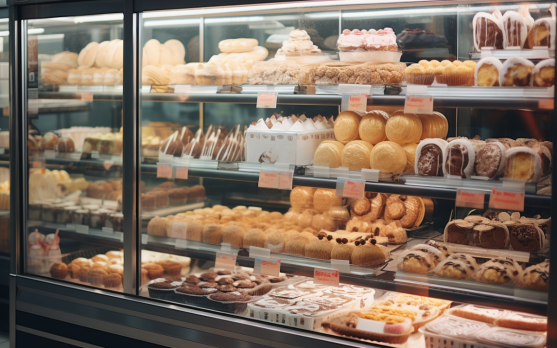
Frozen bakery is unforgiving because the product is not sold from a charming counter with a baker behind it. It sits behind glass, in a cabinet where space is tight and every extra facing has to be earned. A pumpkin swirl, a cranberry puff or a maple pecan roll is not an innocent addition. It interrupts the range. It asks for room that could have gone to a permanent bread, a dessert line, a pizza base, a snack SKU or a private-label product with known rotation.
That is where many seasonal launches become weaker than they looked in development. The flavour is ready. The calendar is not.
A proper frozen bakery LTO starts months earlier, sometimes while the previous season still has stock in the system. Recipe approval, ingredient buying, packaging artwork, production allocation, allergen checks, freezing capacity, case configuration, transport, store listing and promotional timing all have to move together. The consumer sees the pastry. The supplier sees a gantlet of small decisions that can damage margin before the first pack is sold.
Fall and winter still do the heavy lifting
The strongest seasonal windows remain autumn and winter. They are easier to read. Apple cinnamon does not need a campaign to explain itself. Gingerbread has its own memory. Chocolate-orange, peppermint, cranberry and spiced caramel already belong to the colder months. They carry permission for indulgence, and frozen bakery needs that permission.
There is a practical reason too. In colder months, shoppers are more willing to buy bake-at-home, shareable and comfort-led products. The freezer becomes part of hosting, breakfast planning, holiday meals and last-minute entertaining. A box of seasonal pastries can solve a small household problem. A tray of bake-off rolls can help a cafe change the look of the counter without changing the kitchen.
The mistake is to stretch the mood too far. Pumpkin is powerful, but it has a narrow emotional window in many markets. Peppermint chocolate feels festive until it suddenly feels late. Cranberry-orange can move well around winter holidays, then lose relevance fast. Frozen shelf life may be long, but consumer patience is not.
Retailers know this better than suppliers sometimes admit. A seasonal SKU that misses its peak week is not simply delayed. It becomes harder to sell, harder to promote and harder to defend in the next review.
The freezer has no spare space
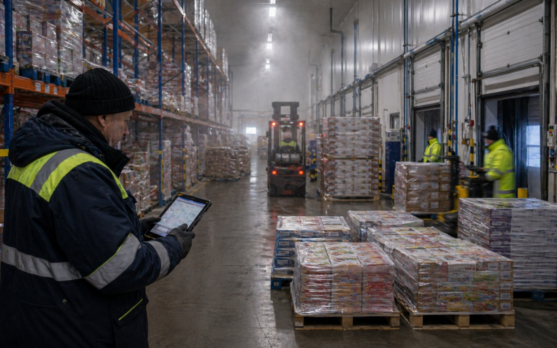
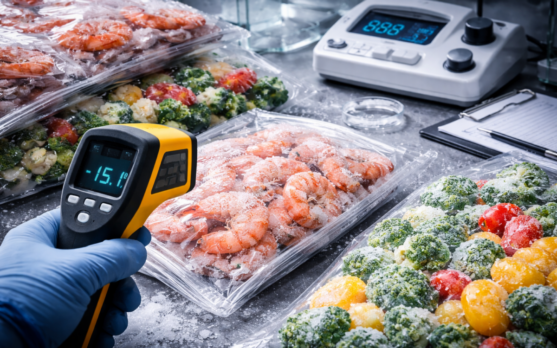
Frozen bakery people sometimes talk about LTOs as if the cabinet can stretch. It cannot. A supermarket freezer is a fixed piece of commercial real estate, with high running costs and a cold discipline of its own. Every new pack has a consequence.
That consequence may be visible. Fewer facings for a core product. A permanent SKU pushed down to a weaker shelf. A promotion moved to a different week. It may also be hidden in the back room, where store teams deal with cartons that do not move as quickly as the launch forecast promised.
A seasonal pastry that sells well can make the category feel alive. One that sells slowly becomes frozen decoration.
This is why buyers are often less excited than suppliers expect. They have seen too many seasonal items arrive with good photos, soft claims and weak sell-through logic. They have also seen products hang around after the mood has gone. Nothing ages faster in a freezer than a seasonal pack after the season has passed.
There is a cold irony here. The technical strength of frozen food, long storage, can become a commercial weakness. In fresh bakery, a mistake disappears quickly. In frozen, it stays on the books.
The factory pays for the idea first
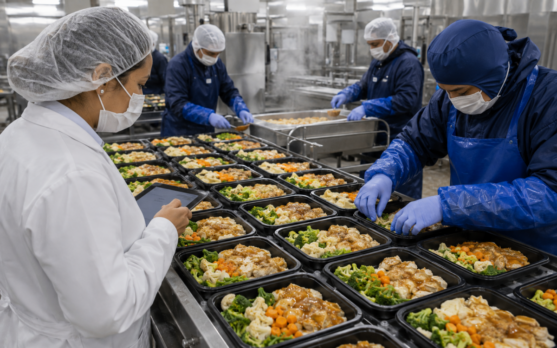
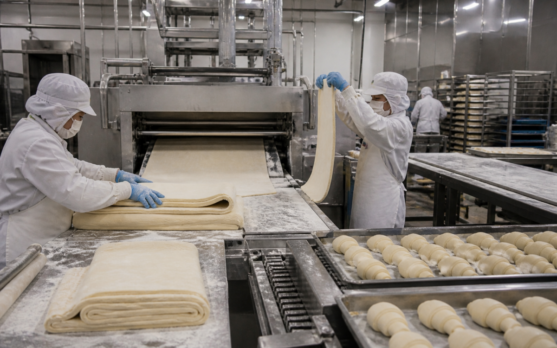
Before a seasonal frozen bakery product has a consumer, it has already consumed capacity. Dough preparation, lamination, depositing, proofing, baking, freezing, packing, boxing and storage all need time. If the item uses a special filling or topping, the line may need extra changeover. If it carries nuts, dairy, chocolate, seeds or seasonal decorations, the production plan becomes more delicate.
Factories do not live in the same world as marketing calendars. They live by line speed, labour availability, waste, cleaning time, freezer load and the painful reality that a seasonal order can land exactly when permanent demand is also high.
The best seasonal bakery platforms respect that. They do not reinvent the product every time. They use a known dough, a proven format, a controlled filling system, a topping or icing change, perhaps a new pack. That may sound less creative on a presentation slide. It is often the difference between a clever LTO and a costly disruption.
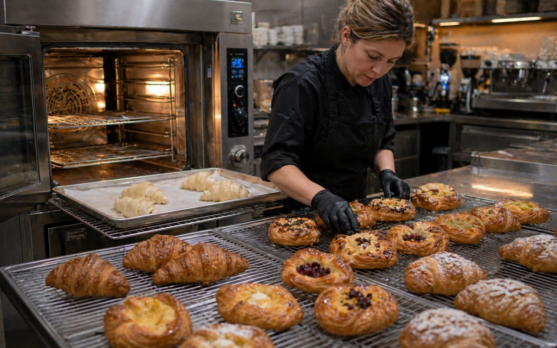
Foodservice has its own version of the same issue. A hotel, cafe or convenience operator wants seasonal bakery that staff can handle without drama. Bake from frozen. Finish cleanly. Hold reasonably well. Look good after service has started. The operator is not buying the romance of a winter flavour. They are buying a product that will still look acceptable at 10:30 in the morning.
Forecasting is where the romance ends
The most dangerous number in a seasonal frozen bakery launch is not the price. It is the volume.
Order too little and the product sells out before the calendar has done its work. That sounds like success until the retailer asks why the line could not support the promotion. Order too much and the product becomes a slow, cold reminder of overconfidence. Cases sit in storage. Promotions become markdowns. The commercial team starts looking for secondary outlets.
Seasonal out-of-stocks hurt because the demand cannot be recovered neatly. A shopper who wanted holiday pastries in December does not feel the same urgency in January. A cafe that planned a limited winter breakfast offer cannot rebuild the moment after the menu has changed. The calendar does not wait for replenishment.
Overstock is quieter, but usually more damaging. It ties up working capital and freezer capacity. It also damages trust. A retailer may tolerate one miss if the product had clear upside. Repeated misses make the seasonal slot smaller the following year.
Better suppliers will become more cautious here, not less ambitious. They will test regionally, stage production, build tighter reorder points and agree exit plans before launch. Some seasonal ideas deserve a national push. Many deserve a controlled trial and a hard look at the numbers.
The strongest LTOs behave like platforms
The next useful stage for seasonal frozen bakery is not more random flavours. It is better platform thinking.
A croissant base can carry apple cinnamon in autumn, chocolate-orange in winter and berry cream in spring. A frozen cinnamon roll can move through pumpkin spice, maple pecan and salted caramel without changing the whole manufacturing system. A premium bake-off pastry can use the same dough architecture while the filling and finish do the seasonal work.
Retailers understand this because it gives them rhythm without chaos. Shoppers see novelty. Factories keep control. Category managers know which slot is seasonal and which products are protected. If the platform works, the seasonal product becomes an annual appointment rather than a one-off gamble.
There is also a branding advantage. A seasonal slot that returns with discipline can train the shopper. The range starts to feel curated. The cabinet changes just enough. Not wildly. Not randomly. Enough to make the visit feel current.
Frozen bakery needs more of that restraint. The category already has enough products that sound seasonal and behave like leftovers. The better commercial move is sharper timing, fewer weak launches and more products built around an honest answer to one question: will this still deserve space in week three?