An eye-health frozen meal sounds attractive until someone in the room asks what the pack is actually allowed to say. Spinach, kale, carrots, berries and omega-3 ingredients can make a product feel nutritionally credible, and they are easy for shoppers to recognise in the tray. But the moment a meal starts promising better vision, protection, disease prevention or anything close to medical benefit, the conversation leaves food marketing and enters a far less forgiving space.

Eye health belongs in functional nutrition, not medical theatre
Frozen food can carry functional nutrition well. That is one of its underrated strengths. Vegetables, fruit, fish, grains, pulses and prepared meal components can be portioned, stored, blended and made available all year. The freezer is good at consistency, and consistency matters when a product is built around nutrient-rich ingredients.
Eye health, though, is a sensitive territory. It is close enough to supplements, aging, macular degeneration and clinical nutrition that careless language can quickly make an ordinary meal sound like a health intervention. That is not where most frozen brands should want to be.
The safer commercial opportunity is more modest and more useful: food-first products that use visible, familiar ingredients associated with good nutrition. A bowl with leafy greens and orange vegetables. A vegetable side with spinach and carrots. A soup based on pumpkin or sweet potato. A meal with salmon or another omega-3 source where the category and market allow it. A berry breakfast format. These products do not need to sound like ophthalmology.
The freezer can participate in the eye-health conversation. It should not pretend to be an eye clinic.
The strongest claim may be the ingredient shoppers can see
There is a reason carrots, spinach, kale and berries appear so often in health-oriented product language. They are legible. A shopper may not know the details of lutein, zeaxanthin, beta-carotene or vitamin A metabolism, but they understand that dark greens and orange vegetables carry nutritional value.
That visibility is valuable. It reduces the need for aggressive wording.
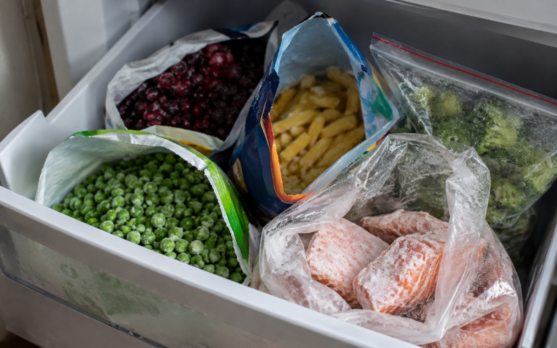
A frozen side with good spinach, carrots and peas can say a lot without saying too much. A meal with a proper portion of leafy greens looks different from one that hides a few flecks under sauce. A berry-based breakfast product has a more natural antioxidant cue than a highly processed dessert trying to borrow the language of wellness.
Ingredient recognition also helps frozen food avoid one of the common traps of functional nutrition: sounding artificial. If the benefit depends on a long explanation, the shopper may not trust it. If the benefit is visible in the meal, the product can stay closer to food and further from supplement-style messaging.
That does not remove the need for proof. A visible ingredient is not the same as a permitted health claim. But in retail terms, it gives the product a calmer way to communicate.
Lutein, zeaxanthin and vitamin A need careful handling
Lutein and zeaxanthin are attractive words for anyone working around eye-health positioning. They are associated with the retina and macula, and they sit naturally in discussions around leafy greens, egg yolk and certain functional ingredients. The problem is that consumer recognition is uneven, and regulatory comfort depends on the exact claim, market, dose and substantiation.
For frozen meal developers, the lesson is plain. Do not use nutrient names as a shortcut to a vision promise. A product can be made with spinach. It can be a source of vitamin A if it qualifies. It can contain colourful vegetables. But saying or implying that the meal protects vision, improves sight or helps prevent eye disease is a very different matter.
Vitamin A is a more familiar case because some markets permit carefully worded claims around normal vision when conditions are met. Even there, the detail matters. The product has to qualify as a source of the nutrient in the serving sold, not merely include an ingredient that consumers associate with the nutrient.
There is a large difference between "made with carrots and spinach" and "supports eye health." The first is an ingredient statement. The second can become a health claim. That gap is where brands get into trouble.
Frozen can support consistency, but it cannot simplify the science
Frozen fruits and vegetables can make functional meal design easier in some respects. They give manufacturers access to consistent ingredients outside short seasonal windows. They can reduce waste. They can support portion control. They also allow brands to build meals, sides and breakfast formats around ingredients that might be expensive, perishable or inconsistent in fresh form.
But frozen should not be oversold as a nutrient-preservation miracle. Nutrient retention depends on crop, processing, blanching, storage, cooking and final preparation. A frozen spinach component, a carrot puree, a berry mix and a reheated vegetable side will not all behave the same way.
This is where experienced product development matters. If a meal is positioned around nutrient-dense ingredients, the recipe has to protect more than the marketing story. Cut size, blanching, sauce design, fat source, cooking instructions and reheating behaviour all influence the final eating experience. A tray of dull, waterlogged vegetables does not feel functional, even if the ingredient list is respectable.
Functional nutrition is not only ingredient selection. It is recipe architecture.
Retail will use eye health as a secondary cue
Eye health is probably too narrow to become a major freezer destination on its own. Most shoppers do not enter the frozen aisle looking for a "vision meal." Retailers know that. The better role for eye-health language is as a secondary cue inside broader product platforms: vegetable-rich meals, active-aging nutrition, omega-3 meals, high-colour vegetable sides, soups, breakfast fruit formats and balanced single-serve trays.
That makes the claim strategy more important, not less. If eye health sits too loudly on the front of pack, the product may feel medical and limit its audience. If it sits quietly behind visible ingredients and permitted nutrition language, it can add credibility without making the meal awkward.
Retail buyers are likely to be cautious. They have seen the growth of functional claims across immunity, gut health, brain health and metabolic wellness. They also know that exaggerated claims can create legal review, consumer scepticism and packaging revisions. A frozen food SKU has enough to prove already: taste, price, texture, margin, shelf space and repeat purchase.
Eye-health positioning should help the product. It should not become the product's burden.
Food-first functional meals have the better future
The most credible future for eye-health frozen foods is not a row of products that look like supplements in trays. It is ordinary food made with more deliberate ingredients and more disciplined language.
A green vegetable side with carrots. A lentil and spinach bowl. A pumpkin soup. A meal with fish, vegetables and a grain base. A berry breakfast cup. A vegetable-rich pasta or risotto where the colour in the tray actually matches the pack promise. These are not dramatic products. That may be their advantage.
Functional nutrition works best in frozen when the meal still feels like dinner, lunch, breakfast or a side, not a clinical project. The product has to taste good. The sauce has to hold. The vegetables have to look alive after heating. The portion has to be meaningful enough for the ingredient story to feel honest.
The industry should be ambitious here, but careful. Eye health is a useful nutrition theme. It is also a claim-sensitive one. The strongest products will let the food do most of the talking.