Cricket protein has spent years looking convincing in sustainability decks and much less convincing in front of a shopper with a freezer door open. That is the part the early enthusiasm often skipped. A buyer may listen to the land-use argument, the protein-density argument and the circularity argument. Then the product has to sit beside chicken nuggets, fries, pizza, plant-based patties and family meals, with a price, an allergen warning and a word on the pack that many consumers still do not want near dinner.
The green argument is not the hard part
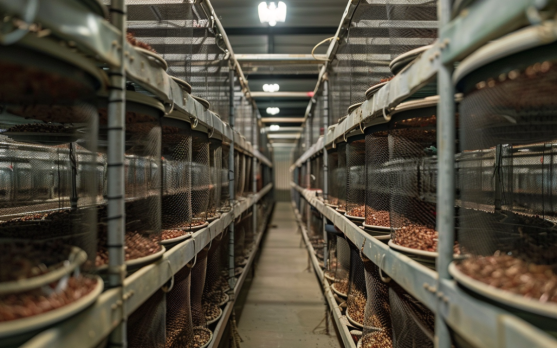
The case for cricket protein is not difficult to understand. Insects can be farmed in controlled spaces. They can convert feed into protein efficiently. They can be processed into powders and flours. They carry a sustainability story that is easier to tell than many other alternative proteins.
That is why the category attracted startups, investors and food-tech attention. Companies such as Ento helped make edible insects visible beyond academic reports and novelty tastings. The basic promise was tidy: more protein, fewer resources, a smaller environmental footprint.
Food markets are rarely that tidy.
The first problem is not whether cricket protein can be produced. It can. The harder problem is whether enough people want to eat it, often, at a price that works, in a product that does not feel like a dare. That last word matters. A sustainability message can persuade a first trial. It rarely carries a weak eating experience into a second purchase.
Frozen food makes the test even sharper. The freezer aisle is not a patient educational space. Shoppers do not stand there reading the future of protein. They compare price, portion, familiarity, cooking time and family acceptance. If a product needs too much explanation, it is already losing cold air.
The freezer aisle has a low tolerance for moral theatre
Alternative protein has learned this the expensive way. A product can have the right environmental message and still fail if the taste, texture, price or cooking performance is off. Plant-based meat showed the gap between launch excitement and steady household use. Cricket protein faces that same gap, plus a stronger cultural reflex.
In Western markets, eating insects still carries discomfort for many consumers. Not mild curiosity. Discomfort. Some shoppers will try a cricket snack at a food fair. Far fewer will put a cricket-based frozen meal into the weekly basket and serve it without conversation at home.
That does not mean there is no market. It means the market is narrower than the rhetoric. Cricket powder may have a better chance where the insect is not visible: protein snacks, bakery-style formats, high-protein bites, blended products, possibly specialist frozen items. Even there, the product has to make sense as food first.
A frozen cricket burger trying to behave like a mainstream meat replacement would have a rough path. A small protein snack, a regional product in a market already familiar with insects, or a foodservice concept with a chef explaining the ingredient may be more believable. Retail shelves punish awkward ideas quickly.
Regulation opens the gate, but it does not sell the product
The European Union has authorised certain insect products under novel food rules, including forms of house cricket. That matters because it gives the sector a legal route. It also makes clear that this is not an ordinary ingredient that can be dropped into any product with a green claim and a nice story.
Authorisation comes with conditions, specifications and labelling responsibilities. Allergen warnings matter, especially for consumers allergic to crustaceans, molluscs or dust mites. For a frozen food manufacturer, that is not a detail at the bottom of a regulatory checklist. It touches factory segregation, pack design, customer communication and retailer confidence.
The label is part of the product experience here. Hide the ingredient too much and trust suffers. Put it too loudly on the front and many shoppers step back. There is no easy answer. The middle ground will require careful product design and honest positioning, not clever wording.
That is where some early insect-protein communication felt too light. The industry often wanted the sustainability halo without enough attention to the practical buyer questions: approved where, labelled how, allergen-managed where, priced against what, and eaten by whom?
Cricket protein and insect feed are two different stories
One of the biggest mistakes in this category is treating insect protein as a single market. It is not.
Cricket flour for human food is one story. Black soldier fly protein for aquaculture feed or pet food is another. Both sit under the insect-protein umbrella, but they move through different channels and face different emotional barriers.
Feed may scale faster because it does not ask a Western consumer to accept insects directly on a dinner label. Aquafeed, pet food and other animal nutrition applications can use insect ingredients as part of a circular protein system. Food industry side streams can be converted into protein and lipids. The story is still about sustainability, but the buyer is not a parent deciding what to put in a child’s freezer drawer.
This may be where insect protein first becomes important to the frozen food economy. Not as cricket nuggets in every supermarket. More likely through aquaculture inputs, pet food formulations, circular ingredient systems and sustainability claims further upstream.
That may sound less exciting. It is also more commercially plausible.
Frozen food will only accept a real role, not a novelty role
There are possible frozen applications for cricket protein. Small formats make more sense than large centre-of-plate promises. Protein bites. Bakery-style snacks. Hybrid products where the powder improves protein content without defining the entire eating experience. Niche foodservice. Regional frozen products in markets where insects are less culturally difficult.
The category should be wary of treating novelty as demand. A product can generate coverage because it is unusual. That does not mean it can survive range reviews. Retailers may test strange things. They keep products that rotate.
Cost is another awkward issue. Cricket protein has to compete not only with meat, dairy and plant protein, but also with cheaper functional ingredients that do not carry the same consumer resistance. If a manufacturer only needs protein enrichment, pea, soy, wheat, dairy or egg proteins may be easier choices. Cricket has to bring something else: a sustainability story that the target shopper values, a differentiated taste experience, a regional identity, or a brand audience willing to pay for the idea.
Without that, cricket protein risks becoming an ingredient admired by people who do not buy it often enough.
The more honest forecast is slower, smaller and upstream
Short term, cricket protein is unlikely to break into mainstream frozen food in Europe or North America. It will remain more credible in snacks, powders, bars, specialist online channels, foodservice experiments and selected markets with better cultural acceptance.
Medium term, the more interesting products may be blended and quiet. Not insects as spectacle, but cricket powder used carefully in formats where the eating quality is familiar and the sustainability message is controlled. Frozen snacks could test this. So could bakery-adjacent products. Some will work as limited ranges. Many will not survive the second order.
Long term, insect protein may become more important to the food system than to the visible freezer aisle. Feed, aquaculture, pet food and circular by-product use have a more practical road to scale. That still matters for frozen food. Frozen seafood, frozen pet food, ingredient sourcing and sustainability reporting all sit close to those upstream shifts.
The industry should stop asking whether crickets will replace meat. That question was always too blunt. A better reading is that insect protein will find pockets of use where its economics, regulation, consumer acceptance and product format line up. Those pockets may be valuable. They will not look like a revolution in every freezer cabinet.
For now, cricket protein has a place in the alternative-protein conversation. It has not yet earned a normal place behind the freezer door.