The new grocery store in an emerging market may not look like a store at all. It may be a dark room behind a delivery app, a picker standing between ambient shelves and a small frozen section, a scooter waiting outside while fries, paratha, dumplings or chicken snacks lose minutes of temperature. The old retail question was whether frozen food had enough doors in the supermarket. The harder question now is whether the store, the app, the picker, the delivery bag and the freezer can behave like one system.
The store is no longer the only freezer
Modern grocery retail has become the main gatekeeper for frozen food in emerging markets. Not because retailers talk more loudly about technology, but because they control the places where frozen products either become normal or stay difficult.
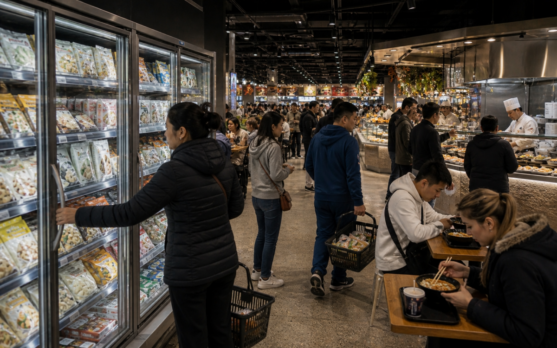
A supermarket freezer door is still important. It gives visibility, habit, comparison and promotion. But the freezer is no longer only in the aisle. It is in a dark store, a convenience outlet, a QSR supply chain, a delivery hub, a small neighborhood shop with one cabinet near the counter. Sometimes it is not visible to the shopper at all.
That changes the way frozen food is built. A product developed only for a large hypermarket cabinet may not work in a 15-minute grocery basket. A family pack may make sense in a stock-up trip, then become awkward in a dark store where space is tight and orders are small. A frozen snack that looks ordinary on a supermarket shelf may perform better online because it becomes an impulse add-on.
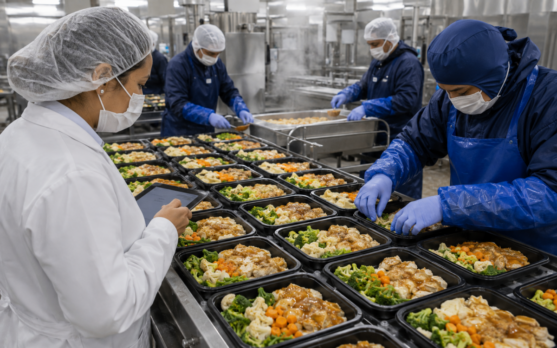
Retail innovation, for frozen food, is not the touchscreen or the app banner. It is the operating discipline underneath. Is the stock real? Is the temperature right? Is the picker trained? Is frozen separated from chilled? Does the delivery bag protect the product long enough? Does the customer receive a pack that still feels worth buying again?
That is where many digital grocery stories get thinner. Speed is easy to advertise. Cold is harder to keep.
Dark stores are turning into invisible freezer aisles
India is the most useful place to watch this. Quick commerce has moved from curiosity to routine in dense urban neighborhoods, with Blinkit, Zepto, Swiggy Instamart, BigBasket and others training consumers to expect grocery almost immediately. The dark store has become a new retail format without needing a shopfront.
For frozen food, that is both attractive and dangerous.
Attractive, because the model reduces the effort of trial. A shopper can add a small pack of frozen fries, momos, paratha, vegetables, ice cream or chicken snacks without planning a freezer trip. The order is small. The decision is fast. The product does not have to win a full weekly shop.
Dangerous, because frozen food does not forgive sloppy speed. A platform can pick shampoo, biscuits and detergent roughly and still survive. Frozen products keep score. Bad temperature handling shows up in clumping, frost, texture, soft packs and complaints. In app commerce, those complaints become data very quickly.
BigBasket’s plan to expand 10-minute food delivery across India using a wider dark store network shows the direction of travel. It also shows the pressure. The more categories these platforms add, the more their backrooms start to resemble food retail operations, not just tech logistics. Frozen makes that visible. A dark store with weak cold storage is not a modern grocery asset. It is a risk with a delivery app attached.
Private label gives retailers control of the cold shelf
The other quiet shift is private label. Retailers do not need to wait for frozen food brands to define the category. They can build their own range, set the price, control the pack size, place the product in the app, promote it in store and use sales data to cut weak SKUs faster than most suppliers would like.
That matters in emerging markets because price still decides a large part of the basket. A shopper may accept frozen vegetables, fries, pizza, snacks or ready-to-cook items if the value is clear. A retailer-owned product can often sit closer to that value line than an imported brand or a national brand with higher marketing costs.
Frozen private label is not only about cheap copies. It can become the retailer’s way of building category architecture: basic vegetables, better vegetables, family pizza, premium pizza, local snacks, frozen bakery, children’s portions, high-protein meals, plant-based lines, QSR-style sides. The freezer becomes a controlled range, not just a rented space for brands.
Manufacturers should not underestimate the change. A retailer that owns shopper data, app placement and freezer layout can be a powerful partner, but also a harder buyer. It will ask for margin, reliability, fast adaptation and evidence that the product turns. A supplier with a good recipe but weak service levels will struggle.
The frozen aisle is becoming less romantic and more measured.
Execution matters more than retail theatre
Technology can help frozen food retail. Forecasting, inventory systems, temperature monitoring, better replenishment and smarter order routing all matter. But technology is often oversold in places where the basics are still fragile.
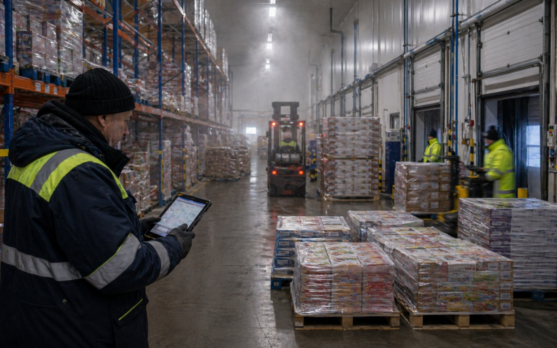
The freezer has its own boring truths. Do not overfill the cabinet. Do not ignore load lines. Do not let products sit too long outside temperature. Do not mix frozen and chilled badly in picking. Do not keep an online listing active when the store stock is uncertain. Do not discount a product so hard that the cabinet becomes a mess by evening.
These things sound small because they are not fashionable. They are also the difference between a repeat customer and a complaint.
Indonesia is a good reminder that grocery modernization does not arrive in a single clean wave. Traditional retail remains powerful there, even as convenience stores, e-commerce and modern chains expand. For frozen food, that means growth will be selective. Some channels can support the category properly. Others can only handle a narrow range, if that.
The Gulf is another version of the story. UAE quick commerce and premium omnichannel grocery can support faster delivery, imported ranges and more sophisticated frozen assortments. The consumer base is different, the infrastructure is stronger in key cities, and the product mix can be more premium. Still, the final test is familiar: cold handling, last-mile condition, price and product fit.
Emerging markets will not modernize into one grocery model. Frozen food suppliers that pretend otherwise will waste money.
The app will not save a bad freezer
There is a temptation to treat online grocery as a shortcut for frozen food. Put the products in the app. Add a good photo. Use a discount. Deliver fast. Let data do the rest.
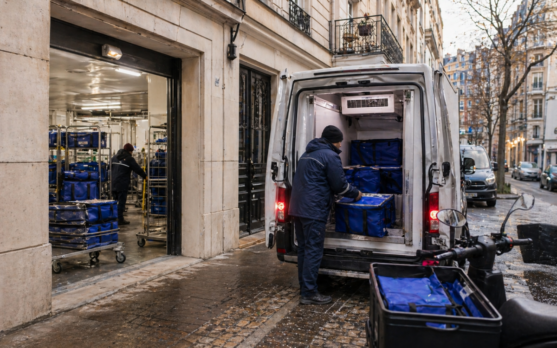
That works only if the operation underneath is clean. A frozen product in an app is still a frozen product. It needs the same temperature discipline as the cabinet, plus the extra stress of picking and last mile. The online channel can make frozen more visible, but it can also make failures more traceable.
Retailers will learn quickly which frozen products suit instant baskets. Small packs. Strong repeat use. Clear cooking instructions. Products that do not break easily in delivery. Snacks, fries, local ready-to-cook items, frozen bakery, dumplings, paratha, vegetables, chicken bites, desserts. The big, slow, expensive product may still need the old supermarket environment.
Data will sharpen the range. Retailers will see which products are bought at night, which ones go with soft drinks or cooking oil, which ones are refunded, which ones repeat, which ones sell only on promotion. That knowledge will feed private label.
Brands may still have a role, especially where trust and quality matter. But the balance of power changes when the retailer owns the data, the freezer, the app and the delivery promise.
The future grocery system will be judged cold
Between 2026 and 2028, the most interesting frozen grocery growth in emerging markets is likely to come from dense urban areas where supermarkets, dark stores and delivery platforms overlap. India will push the speed model hardest. Southeast Asia will move unevenly, channel by channel. Gulf markets will test more premium omnichannel frozen offers. Latin America will probably lean more on modern retail, private label and foodservice than on pure quick-commerce theatre.
After that, the question becomes more operational. Which retailers can run frozen as one inventory reality across store, app and dark store? Which suppliers can design products for several routes to the consumer? Which private-label programs can build trust without cutting corners? Which platforms can make frozen delivery profitable without abusing the product?
The answer will not come from slogans about technology. It will come from the condition of the pack when the customer opens the bag.
That is the most useful test of grocery innovation in frozen food. Not how fast the order arrived. How well the product survived the speed.