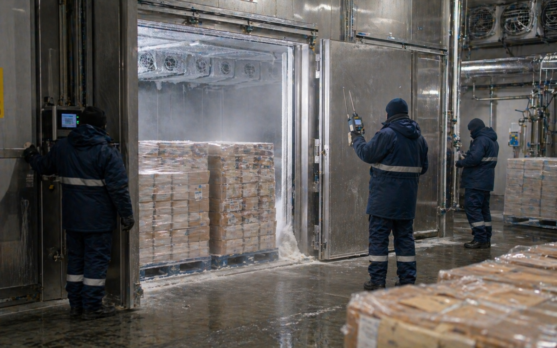
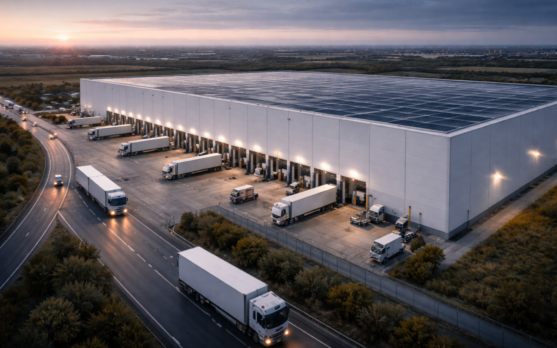
A freezer warehouse used to sell itself with one simple promise: capacity. More pallet positions, more cubic metres, more doors, more distance covered. That promise is getting thin. The frozen food sector still needs cold space, but it needs the right cold space: powered, automated where it makes sense, close enough to the customer or port, efficient enough to survive energy pressure, and disciplined enough to move product without turning storage into expensive waiting time.
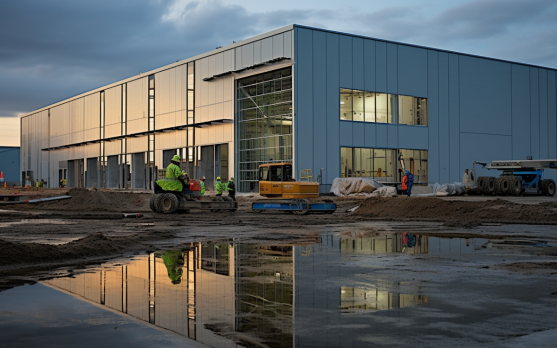
The cold rush is no longer a simple space race
Cold-chain real estate had a clear story for a while. Grocery demand rose. Frozen food held its place in baskets. Foodservice recovered unevenly. E-commerce made proximity sound urgent. Investors looked at refrigerated warehouses and saw scarcity, stickiness and long-term demand.
That story was not wrong. It was just too clean.
The market now looks more selective. Large temperature-controlled operators keep adding capacity, and demand for refrigerated and frozen foods remains structurally important. At the same time, some markets are carrying more empty space than expected after the post-pandemic building wave. The result is not a simple boom or bust. It is a harsher sorting process.
A cold store in the wrong location, with weak energy access, awkward dock flow and little automation potential is no longer protected just because it is cold. A building that looked scarce three years ago can start to look exposed if customers want faster turnover, lower energy intensity, better data, port access or a more resilient network.
The question has changed. It is no longer whether the market needs cold storage. It is whether this particular building deserves to be cold storage.
Capacity is growing, but the wrong capacity is exposed
The frozen food supply chain still needs more capable infrastructure. That is obvious in many regions where retail modernisation, foodservice growth, import flows and frozen category expansion have outgrown the old network. But capacity alone is a blunt metric.
A public warehouse near a weak labour pool is not the same as an automated high-bay freezer tied to a major production and retail corridor. A port-adjacent cold store is not the same asset as an ageing inland box with poor door discipline. A multi-temperature site with value-added services, labelling, picking and cross-docking does not compete only on pallet storage. It competes on how much friction it removes from the chain.
This matters for frozen food because the product punishes bad real estate decisions. If the warehouse is too far from demand, transport absorbs the pain. If it lacks doors, dwell time grows. If it lacks power, expansion becomes theoretical. If it lacks digital integration, inventory becomes visible too late. If it lacks the right service model, a frozen pizza, poultry carton, vegetable tote and foodservice bakery case all get treated as if they create the same operational problem.
They do not.
The better assets are becoming more specialised without always saying so. Some are designed around automated bulk storage. Some are built around import buffers. Some serve foodservice picking. Some sit closer to urban demand. Some support manufacturing plants that need reliable frozen overflow and rapid dispatch. The weakest assets still sell cold air.
Power is becoming a location filter
Cold-chain real estate used to start with land, road access and customer proximity. Those still matter. Power now sits beside them.
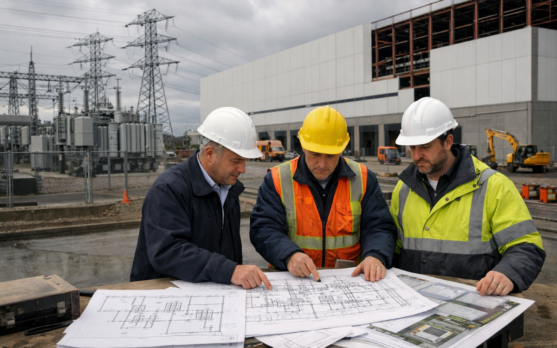
A freezer warehouse is an energy-intensive asset, and the grid is becoming part of the site selection conversation much earlier than before. A plot can be cheap, flat and well connected by road, then lose its appeal when the power connection is slow, constrained or expensive. A developer can design a perfect warehouse on paper and still face the dull, brutal question of whether the local network can feed it.
Cheap land is not cheap if the grid cannot feed the freezer.
Energy also changes the value of older buildings. A poorly insulated box with tired doors, weak controls and outdated refrigeration is not just less green. It is less defensible commercially. Customers may not ask first about kilowatts per pallet, but they will feel the cost through rates, service pressure and the operator's ability to invest.
The stronger cold-storage operators are learning to talk about energy as part of service. Not as a slogan, but as an operating condition. Door-open time, dock discipline, refrigeration controls, solar potential, demand response, maintenance standards and room-level monitoring all become part of the asset story.
Automation is changing the shape of cold storage
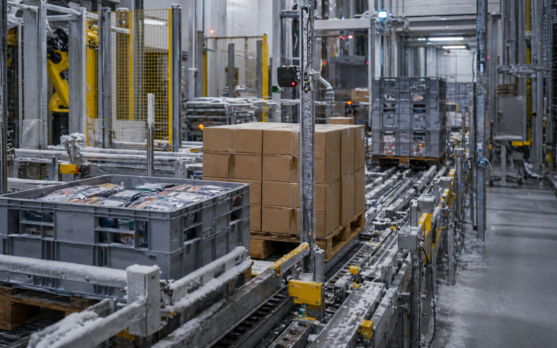
Automation is not new in cold storage, but it is changing the real estate calculation. A high-bay automated freezer can carry more product on a smaller footprint, reduce unnecessary human exposure to extreme temperatures and create a more disciplined movement of pallets through the building. When it works, the building feels less like a warehouse and more like a frozen machine designed around throughput.
The NewCold development outside Bucharest is a useful signal here. It is not important only because it adds capacity in Romania. It matters because it shows how modern cold-chain real estate is being sold: high-bay automation, energy performance, digital integration, traceability and value-added services in one asset. That is a different proposition from conventional cold storage.
Automation, though, does not rescue a bad network. A high-bay freezer still needs inbound planning, outbound discipline, customers with predictable enough flows and a refrigeration system designed around the operation. If trucks arrive in waves, if customer orders are unstable, if the WMS logic is weak, the elegant building still meets messy food logistics.
The real advantage comes when automation, refrigeration, labour, software and customer contracts fit each other. Otherwise, the operator has built a very expensive cold box with a more complicated failure mode.
The network matters more than the single building
Frozen food networks are becoming layered. Large regional hubs still matter because scale matters. They carry stock, absorb production peaks, serve national distribution and support import flows. But they are no longer the only answer.
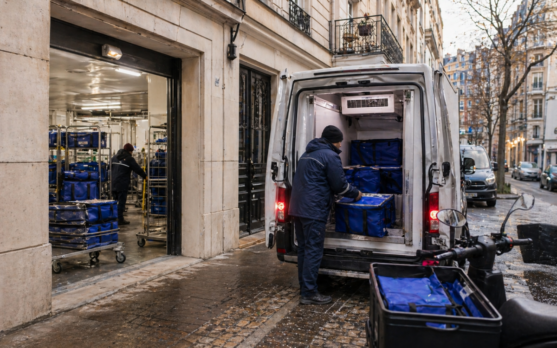
Port-side cold storage is becoming more valuable where reefer availability, customs friction and shipping disruption can trap product between vessel schedule and inland demand. Urban cold hubs are gaining relevance where retailers, foodservice operators and online grocery models need shorter replenishment routes. Cross-dock cold facilities matter when speed is more valuable than storage. Multi-temperature assets matter when customers want flexibility across chilled, frozen and tempering operations.
The old map was built around storage. The new map is built around movement.
A frozen food manufacturer deciding where to hold stock is not only asking for a rate per pallet. It is asking whether the warehouse can protect a promotion, serve a retailer's booking window, handle labelling, split foodservice orders, manage returns, hold product under QA review, and release inventory quickly when demand shifts. The real estate is part of the commercial promise.
That is where some older assets will struggle. They may be full in a tight market and vulnerable in a selective one. The more pressure customers place on speed, visibility and energy performance, the harder it becomes to defend buildings that were designed for slower frozen chains.
The next cycle will reward cold assets with a job
The cold-storage market is not short of big claims. Resilience. Automation. Sustainability. Proximity. Intelligence. The useful question is simpler: what job does the asset perform inside the frozen food network?
If the job is long-term bulk storage, the asset needs density, energy discipline and reliable cost. If the job is retail replenishment, it needs access, dock rhythm and inventory accuracy. If the job is foodservice picking, it needs labour logic, SKU handling and fast order assembly. If the job is import buffering, it needs port connection, customs support and reefer discipline. If the job is urban service, it needs proximity and the ability to work under tighter space and delivery constraints.
The next cycle will not reward square footage by default. It will reward assets that solve a specific cold-chain problem better than the alternatives.
That is good news for serious operators and uncomfortable news for speculative optimism. Frozen food demand may keep growing, but customers will become less forgiving about where that demand is stored. They will want cold capacity that lowers friction, not cold capacity that simply exists.