The line never stops at a convenient moment. A spiral freezer starts to drag during a night shift, a compressor throws another alarm that everyone has learned to ignore, a conveyor motor begins pulling more current than it did last month, and product keeps arriving because production planning does not care that a bearing is tired. In frozen food, downtime is not empty time. It is product risk, labour waste, missed dispatch, cold-room pressure and a maintenance team trying to diagnose a problem while the factory is already paying for it. Digital twins will matter only if they move that moment earlier.

The useful twin starts on the critical path
Digital twins are often sold as if the whole factory needs a virtual double. That may come later for some companies. It is not where most frozen food plants should begin.
The useful starting point is more practical. Which assets stop the plant when they fail? Which alarms are repeated so often that operators no longer trust them? Which freezer, compressor, conveyor, pump or packaging bottleneck turns a normal shift into a recovery exercise? That is where the first digital twin belongs.
Frozen plants are full of equipment that looks routine until it becomes critical. A conveyor between coating and freezing. A gearbox on a spiral line. A refrigeration compressor that has been running slightly warmer. A cold-room door that recovers slowly after loading. A sensor giving a number that is technically within range but drifting from the plant’s normal behaviour.
The point is not to admire the data. The point is to know which change in behaviour matters before the line is forced to prove it.
Refrigeration is the first reliability test
In a frozen food plant, refrigeration is not a utility in the background. It is part of the product. If the refrigeration system becomes unstable, the consequences move quickly through the factory: slower freezing, warmer rooms, longer recovery after door openings, higher energy use, tighter dispatch windows and more nervous conversations with quality.
A compressor rarely jumps from healthy to failed without telling a story first. Vibration changes. Discharge temperature shifts. Current draw creeps. Oil pressure, suction pressure, run hours and alarm history begin to form a pattern. The problem is that factories are noisy places, digitally and physically. They generate alarms, logs, operator notes, service visits and half-remembered fixes. Without context, most of that information becomes background noise.
A refrigeration-focused twin can be useful because it compares the plant with itself. It can show that a compressor is working harder under similar load. It can flag an evaporator that needs too much defrost. It can show that one cold room is slow to pull down after dispatch. It can separate a real maintenance signal from another nuisance alarm.
That kind of intelligence does not feel futuristic. It feels like a good engineer who has watched the plant for years and remembers everything.
The spiral freezer has no patience for theory
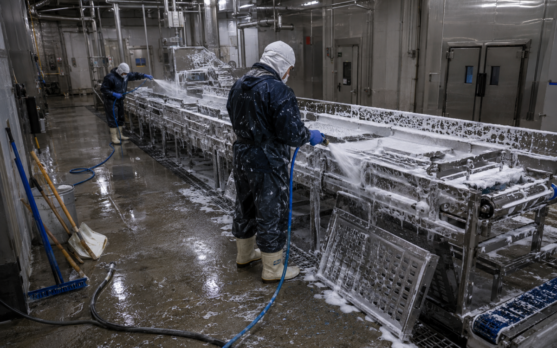
Ask a frozen bakery plant, pizza line, ready-meal producer or coated protein manufacturer where the anxiety sits, and the freezer will usually be close to the answer. A spiral freezer is not just another asset. It is the narrow bridge between product that is still vulnerable and product that can finally move toward packing, storage and dispatch.
When a spiral freezer misbehaves, the factory loses options fast. Product cannot wait indefinitely before freezing. Coatings soften, toppings shift, dough changes, sauces slump, and hygiene windows start to collide with production recovery. A small mechanical problem can become a product-quality problem before maintenance has finished opening the guarding.
The signals are often mechanical before they are dramatic. Belt tension changes. Tracking becomes less stable. Motor load shifts. Ice builds differently. Airflow weakens. A drive runs hotter than expected. Washdown affects a component that was already near its limit. The maintenance team may know these patterns informally, but informal knowledge is fragile. It sits in the heads of experienced people, often the same people the industry says it cannot easily replace.
A useful twin does not need to predict every failure with theatrical precision. It needs to help the plant move from “something feels wrong” to “change this part in the next planned window.” That alone can be the difference between a controlled intervention and a lost shift.
Conveyors are not secondary when they carry the line
Conveyors are easy to underestimate. They do not have the glamour of a freezer tunnel or the cost of a refrigeration plant. They just run, until they do not. Then the whole line discovers that a cheap component has been carrying expensive production.
Frozen vegetables, fries, seafood, snacks, ready meals and bakery products all depend on transfer points that behave cleanly. A belt that slips, a motor that overheats, a bearing that begins to fail, a misaligned transfer that damages product or packaging, all of it can trigger downtime or waste. Sometimes the line can slow down. Sometimes it stops. Sometimes product piles up in the worst possible place.
The maintenance value here is often built from basic signals: vibration, temperature, motor current, run hours, cycle counts, stoppage history. The clever part is not collecting them. The clever part is connecting them to maintenance planning. A bearing trend means little if the part is not in stock. A warning is worth less if it arrives during peak production with no service window. A dashboard does not repair a gearbox.
The better plants will use data to make maintenance less heroic. Fewer emergency calls. Fewer Friday-night surprises. Fewer operators learning to live with a machine that is asking for attention.
Cold rooms need behaviour, not just temperature
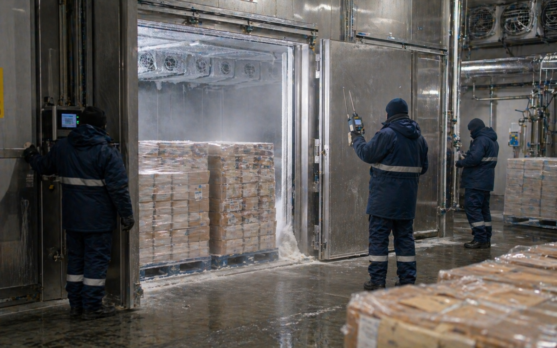
A cold room showing the right temperature at one moment is not necessarily a healthy room. Frozen storage has behaviour. How quickly does the room recover after loading? How often does it drift? Which door creates the heaviest load? Which evaporator works too hard? Which alarm returns often enough to become invisible?
That is where monitoring becomes more serious. A simple temperature reading tells the plant what is happening now. A behavioural model tells the plant whether today looks different from the last hundred similar days.
This matters in finished-goods storage, in intermediate holding, in raw material rooms and at dispatch. A cold room that recovers slowly may still pass a snapshot check, but it can weaken shelf-life discipline and increase energy cost. A door with poor discipline may be treated as an operations issue when it is really a design, training or scheduling issue. A defrost pattern that changes quietly may be telling the maintenance team to look before the next complaint arrives.
In frozen food, temperature history is often more honest than temperature display.
Maintenance data has to meet the production plan
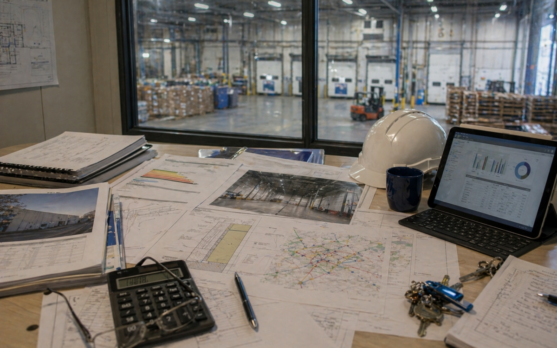
The next step is not more screens. Most factories already have too many places to look. The real gain comes when maintenance signals connect to production planning, spare parts, service skills and quality risk.
If a compressor is drifting, the plant needs to know whether the issue can wait until a lower-volume day. If a spiral freezer belt is showing early signs of trouble, the question is not only technical. Which products are scheduled? What is the sanitation window? Is the right technician available? Is the part in stores? What customer order is at risk if the intervention is delayed?
This is where predictive maintenance becomes maintenance intelligence. The machine warning is only the opening line. The decision sits between engineering, production, quality and supply chain. A good system should help that conversation happen before the fault becomes a stoppage.
There is also a cultural point. Many plants have survived for years on experienced maintenance people who know the sounds, smells and moods of the line. Digital twins should not pretend to replace that judgement. They should capture more of it, challenge it when the data disagrees, and give younger teams a better starting point than alarm fatigue and handwritten notes.
From dashboards to uptime contracts
Between 2026 and 2028, most frozen food plants will not build complete digital replicas of every process. The more likely path is narrower and more useful: critical-asset pilots around refrigeration, freezers, conveyors, cold rooms and packaging bottlenecks. The plants that choose well will get results quickly. The ones that begin with a grand digital programme may spend too much time mapping the factory and too little time protecting it.
After that, service models will change. Equipment suppliers will increasingly sell monitoring, remote support, energy optimisation and uptime support alongside machinery. Refrigeration plants, freezers and packaging lines will be judged not only by purchase price and performance on day one, but by the quality of the warnings they produce during year five.
That shift will expose weak buyers as well as weak suppliers. A company that does not maintain sensor quality, clean its data, act on warnings or integrate maintenance with planning will not get much from a digital twin. The model may be smart. The organisation still has to move.
The frozen plant of the future will not be the one with the most data. It will be the one with fewer avoidable stoppages.