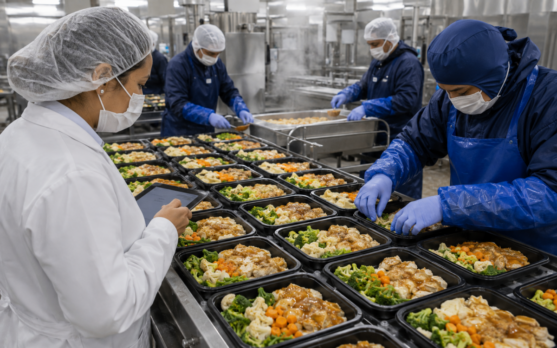
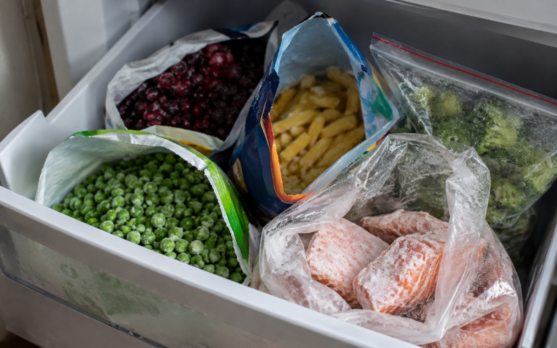
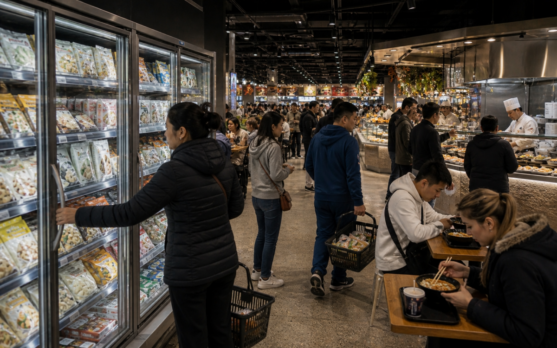
A paper-based pack can look convincing long before it reaches a freezer cabinet. It feels familiar, photographs well in a sustainability presentation and gives retailers a visible move away from plastic. Then comes the cold chain: condensation on the surface, grease in the fold, frost at the edge, cartons dragged across pallets, wet gloves, rough handling and a recycling system that may not be interested in the coating. Frozen food is not impressed by material claims. It asks whether the pack still works after the easy part is over.
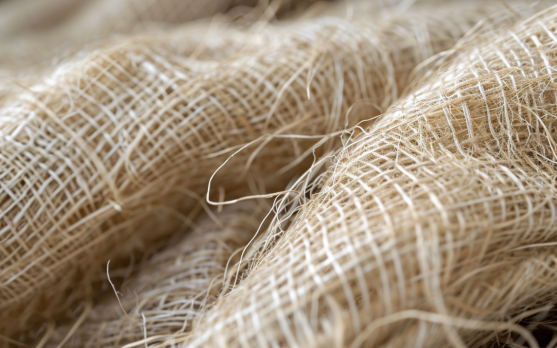
Paper looks simple until the freezer gets involved
Paper and fiber packaging has an obvious appeal. A carton sleeve around a frozen ready meal feels less defensive than a plastic tray. A molded fiber insert can look more acceptable than expanded plastic. A paper wrap around a frozen bakery line gives the brand a warmer signal in a category that often feels cold in every sense.
That appeal fades quickly if the pack starts to soften, scuff or lose shape. Frozen food is hard on materials. Products move through factories, cold rooms, trucks, retailer depots and freezer cabinets before anyone opens them at home. Packs are stacked, rubbed, dropped, sliced open, pushed into cabinets and handled by people working quickly in cold, damp conditions. Paper rarely fails in the hero image. It fails at the edge, the fold, the cut line, the coated surface or the corner that has absorbed just enough moisture to become weak.
So the paper shift needs a tougher vocabulary. Replacing plastic is not enough. Replacing plastic while keeping protection, stiffness, sealability, grease resistance, print quality and a credible recycling route is the harder work. Without that, paper becomes a better-looking version of the same packaging risk.
The barrier is where paper becomes packaging
Plain paper does not do much for frozen food on its own. It needs help. Moisture barrier, grease resistance, oil resistance, heat sealability, scuff resistance and, in some cases, oxygen or aroma protection come from coatings, laminations, dispersions or other treatments. That functional layer is not a finishing touch. It is the part that makes the pack usable.
This is where many buyer conversations become too polite. A coated board for ice cream or frozen food may protect against liquid and moisture. A freezer carton board may be built to resist edge wicking through storage and distribution. A barrier coating may give fiber a chance against grease, water vapour and sealing demands. These are not cosmetic improvements. They are the technical reason the pack can enter the freezer at all.
The risk starts when a paper pack behaves like a composite but is still sold mainly as paper. The more performance is added, the more the buyer needs to know what has been added and why. Can the finished pack go into a standard paper recycling stream? Does it need a specialised mill? How much non-fiber material is present? Is the coating PFAS-free? Does the barrier protect the product well enough to justify any extra recycling burden?
Frozen food does not need paper packaging with a neat sustainability line. It needs paper packaging with an honest coating story.
Paperization can create its own complexity
The move away from plastic has pushed many brands toward paper-forward formats. Some of those moves make sense. Plastic reduction is valuable where plastic was being used out of habit, over-specification or poor design. But paperization can also hide a new set of problems under a cleaner surface.
A fiber tray with a heavy barrier. A carton sleeve that adds bulk without protecting much. A paper wrap that needs complex grease treatment. A molded insert with unclear food-contact chemistry. A paper-like substrate that does not belong in the paper recycling stream. These are the formats that make a buyer meeting look progressive and a compliance review more difficult.
PPWR makes the weak versions harder to defend. From August 2026, food-contact packaging comes under tighter PFAS scrutiny. By 2030, packaging on the EU market is expected to be recyclable in an economically viable way. That means paper and fiber formats do not get a free pass because shoppers like the look of them. Food-contact chemistry, recyclability, minimisation and documentation will follow the material all the way into the freezer aisle.
The riskiest formats may be the ones redesigned in a hurry: coated paper for frozen bakery, fiber-based trays for ready meals, grease-resistant wraps, foodservice frozen cartons and premium board formats where the barrier layer has never been properly questioned. A supplier should be able to explain moisture, grease, edge wicking and the recycling route before talking about plastic-free positioning.
Recyclability has to be proven, not assumed
Paper has a stronger recycling base than many packaging materials. That advantage is real. It is also easy to misuse once coatings, adhesives, inks, varnishes, laminates, windows and barrier layers enter the pack.
The paper sector has moved toward more disciplined recyclability testing and design guidance. Recent circularity work looks closely at barriers, coatings, adhesives, inks and integrated components. Laboratory testing for paper and board-based materials is also becoming more relevant for new structures and additives used in conversion. The message is plain enough: a paper pack is no longer judged only by its main fiber layer.
Frozen food companies need to separate two very different claims. One pack may be suitable for a conventional paper mill. Another may need specialised recycling. Liquid packaging cartons, fiber composites and heavily treated formats can sit in different recovery routes. In some markets, those routes exist. In others, they are limited, inconsistent or commercially weak.
That becomes awkward for export-led frozen businesses. The same product may move across several countries with one pack and one artwork system. The recycling infrastructure behind that pack does not travel with it. A supplier certificate may be useful, but it does not replace knowing where the finished pack is sold and what system is expected to process it.
Corrugated has a colder job than it gets credit for
Paper and fiber packaging in frozen food is not only about the pack in the consumer’s hand. Corrugated boxes, shelf-ready packaging, transport cartons, liners and e-commerce shippers protect value before the product ever reaches a freezer cabinet.
In a cold store, corrugated is more than a box. It has to carry weight, resist moisture, survive pallet movement and help keep loads stable. In foodservice distribution, it moves through back doors, freezer rooms and delivery schedules that leave little room for fragile packaging. In frozen e-commerce, the outer pack, liner, insulation and void space become part of product protection and regulatory exposure at the same time.
The same mistake appears here as in primary packaging: using paper as the visible answer before testing whether it is the operational answer. A weaker secondary pack can mean crushed product, unstable pallets, more returns or more waste. A shipping format with too much empty space can become difficult to justify under packaging minimisation pressure.
Corrugated innovation deserves attention, but in frozen food the judgement is blunt. Does the pack keep product safe, stable and saleable through the cold chain, without adding avoidable material or confusing the recovery route?
The buyer should ask what the fiber is doing
A serious paper or fiber packaging brief should start with function, not substrate. What is the fiber doing? What is the coating doing? Which failure is the design trying to prevent? Which part of the structure creates recycling friction?
- Is the pack paper-based, or is it a fiber composite that needs specialised recycling?
- What coating provides moisture, grease or oxygen barrier, and is it PFAS-free?
- Has the pack been tested after frozen storage, condensation cycles and retail handling?
- Does the board resist edge wicking, scuffing and loss of stiffness in cold-chain conditions?
- Can the finished pack be recycled in the target market, or only in a technical claim?
- Does the paper solution reduce plastic, or simply hide plastic in the barrier layer?
The strongest paper formats will not be the ones with the loudest plastic-reduction message. They will be the ones where every layer has a job and every job can be defended. Some will use coatings. Some will use recycled fibers. Some will combine fiber and plastic more honestly than older formats did. Purity is not always the commercial answer. Evidence is.
Frozen food does not reward packaging that performs only in procurement language. If the pack warps, leaks, loses stiffness, scuffs badly, fails in the cold store or comes back with a weak recycling story, the material choice has not solved the problem. It has moved it somewhere else.