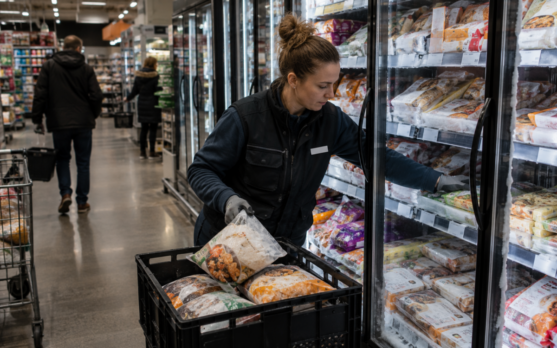
Reducing Food Waste
The Waste Ledger
Food waste is moving from sustainability slogan to accounting discipline, and frozen food must prove where value is lost across the cold chain.
Prevention, forecasting, handling and recovery strategies that protect margin and resource efficiency.
Food waste is both a sustainability issue and a commercial leakage point. This section examines how frozen systems can reduce avoidable loss through better planning, inventory logic, product design, packaging, markdown strategy and operational discipline, with a focus on what actually improves outcomes across the value chain.
Reducing Food Waste
Food waste is moving from sustainability slogan to accounting discipline, and frozen food must prove where value is lost across the cold chain.
Reducing Food Waste
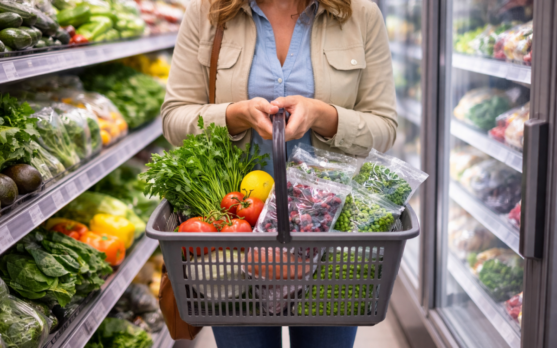
A sharp 2026 comparison of frozen vs fresh across waste, affordability and carbon, with category-level insight on spinach, berries, potatoes, fish, ready meals, bakery and pizza.
Reducing Food Waste
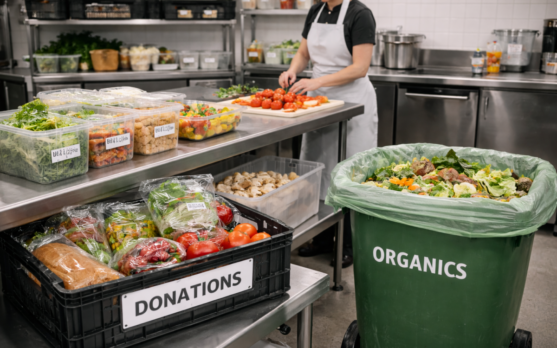
Organics separation now exposes frozen food waste, packaging contamination, missed surplus routes and weak prevention decisions.

Reducing Food Waste
How retailers use AI-driven markdown optimization with electronic shelf labels to automatically discount near-expiry food, improve sell-through, reduce store-level waste, and...

Reducing Food Waste
How AI food waste analytics turns waste into measurable business evidence across frozen food, retail, foodservice and manufacturing.

Reducing Food Waste
How AI can reduce frozen food waste through forecasting, production planning, inventory control, cold chain data and retail execution.

Reducing Food Waste
Circular food strategy must move beyond waste treatment, keeping side streams, nutrients and value higher in frozen manufacturing.

Reducing Food Waste
Food loss and food waste are not the same. The difference shapes cold chain investment, retail execution, accounting and strategy.

Reducing Food Waste
Food waste falls when frozen supply chains manage forecasting, inventory, cold storage, allocation and retail execution as one product flow.
Reducing Food Waste
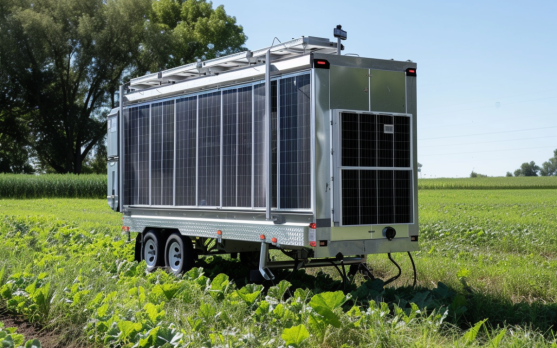
In-field cooling protects fresh produce quality, reduces postharvest loss and improves raw material performance for frozen food processors.

Reducing Food Waste
Fresh produce waste shows why shelf life is won or lost through pre-cooling, temperature discipline and timely frozen conversion.

Reducing Food Waste
Cassava processing shows how food waste starts before freezing, when dewatering, drying and local machinery decide shelf life and value.
Explore sustainability in frozen food through energy, waste, packaging, refrigerants and lower-impact operating strategies with real business relevance.