A premium frozen meal does not fail in the strategy deck. It fails later, under fluorescent freezer light, when a shopper compares it with a cheaper private-label box, then again at home when the film peels back and the sauce has split, the pasta has gone soft, or the chicken looks smaller than the photograph promised. That is the uncomfortable truth behind premiumization in frozen meals: the category can charge more only when the food still feels premium after the factory, the cold store, the retail cabinet and the microwave have all had their say.
The word premium is doing too much work
Frozen meals have spent years borrowing language from restaurants. Chef-inspired. Bistro-style. Slow-cooked. Crafted. Elevated. Some of it is deserved. Much of it has become aisle wallpaper.
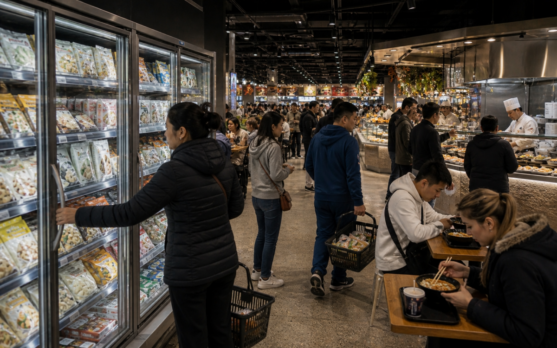
The problem shows up quickly in the freezer cabinet. A black sleeve, a darker colour palette, a close-up of glossy sauce and a few ingredient cues can make almost any meal look more expensive. But shoppers have become better at reading the trick. They look at the grams. They check the protein. They compare the picture with the window, if there is one. They glance at the retailer’s own-label version sitting two shelves away.
That comparison is brutal because premium frozen meals are not only competing with old-style frozen dinners anymore. They are competing with chilled ready meals, meal deals, takeaway fatigue, restaurant prices and private label that has learned to look confident. In many stores, the strongest premium cue is no longer a famous brand. It is the retailer saying, quietly but firmly, that it can do the same occasion for less.
So the premium frozen meal has to make its case in food, not decoration. A richer sauce. A better piece of protein. Vegetables that still have colour. Rice that has not turned into a block. A portion that feels designed rather than reduced. These are small details, but they are where repeat purchase lives.
The factory decides more than the menu description
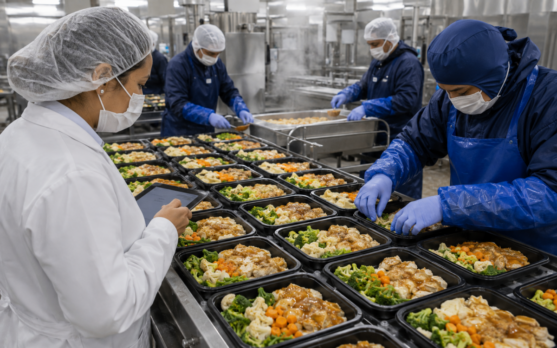
A restaurant can rescue a plate at the pass. A frozen meal cannot. Once the recipe has gone through assembly, freezing, storage, transport and retail display, the consumer becomes the final operator. That operator may overcook it, under-stir it, forget the standing time or use a weak microwave in a rented flat. Premium has to survive that.
This is where frozen meal development becomes less romantic than the front of pack suggests. Sauce viscosity matters. Protein cut size matters. Moisture migration matters. Whether the starch will keep shape matters. So does the order in which components are deposited into the tray. A good frozen meal is often the result of unglamorous decisions made by food technologists, line managers and packaging engineers who know what happens when a beautiful kitchen sample meets industrial reality.
There is a difference between a recipe that tastes good before freezing and a frozen product that eats well after reheating. The gap between the two is where many premium launches lose credibility.
Take pasta. It is forgiving in a restaurant and unforgiving in a frozen meal. Too soft, and the dish feels cheap. Too firm, and the consumer blames the brand. Or coated chicken: the crumb may look good on the pack, but after microwave heating it can become damp and tired unless the format, coating and instructions are built around the real heating method. A curry can carry flavour well, but a watery sauce destroys the sense of value. These are not minor defects. In premium, they are commercial defects.
Ingredients need to show up in the eating
The ingredient story has become one of the weaker parts of premium frozen meals. Not because ingredients do not matter, but because too many packs talk about them in a way the product cannot defend.
Consumers do not eat sourcing claims in isolation. They eat what is left after reheating. If the pack talks about roasted vegetables, the vegetables need to look roasted. If it talks about slow-cooked beef, the meat cannot feel like generic diced protein. If the meal uses a named cheese, herb paste, grain or sauce style, it needs to be visible enough to justify the claim.
Premium is not the same as adding one expensive ingredient to an otherwise ordinary meal. A little truffle language over a basic base does not build trust. Nor does a cuisine cue that has been softened so much that it offends no one and excites no one. Frozen meals do not need to pretend to be restaurant plates, but they do need to respect the food memories they are borrowing from.
There is a practical retail point here. A buyer will listen to a story once. The consumer has to buy the product again. If the ingredient promise is only visible in the sales presentation, it will not carry the SKU through the next range review.
Portion size is now part of the premium argument
Premium frozen meals used to lean on abundance. More sauce, more cheese, more weight, more indulgence. That still works in some occasions, especially family meals and sharing formats. But the category is becoming more precise.
A single-serve premium meal does not always need to be large. It does need to feel complete. That is a different standard. A smaller bowl can work if the protein is credible, the texture is satisfying and the meal feels properly composed. A smaller tray fails when it looks like a cost saving exercise dressed up as portion control.
This is an area where manufacturers need sharper judgement. Some shoppers want comfort and generosity. Some want a lighter but better-built meal. Some want a restaurant-style main without the full restaurant bill. Some want an easy lunch that does not feel like a punishment. Trying to serve all of those occasions with one premium language produces bland products.
The better route is to be specific. A premium curry for two can be generous and saucy. A premium grain bowl can be tighter, cleaner, more ingredient-led. A frozen pasta bake can justify indulgence if the texture and cheese performance hold. An air-fryer-friendly meal component can sit somewhere else entirely, closer to a building block than a complete dinner.
Premium frozen meals will need fewer vague promises and more honest portion architecture.
Private label has made average premium dangerous
The old comfort for brands was that private label looked cheaper. That comfort is gone in many markets.
Retailers have become much better at building food ranges with restaurant cues, modern flavours and accessible pricing. They can use loyalty data, control shelf position, bundle products into meal deals and move faster than many branded manufacturers expect. A premium brand that brings only a nicer sleeve and a familiar flavour is exposed.
That does not mean brands are finished. It means they need defensible reasons to exist. Better freezing know-how. Stronger sauce systems. A real cuisine platform. Better protein sourcing. Foodservice credibility. A format the retailer cannot copy quickly. A brand that shoppers actively search for rather than merely accept when it is on promotion.
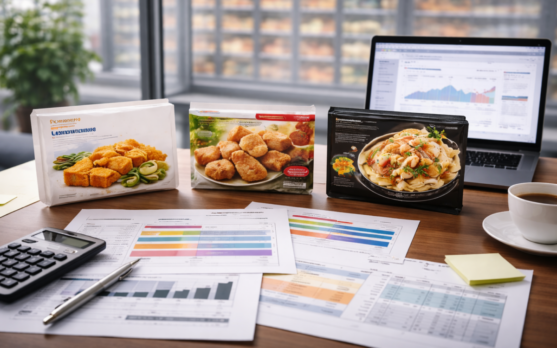
In buyer meetings, the question is rarely whether premium meals are interesting. They are. The harder issue is whether they add something to the freezer that the retailer cannot deliver through its own range. If the answer is thin, the brand will be asked for margin support, promotion money or a lower price. That is not premiumization. That is shelf survival.
Walmart’s bettergoods launch in the US is a useful signal because it shows how a major retailer can frame own label around more elevated food experiences without abandoning affordability. Waitrose offers another version of the same pressure, with premium ready meals and dine-in mechanics built into the retail proposition. Different markets, different shopper base, same warning: retailers are no longer waiting for national brands to define better food at home.
The pack has become part of the product
Packaging is often discussed too late in frozen meal development. That is a mistake. The tray is not just a container. In many frozen meals, it is part of the cooking system.
A premium meal has to move through the freezer chain, protect the product, present well in the cabinet, heat evenly and make the consumer feel that the price has been respected. If the film tears badly, if the tray flexes, if the sauce dries in the corners, if the sleeve looks good but the heating result is poor, the pack has damaged the meal.
Dual-ovenable formats, microwaveable trays and better venting are not glamorous subjects, but they sit close to the eating experience. So does the sustainability question. Retailers are under pressure to reduce packaging impact and prepare for tighter rules, especially in Europe. But frozen meals cannot simply swap materials for better optics. Barrier performance, sealing, freezer durability and heating behaviour still have to work.
The strongest suppliers will test meal and pack together, not separately. They will know what happens after eight minutes in a microwave, after oven heating, after thaw abuse, after a consumer ignores the instruction to stir halfway through. That kind of detail does not make a dramatic pack claim. It makes the second purchase more likely.
Premium has to become less theatrical and more repeatable
The future of premium frozen meals will not be won by the loudest restaurant language. It will be won by products that understand the limits of the format and still deliver pleasure.
There is room for better frozen food. More than room. Rising restaurant prices, busy households, stronger home dining habits and better freezer technology all support the category. But the bar is higher than it was. The shopper has more alternatives, and the retailer has more leverage.
The brands that take premium seriously will behave less like marketers of indulgence and more like builders of controlled eating experiences. They will start with the final plate and work backwards through recipe, tray, line, freezing method, instructions and cabinet reality. They will cut claims that the product cannot defend. They will treat private label as a serious competitor, not a lower shelf problem.
A premium frozen meal does not need to imitate a restaurant. That comparison often hurts more than it helps. It needs to feel worth the money in the context where it is actually eaten: at home, tired, hungry, with a fork, after the microwave has beeped.
That is a harder standard than the old premium story. It is also a better one.