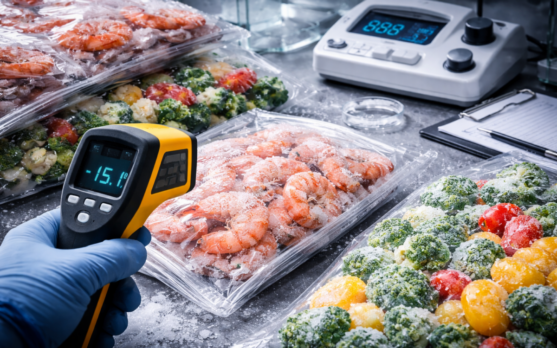
Fermotein sounds like the sort of ingredient that should fit the moment: protein, fibre, fermentation, lower-impact production, a cleaner story than another overpromised meat analogue. But the freezer case is not impressed by technology language. It asks rougher questions. Does it improve the product? Does it survive formulation, freezing, storage and reheating? Can a buyer understand the claim? Can the price work? And, perhaps most importantly, will the shopper care when the pack is sitting beside meals, desserts, bakery and protein snacks that already feel familiar?

The word lab-grown is already the wrong start
The old headline around this article used “lab-grown protein”. It is a tempting phrase, but it sends the reader in the wrong direction. Fermotein is not cultivated meat. It is not a steak grown from animal cells. It is a fermentation-derived fungal biomass ingredient, made through biomass fermentation and positioned as a protein-and-fibre ingredient for food manufacturers.
That distinction matters. Cultivated meat carries one set of consumer questions. Precision fermentation carries another. Mycoprotein has its own track record, its own technical constraints and its own commercial baggage. If the article starts with the wrong language, it immediately sounds like hype.
Fermotein is interesting precisely because it is less theatrical than the old food-tech vocabulary. It is not asking a frozen food brand to build an entire identity around the future. It is asking whether a fermented fungal ingredient can help build better products: more protein, more fibre, improved nutrition, perhaps better texture or a more credible alternative to some plant-based formulations that never quite solved taste, mouthfeel or repeat purchase.
That is a more useful conversation for frozen food than another futuristic promise.
Alternative protein has entered the uncomfortable phase
Fermotein arrives at a harder moment than the one alternative protein enjoyed a few years ago. The easy capital story has faded. Plant-based meat has been through a reset in several markets. Some consumers tried the category and did not come back often enough. Some products were priced too high, tasted too engineered or cooked badly. Retailers learned to separate novelty from velocity.
Mycoprotein is not new to the market, of course. Quorn built a business around it long before fermentation became fashionable. That history is useful, but it is also a warning. Familiarity in one corner of the market does not guarantee that every new fungal protein ingredient will walk easily into a retailer’s planogram.
For manufacturers, the bar has moved. A protein ingredient can no longer survive on sustainability messaging alone. It has to perform inside a formulation. It has to work in manufacturing. It has to support a claim without making the product feel medicinal. It has to taste quiet enough, or good enough, that the consumer does not feel they are funding a science project at dinner.
That is where Fermotein has a real opening. Not as another heroic meat replacement. As a formulation tool in a market that has become less patient with heroic claims.
The freezer case will care about function, not novelty
Frozen food has a long memory for ingredients that looked better in development meetings than in the product. A frozen meal is handled, filled, frozen, stored, distributed, reheated and judged in a few minutes at home. A frozen dessert has to hold texture. Bakery has to survive freeze-thaw stress, proofing variables, reheating and expectations around bite. Snacks need flavour, shape, convenience and margin.
An ingredient that works in a shake, bar or dry mix does not automatically work in frozen food. Water management matters. Texture matters. Heat stability matters. Off-notes matter. Fibre can be useful, but it can also change mouthfeel. Protein can help a claim, but it can also create dryness, grittiness or a cooked note if the system is not designed properly.
That is why Fermotein’s most realistic frozen opportunities may be less obvious than a centre-of-plate meat alternative. High-protein frozen breakfasts. Protein pancakes. Better-for-you muffins. Frozen dairy alternatives. Smoothie bases. Portion-controlled meals built around satiety. Small snacks where protein and fibre are part of the structure, not decoration.
In those formats, the ingredient does not need to shout. It needs to make the finished product more useful.
Protein plus fibre may be the stronger commercial story
The market is no longer asking only for protein. Protein still has power, but the stronger brief in many categories now includes fibre, portion control, digestive comfort, nutrient density and products that fit smaller appetites. The GLP-1 effect has sharpened that conversation, even for consumers who are not using weight-management medicines. People are reading meals differently. More protein. More fibre. Smaller portions that still feel worth buying.
Frozen food is well placed for that shift because it already owns convenience and portioning. The problem is that many frozen products still carry an old nutritional image. A fermentation-derived ingredient with both protein and fibre could help shift that, but only in products where the rest of the formula supports the promise.
A high-protein frozen meal with weak vegetables and poor flavour will not become credible because Fermotein is in the ingredient list. A frozen dessert that talks about nutrition but eats like compromise will not last. A bakery item with better protein and fibre can work, but the consumer will still judge softness, aroma, crumb and indulgence.
The ingredient can help. It cannot carry a badly designed product by itself.
Regulatory progress is important, but it is not the finish line
The positive EFSA opinion for Rhizomucor pusillus biomass powder gives Fermotein a more serious footing in Europe. It signals that the ingredient has passed a major safety assessment step under the EU novel food process. The company also points to approvals or market access progress outside Europe, including the U.S. and Singapore.
That changes the tone. Fermotein is no longer only a pitch about what fermentation might one day do. It is moving into the more useful, less glamorous stage: authorisation, commercialisation, applications work, manufacturing scale, customer trials and product fit.
Food manufacturers should welcome that, but not confuse it with automatic adoption. Regulatory clearance opens a door. It does not answer the frozen buyer’s questions about cost, taste, processing behaviour, consumer understanding, supply reliability and claim wording.
The most disciplined brands will treat Fermotein like an ingredient to be tested hard, not a story to be pasted on pack. Does it improve the formulation? Does it support a claim that the product can legally and honestly carry? Does it work after months in frozen storage? Does it help margin, or only add complexity?
The real opportunity is ingredient architecture
There is a quieter way fermentation-derived proteins may enter frozen food. Not as the star of the pack. Not as “the future of meat”. More likely as part of ingredient architecture.
That means a product developer uses Fermotein to build a better nutritional base. A frozen breakfast that needs protein and fibre without turning heavy. A dairy-alternative frozen dessert that needs more nutritional credibility. A bakery snack that wants to move away from empty carbohydrate positioning. A meal for smaller appetites that still has enough substance. A hybrid product where the goal is not purity, but eating quality and better macros.
This is less dramatic than the early alternative-protein story. It may also be more durable.
Short term, the most believable path is through B2B applications, trials and selective launches, not a sudden wave of consumer-facing Fermotein branding in the freezer aisle. Medium term, if cost and capacity improve, frozen food could use ingredients like this in high-protein meals, better-for-you bakery, frozen dairy alternatives and snack formats. Long term, fermentation-derived proteins may become normal tools in formulation, noticed more by developers and buyers than by shoppers.
That would not be a failure. Most successful food ingredients do not become household names. They disappear into products that work better.
Fermotein’s test is not whether it can sound advanced. The test is whether it can make ordinary frozen products more convincing.