A frozen biryani, paella or rice bowl does not fail first in the sauce, the protein or the country name on the box. It fails in the rice. Open the tray after microwaving and the truth is immediate: separate grains or clump, steam or sogginess, sauce absorbed with purpose or pooled around the edges, chicken sitting on top like an afterthought. Rice gives global frozen meals scale, value and comfort, but it also exposes every shortcut in the product architecture.
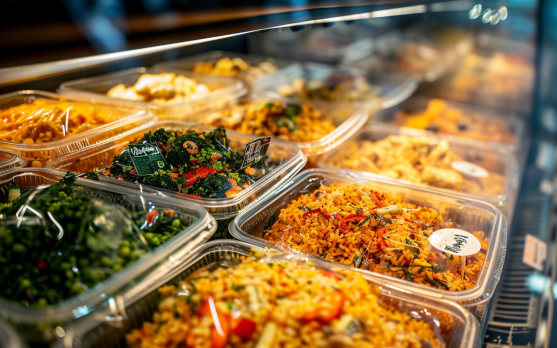
Rice has become a frozen meal platform
Frozen rice dishes should no longer be treated as a culinary tour from paella to biryani. That framing is too polite and too thin. The stronger commercial story is that rice has become one of the freezer aisle’s most useful meal platforms.
It is cheap enough to support value ranges, familiar enough for mainstream shoppers, flexible enough for global flavours and neutral enough to carry sauce, protein, vegetables and heat. In retail, rice can be Indian, Spanish, Korean, Cajun, Mexican, Thai, West African, Japanese or American comfort food without changing the basic promise: a complete meal that heats quickly and feels more substantial than a snack.
That flexibility explains why rice appears across frozen bowls, single-serve trays, family-size meals, fried rice, curry meals, paella-style products, high-protein bowls and foodservice-inspired kits. The same architecture can be pushed toward lunch, dinner, value, premium, wellness or takeaway-at-home.
But the simplicity is deceptive. Rice is not just the base. In frozen meals, it is the part that decides whether the product feels cooked or manufactured.
The microwave is a harsh editor
A restaurant can rescue a rice dish with timing. A frozen tray cannot. It has to survive cooking, cooling, freezing, storage, distribution and a final blast in a microwave that heats unevenly in millions of kitchens.
That is where the grain becomes technical. Basmati must stay loose enough to suggest biryani or curry rice. Fried rice needs separation and a little bite. Paella-style rice should not collapse into wet pilaf. Risotto can be creamy, but not gluey. Burrito bowls and Korean-style bowls need rice that carries sauce without turning into paste. Brown rice and grain blends can add a health cue, but they can also become hard or dry if the formulation is lazy.
Convenience rice research keeps circling the same issue from different angles: water movement, starch behaviour, freeze-thaw damage and texture loss. The consumer does not see any of that. They see whether the rice sticks to the fork in one heavy clump.
Manufacturers have tools: rice variety, pre-cook level, sauce ratio, oil, steam control, tray geometry, venting film, compartmentalisation, freezing speed. None of them are glamorous. All of them matter.
The sauce tells the truth
Rice meals live by sauce absorption. Too little sauce, and the tray feels dry and mean. Too much, and the product becomes wet comfort food with a global name. The difference is often small, especially after frozen storage.
A biryani cannot be treated like a curry bowl. A paella-style meal cannot be built like risotto. A Korean gochujang bowl has a different sauce problem from a tikka masala tray. Jollof rice needs the tomato-pepper base inside the grain, not sitting separately like a coating. Fried rice needs seasoning and oil distribution, not gravy.
This is where many global frozen rice meals become too similar. Rice, sauce, chicken, vegetables, heat. Change the name, change the spice blend, keep the same structure. The box says Korean, Cajun, Indian or Mexican. The eating experience says factory bowl.
Better products protect the identity of the rice dish. They know when to keep components apart, when to let sauce soak in, when to use a topping sachet, when to add protein after rice cooking, and when a dish simply should not be squeezed into a single-compartment microwave tray.
Authenticity has to be specific, not theatrical
Frozen rice dishes do not need to reproduce restaurant cooking perfectly. Retail would be impossible if every paella demanded a pan crust or every biryani required dum-style layering. Simplification is part of the business.
The problem starts when simplification removes the signal that made the dish recognisable. A biryani needs more than rice and curry aroma. Basmati, spice layering, onion, yoghurt-marinated protein cues, cardamom or saffron notes all help. Paella-style meals need more than yellow rice. Seafood, chicken, chorizo, paprika, stock character and a drier rice texture all carry the idea, even in adapted supermarket form.
Tesco’s frozen paella-style products show how retail often frames the compromise openly: long grain rice, chicken, prawns, chorizo and a paella-inspired seasoning in a multi-serve pack. That is a supermarket meal, not a Valencian claim. There is honesty in that positioning.
The same rule applies to rice bowls. Healthy Choice’s Korean-style beef bowl does not pretend to be a Korean restaurant dish. It uses gochujang, beef, greens and grain structure to give the bowl a recognisable direction. Ben’s Original Street Food bowls work from another shelf logic: fast microwave rice meals with global cues and 90-second convenience. These products show the breadth of the platform, from frozen protein bowls to ambient heat-and-eat bowls. The freezer version has to compete with that speed while delivering a stronger cooked-meal feel.
Portion architecture is becoming the real innovation
The next improvement in frozen rice dishes may not come from another flavour. It may come from architecture.
Single trays are efficient, but they flatten dishes. Compartment trays protect separation, but cost more. Sauce cups add control, but complicate packaging. Family trays can deliver value, but they risk uneven heating. Meal kits can feel closer to foodservice, but they ask more from the shopper. A biryani kit with rice and curry components separated may eat better than a mixed tray. A paella-style family pack may work better when seafood and rice are designed for different heating behaviour. A burrito bowl can handle mixing. A risotto cannot survive too much abuse.
Retailers often ask for short cook times, visible protein and a strong price point. Fair enough. But rice meals need another question at the buyer table: what does the consumer have to do after heating? Stir? Rest? Add sauce? Crisp a topping? Mix compartments? Eat straight from the tray?
The answer changes the product. It also changes repeat purchase.
Rice gives value, but can make a meal look cheap
Rice is useful because it builds a filling meal at controlled cost. That is also the danger. If the protein looks sparse, vegetables are tired and sauce carries too much of the flavour burden, the product begins to feel padded. Shoppers can forgive rice as comfort. They resent rice as filler.
High-protein bowls are one response. Grain blends are another. Brown rice, quinoa, red rice, barley or black barley can give texture and nutrition cues, though they also change heating behaviour. Global meals can use toppings more intelligently: fried onion, herb sachets, sesame, chilli oil, chutney, lime, yoghurt sauce, crispy shallots, plantain-style sides or pickled vegetables. Small details can break the monotony of rice plus sauce.
Private label will be strong in value rice bowls and fried rice. Branded ranges need clearer reasons to cost more: better protein, better sauce, more credible rice, stronger cuisine cues, cleaner ingredient lists or a more interesting kit format.
The middle of the market will be uncomfortable. A global name on a standard rice tray will not be enough.
The freezer aisle is moving toward rice-based meal systems
The long-term opportunity is not just more frozen biryani or more paella-style trays. It is rice as a modular meal system.
Rice plus air-fryer protein. Rice plus sauce cup. Rice plus dumplings. Rice plus curry. Rice plus seafood. Rice plus taco toppings. Rice plus breakfast egg. Rice plus vegetable side. Households already eat this way. Frozen retail is only catching up.
That opens room for better kits, smarter compartments, multi-serve global trays and online bundles. It also raises the bar for technical performance. A rice platform can travel across cuisines, but it cannot be allowed to taste like the same base meal with different labels.
The best frozen rice dishes will understand both sides of the category: rice as cost-effective structure, and rice as the sensory centre of the meal. If the grain is wrong, the whole dish becomes smaller.