A limited edition frozen pastry looks simple on the shelf: a new filling, a seasonal sleeve, maybe a familiar chocolate or biscuit cue. Inside the retailer’s calendar, it is less simple. It has a production window, a forecast, a freezer slot, a promotional week, a sell-through target and a point at which the product must leave cleanly before the excitement turns into old stock.
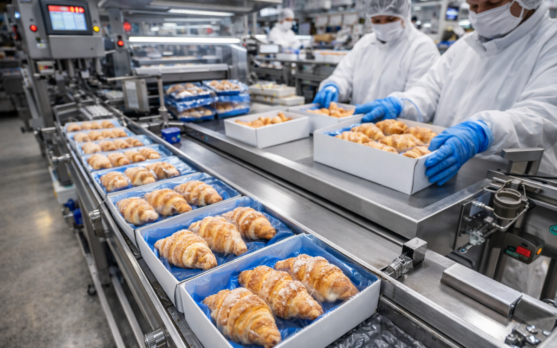
Frozen bakery needed a reason to be checked twice
The frozen pastry fixture has always had useful products. Croissants for weekends. Puff pastry for quick meals. Danish pastries for a tray when guests arrive. Mini formats for parties. Most of that business is steady, which is good for volume and dull for attention.
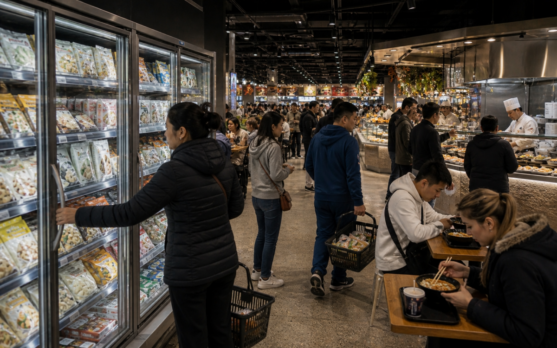
Limited editions bring a different rhythm. They give the freezer door a reason to be opened by someone who did not come in looking for frozen bakery. A pistachio croissant, a tiramisu Danish, a winter berry pastry, a chocolate biscuit collaboration or a savoury feta swirl can make a slow fixture feel alive for a few weeks.
The trick is restraint. The strongest drops do not ask shoppers to understand a new category. They start with something familiar and change the cue that creates interest: filling, topping, glaze, pack, season, partner brand. A known format lowers the risk. The limited element creates the nudge.
That is where frozen bakery has become more useful to retailers. It can borrow some of the theatre of fresh bakery without carrying all the same waste risk. It can run a short window, support online grocery, reach stores beyond the fresh bakery footprint and still offer a warm product at home or after bake-off.
Seasonal products need a calendar, not a costume
Seasonality is the easiest kind of limited edition to understand. Christmas, Easter, Halloween, Valentine’s Day, summer fruit and winter comfort already sit in the shopper’s head. The product does not have to explain why it exists. The calendar does that.
Still, many seasonal pastries fail because they are dressed up too heavily. A Christmas pack with a weak filling is still a weak product. A Halloween sleeve on a standard pastry may get one photograph, not repeat purchase. Seasonal frozen bakery works better when the product has a real seasonal reason: spice, fruit, nut, chocolate, cream, sharing format, breakfast occasion, gifting cue or a short family moment at home.
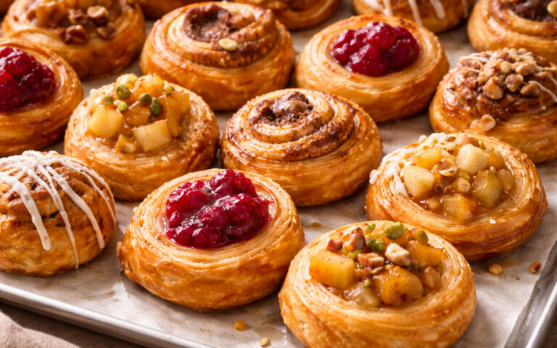
A retailer can use the same pastry platform several times a year if the base is strong enough. A croissant can move from almond to chocolate-orange to pistachio. A Danish can carry apple, custard, berries or cinnamon. A puff pastry bite can become party food in December and savoury snacking in spring. The operation stays controlled. The shelf feels refreshed.
The exit matters as much as the launch. A seasonal pastry left in the freezer after its moment has passed damages the next one. Shoppers learn quickly when “limited” is only a word on the pack.
Flavour crossover is the testing ground
The freezer is becoming a safer place to try flavours that may be too risky for a permanent range. Tiramisu, pistachio, s’mores, yuzu, mango, passionfruit, hot honey, brown butter, miso caramel and Mediterranean savoury cues all travel from cafés, dessert menus, snacks and social feeds into bakery.
Some are better suited to pastry than others. Pistachio has a premium shorthand, but only if the filling tastes of pistachio rather than green sweetness. Tiramisu can work if coffee, cream and cocoa are balanced. Hot honey may fit savoury pastry, but it can turn clumsy if the heat is used as a gimmick. Yuzu or passionfruit can cut through laminated fat, though too much acidity can make a pastry feel sharp rather than bright.
Frozen gives the buyer a way to test without committing the fixture for a year. A short run can show whether a flavour creates incremental trips or simply shifts shoppers from the standard croissant. It can also reveal whether the idea survives real handling: freezing, transport, baking, display and home ovens that do not behave like development kitchens.
There is a useful discipline here. A flavour that works in a beverage, chocolate bar or dessert pot does not automatically work in laminated dough. Fat, heat and freezer storage change the taste. The freezer has little patience for flavours that only sound good in a trend deck.
Collaborations bring speed, then the product has to carry it
A branded collaboration can solve the first problem in frozen: recognition. A shopper sees a known biscuit, chocolate, coffee or spread cue and understands the flavour before reading the small print. That half-second matters when the door is cold and the category is crowded.
The recent wave of bakery collaborations with confectionery and biscuit names shows why suppliers keep using the tactic. A croissant with a familiar cookie flavour or a pastry tied to a chocolate brand arrives with borrowed trust. It can move faster than an unknown filling because the taste world is already built.
Borrowed trust is expensive. Licensing, approval, packaging, minimum volumes and ingredient expectations all add weight. The product also has to deliver the branded cue clearly. If the shopper cannot taste the partner brand, the collaboration feels hollow. If the pastry base is poor, the logo only makes the disappointment more visible.
Retailers should treat collaborations as sharp tools, not shortcuts. They are useful for trial, premium pricing and noise around a launch. They are not a substitute for pastry quality, bake-off reliability or sensible volume planning.
Inventory discipline is the part shoppers never see
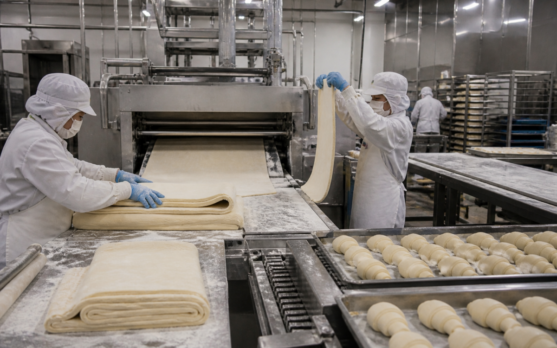
The less glamorous work decides whether a frozen bakery drop makes money. Forecasting. Production slots. Pack print runs. Store allocation. Promotional timing. Freezer space. Exit pricing. None of it appears on the front of pack, yet all of it shapes the result.
Too little stock and the launch disappears before it builds momentum. Too much and the drop turns into clearance. Too many flavours and the shelf looks messy. Too many repeated drops and the shopper stops feeling any urgency.
Frozen has advantages. Products can be made ahead of the selling window. Distribution can be wider. Foodservice and retail can use the same platform with adjustments. Waste risk is easier to manage than in fresh pastry, though not removed. Slow stock can still sit in a freezer, quietly becoming a problem.
A serious limited edition program needs more than sales in the first week. It needs to know whether the item brought new shoppers, lifted the category, helped premium own-label, created baskets with coffee, desserts or breakfast items, and exited without damaging the permanent range. A sell-out can be badly planned. A smaller, cleaner run can be more valuable.
Frozen bakery drops will become less random
Over the next few seasons, the stronger activity will probably come from planned calendars rather than loose novelty. Retailers will keep a stable core: croissants, Danish, pastry basics, puff pastry and family packs. Around that, they will build returning seasonal products and shorter tests for flavour or collaboration.
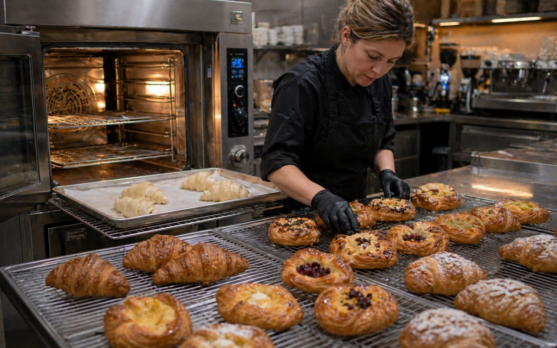
Foodservice will use the same logic in a different way. Cafés, hotels, forecourts and convenience operators need simple refreshes that work with coffee, breakfast and snack occasions. A short-run frozen bake-off pastry can make a menu feel new without asking the operator to hire a pastry chef.
The risk is fatigue. Limited editions become weak when every product shouts. A freezer full of short-run packs can look less exciting than one clear product with a strong reason to be there. Scarcity needs protection. So does the shopper’s patience.
The better future for frozen pastry drops is tighter, not louder: fewer forced flavours, better base products, cleaner launch windows, stronger sell-through discipline and more respect for the freezer as a commercial system.