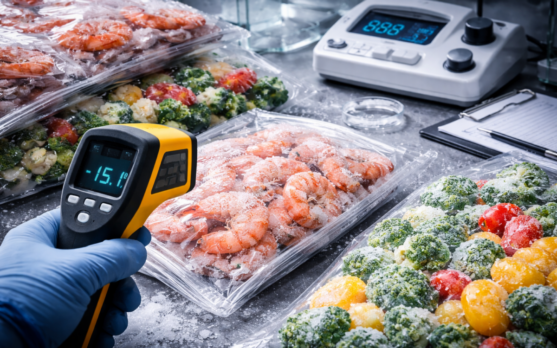
A cleaner label can win a buyer’s attention in the meeting room, but it has to survive a much colder interrogation later: frozen storage, thawing, proofing, bake-off, shelf life and the ordinary disappointment of a pastry that looks virtuous on the pack but collapses in the oven.
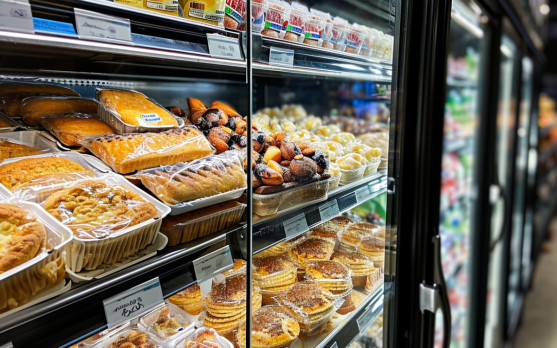
Clean label is no longer a soft consumer claim
Clean label used to sound simple. Fewer ingredients. Familiar names. Less chemistry on the back of pack. In frozen bakery, that simplicity does not last long. The moment a formula enters a plant, a cold store and a bake-off system, every removed ingredient leaves a technical question behind.
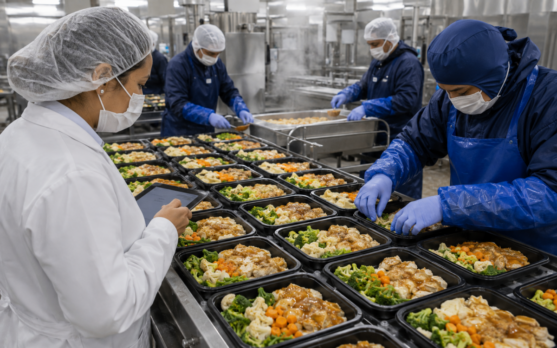
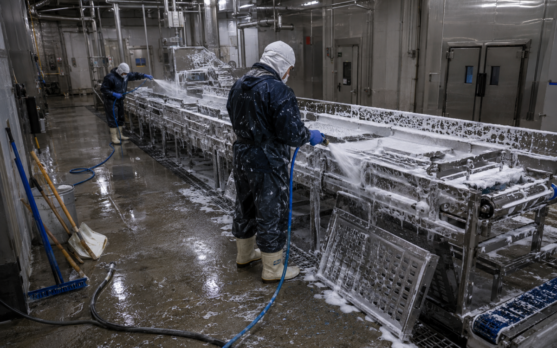
Retailers still want cleaner declarations. Foodservice operators want products they can describe more comfortably to customers. Shoppers have become suspicious of long ingredient lists, especially in products that pretend to sit close to bakery craft. But frozen bakery is not a bowl of dough mixed in a shop window. It is an industrial product expected to behave well after freezing, transport, stock rotation and final preparation by people who may not be bakers.
That is where clean label becomes more interesting than the usual natural-food story. It is not the same as all-natural. It is not always about removing every functional ingredient. It is often about reducing the ingredients that create label pressure while keeping the dough strong enough to work.
A bakery technologist knows the tension immediately. The buyer may ask for fewer E-numbers. The line manager asks whether the dough will still tolerate sheeting. The quality team asks about shelf life. The operator asks why the bake is suddenly flatter than last month.
The freezer exposes weak reformulation
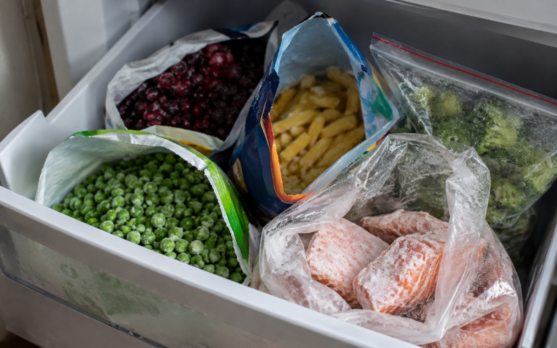
Frozen dough is already under stress before clean label enters the discussion. Ice crystals form. Water moves. Yeast weakens. Gluten structure suffers. Starch behaviour changes. A formula that performs in fresh bakery can look surprisingly fragile once it has spent weeks or months below zero.
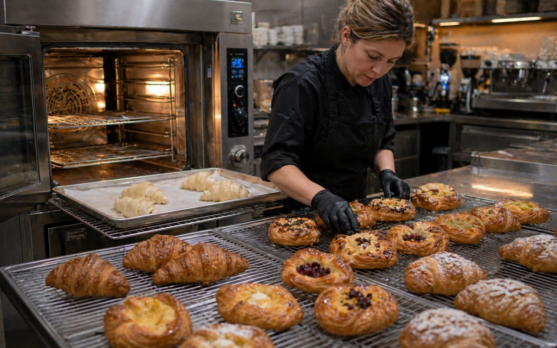
In a frozen bakery plant, that fragility is visible in small, expensive ways. Dough pieces stick where they used to release cleanly. Laminated products lose lift. Buns bake with less volume. A par-baked bread feels dry sooner than expected. Pizza dough loses tolerance after thawing. A pastry that looked right at packing comes out of the oven dull, tight or uneven.
The clean label version may still pass the ingredient-list test. That does not mean it passes the freezer test.
This is the part of the category that rarely appears on the front of pack. The shopper sees fewer unfamiliar words. The manufacturer sees a dough system with less margin for abuse. Long frozen storage, temperature fluctuation, delayed proofing and inconsistent bake-off conditions punish weak reformulation quickly. A product can be cleaner and worse at the same time.
Enzymes are doing more of the invisible work
Enzymes have become one of the most important tools in cleaner bakery formulation. They can help with dough strength, crumb softness, volume, fermentation behaviour and shelf-life management. In many markets, depending on use and regulation, they may function as processing aids rather than declared additives, which makes them attractive when the ingredient list is under pressure.
That does not make them magic. Enzymes work inside a system. Flour quality, water absorption, fermentation time, fat, sugar, salt, mixing intensity, freezing speed and thawing conditions all change the outcome. A frozen croissant, a burger bun, a pizza base and a soft roll will not respond in the same way. Even two flours from different harvest conditions can change the behaviour of the same enzyme blend.
The practical value is still large. A well-built enzyme system can help manufacturers reduce dependence on certain visible improvers while keeping softness and structure. It can also help standardize performance when raw materials vary. That is important in high-volume frozen bakery, where inconsistency does not remain in the lab. It moves into cases, pallets, stores and complaints.
The risk sits in overconfidence. Too little function and the product fails after freezing. Too much activity and the dough may become difficult to handle, especially across long thawing or proofing windows. Clean label pushes more work into ingredients the consumer may never see. That makes formulation smarter, but also less forgiving.
Emulsifier reduction is where the risk starts
Emulsifiers are easy targets on labels because they sound industrial. In bakery, they also do real work. They support gas retention, crumb structure, softness, dough handling, staling control and consistency on large lines. Removing them is not like taking a colour out of a glaze. It can change the way the whole product behaves.
Frozen bakery makes that harder. A dough may be mixed in one site, frozen, shipped, stored, thawed and baked by someone else. The formula needs tolerance across time and temperature. Emulsifiers have often provided part of that safety net. When they are reduced, the replacement system has to carry the function, not just clean up the label.
There are cases where enzyme systems, fibres, starches, hydrocolloids, sourdough-derived ingredients or fermentation-based solutions can help. There are also cases where complete removal creates a product that looks more acceptable in a specification sheet and performs worse in production. A buyer may accept a cleaner label. They will not accept collapsed volume, poor sliceability or a croissant that loses its layers after thawing.
The stronger suppliers will not sell emulsifier reduction as an easy moral upgrade. They will treat it as engineering. What function is being removed? What replaces it? How does the dough behave after eight weeks frozen? What happens after a temperature abuse test? How wide is the bake window? These questions belong at the start of the project, not after the first failed production run.
Shelf life still has to be engineered
Clean label can sound almost pastoral when it comes to shelf life. Cultured wheat. Vinegar. Fermented flour. Sourdough-based systems. Natural mold inhibitors. These ingredients can help, and many are commercially useful. They also come with trade-offs.
A natural or fermentation-derived inhibitor may need a higher dose than a conventional preservative. That can affect flavour, aroma, dough behaviour or cost. Vinegar notes can become noticeable. Fermented ingredients can bring complexity, but also variability. Some solutions work better in bread than in sweet bakery. Some suit ambient products more than frozen or par-baked systems.
Frozen slows many problems, but it does not remove the need for shelf-life thinking. A product may be frozen for distribution, then thawed, displayed, baked or sold through a foodservice counter. Once the chain moves from frozen stability to final use, mold, staling, softness and eating quality return to the table.
There is also a commercial issue. Retailers want waste reduction. Operators want longer usable life. Consumers want softer products for longer. Clean label has to meet those demands without turning the product into a fragile premium promise. A shorter ingredient list is not a business model if it shortens the selling window too much.
The future is cleaner, but not purist
The most realistic future for frozen bakery is not additive-free purity. It is cleaner performance. Fewer uncomfortable declarations where possible. More enzyme-based systems. More fermentation-derived ingredients. Better flour management. More careful freezing protocols. More testing under ugly real-life conditions.
Short term, expect reformulations that remove the most sensitive label items first. Some emulsifiers will be reduced. Some preservatives will be replaced by cultured or fermented alternatives. Enzyme blends will keep moving deeper into frozen dough, buns, pizza bases, laminated pastry and soft bakery.
Over the next few years, clean label will become more common in retailer briefs, especially for premium own-label, family-oriented bakery, foodservice ranges and products sold with freshness or bakery-style language. The pressure will not disappear. It will become more specific.
The difficult part is that frozen bakery will still be judged like bakery. The product has to rise, layer, brown, soften, hold and smell right. If the label looks cleaner but the product eats worse, the claim turns against the manufacturer. The freezer has no interest in marketing language.