A frozen container can cross an ocean and still lose the sale at the port gate. The temperature record may look acceptable, the cargo may still be hard frozen, the buyer may still want the load, and the margin may already be bleeding through demurrage, route changes, customs checks, missing certificates and a reefer plug nobody planned for. Global frozen trade used to be sold as a story of reach. Now it is a story of friction.

Demand is no longer the whole story
Frozen food travels well in theory. Potato products, vegetables, bakery, meat, poultry, ready meals, desserts and foodservice packs can move across long distances because freezing buys time and stability. That is the old comfort of the category. It is also incomplete.
A frozen product does not simply need demand in the destination market. It needs the right reefer equipment at origin, a carrier willing to take the lane, a port that can handle the box, plug capacity, correct customs documents, sanitary certificates where required, predictable clearance, inland cold storage and a receiver ready to unload without turning the last kilometre into the weak link.
When all of that works, global frozen trade looks smooth. When one piece fails, the product becomes a commercial hostage. It sits cold, but not free. The invoice waits. The buyer waits. The promotion window narrows. The container clock keeps running.
That is the uncomfortable part. Frozen food can tolerate distance better than many fresh categories, but it does not tolerate uncertainty for free. A longer transit, a delayed customs release or a congested terminal may not make the product unsafe. It can still erode margin, shelf-life confidence, service performance and trust between supplier and buyer.
Port delay is controlled-risk time
Ports have always been part of the cold chain, but the industry often talks about them as if they are neutral transfer points. They are not. For frozen cargo, a port is a risk environment with electricity, space, labour, documentation and vessel schedules all pressed into the same tight square of land.
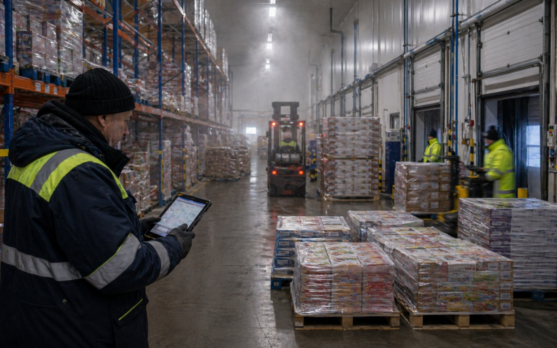
A reefer container waiting in a terminal is not the same as a dry box waiting in a terminal. It needs power. It needs monitoring. It may need priority if the dwell time grows. If congestion increases, the question is not only when the vessel berths. It is whether the cold infrastructure around that delay holds up.
Recent port updates have shown how uneven that pressure can be: long waiting times in some African ports, high yard utilisation in major European gateways, busy Asian terminals and local shortages of empty containers. These examples change week by week, but the pattern is familiar. Frozen cargo depends on a port system that was not designed around every shipment moving perfectly.
For the exporter, this means planning around delay, not hoping delay will be exceptional. For the importer, it means asking harder questions about terminal visibility, plug availability, backup cold storage and demurrage exposure. For the carrier and forwarder, it means the reefer box is no longer just another piece of equipment in the stack.
The border can break the chain without breaking the temperature
Some frozen shipments fail commercially while the refrigeration system is still doing its job.
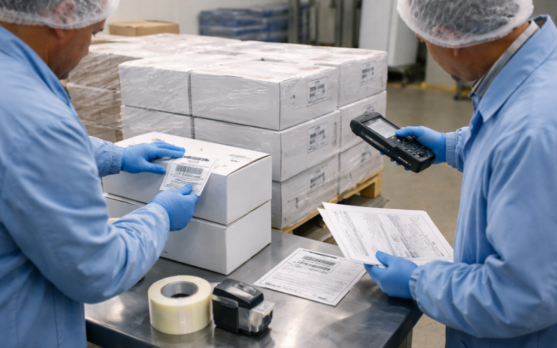
A missing health certificate. A mismatch between documents and product description. A wrong code. A pre-notification error. An inspection slot that pushes the container into another day of storage. A border control post asking for clarification while the customer is already chasing the load. None of this looks like classic cold-chain failure, but it belongs to the same risk map.
This is especially true for animal-origin products, mixed processed foods, composite products, private-label imports and categories moving through markets with stricter sanitary and phytosanitary controls. The product may be frozen, sealed and traceable, yet still blocked because the administrative chain has not kept pace with the physical chain.
Digital systems are helping. Platforms such as TRACES in the European Union have made official certification and import documentation more structured. That does not remove friction. It makes weak preparation more visible. A supplier with good product and poor paperwork is still a weak supplier.
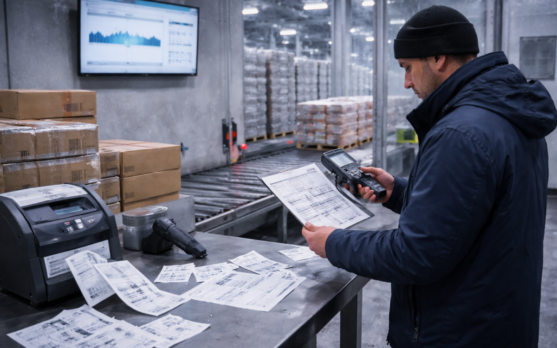
Frozen exporters sometimes underestimate this because the technical conversation is dominated by temperature. Temperature matters, but the customs file travels with the product. In some lanes, the document trail is now as important as the reefer setpoint.
Reefer availability is becoming leverage
Reefer trade has been resilient, and that resilience creates its own pressure. When demand for refrigerated containers grows, access to the right equipment, at the right origin, on the right sailing, becomes a commercial advantage.
For a frozen potato processor, a vegetable exporter or a poultry supplier, the sale is not secure until the box is booked and moving. Product in the warehouse is inventory. Product inside the wrong logistics window is a problem. A buyer may accept a later departure once. A retailer planning a promotion may not.
There is also a hierarchy of pain by category. A commodity frozen ingredient can sometimes absorb a delay if the buyer has storage and flexibility. A private-label finished product tied to shelf resets, promotional windows or seasonal menus has less room. Frozen bakery for foodservice may be needed for a launch. Ready meals may be linked to a retailer's frozen planogram. Desserts can be more sensitive to handling and thermal abuse than their frozen status suggests.
Reefer access therefore becomes part of commercial credibility. The better exporters do not only negotiate price and specification. They know their lanes, their carriers, their port alternatives, their peak seasons and their exposure to empty container shortages. They have a plan before the vessel schedule changes.
Geopolitics now sits inside the frozen supply chain
Route disruption is no longer background noise. Red Sea insecurity, Suez Canal avoidance, Middle East instability, fuel cost pressure and shifting trade policy have all reminded exporters that a frozen lane can change shape with very little notice.
When ships reroute around longer corridors, the effect is not only extra days at sea. Schedules lose reliability. Equipment cycles stretch. Insurance costs can move. Ports receive bunching. Inland plans slip. Buyers begin asking whether inventory should be held closer to market, whether alternate ports are needed, or whether sourcing should be regionalised for some items.
Frozen food companies used to price distance. They now have to price interruption.
This does not mean global frozen trade is retreating. Some categories will remain highly global because scale, raw material geography and processing economics are too strong to ignore. Frozen potato products, some vegetables, meat and poultry flows, industrial ingredients and foodservice goods will continue to cross borders in large volumes. But the easy assumption that the cheapest source is always the best source is becoming weaker.
A cheaper product that arrives late, waits at the border, loses the promotion window or creates a claim may not be cheap. It is just priced before the friction is counted.
The frozen exporter needs a friction plan
The strongest export strategies now look less optimistic and more engineered. They include route alternatives, early reefer booking, reliable customs partners, document checks before dispatch, temperature visibility, hold and release rules, insurance clarity, port-adjacent cold storage options and realistic delivery windows.
That sounds basic until the chain is under pressure. Then the difference becomes visible.
A supplier with poor documentation can lose days before anyone touches the product. A buyer without buffer stock can turn a vessel delay into a retail shortage. A 3PL without reefer discipline can make a port problem worse. A retailer that insists on global sourcing without accepting longer planning cycles may end up buying uncertainty and calling it efficiency.
There is a cultural shift here. Frozen trade cannot be managed only by the sales team and the freight forwarder. QA, customs, logistics, commercial and finance all need to understand the same route risk. If a container is held, who decides whether the load is still acceptable? If a port delay creates extra costs, who owns the dispute? If a route changes, is the product still within the promised arrival window? If a claim appears, is the temperature evidence strong enough to defend the load?
Global frozen food trade will remain attractive. Urbanisation, foodservice growth, retail private label, protein demand, convenience formats and large-scale processing will keep products moving. But the companies that treat shipping as the final administrative step after production will keep being surprised. The route is now part of the product.