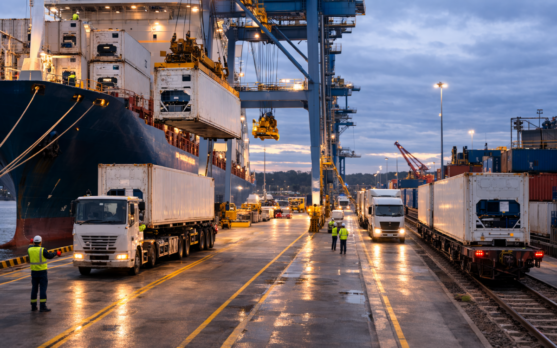
A frozen exporter can sell the container, book the reefer, agree the delivery window and still discover, halfway through the voyage, that the old freight number was only the polite beginning of the cost. A carrier changes the routing, a surcharge lands, the ETA slips, the buyer’s promotion does not move, the port asks for more storage, the reefer needs plugs for longer than planned, and suddenly the argument is not about shipping anymore. It is about who agreed to pay for uncertainty.

The rate is no longer the price
For frozen food, ocean freight used to be difficult enough when the problem was the rate itself. A reefer quote, a transit time, a destination port, a few known local charges, then the usual fight over margins. That world has not disappeared, but it now feels too clean for the trade lanes many exporters and importers are actually using.
The base rate is still important. It is no longer the whole price.
The real cost now sits in the layers around it: emergency surcharges, bunker adjustments, war-risk logic, port substitution, longer transit, storage, demurrage, detention, reefer monitoring, plug fees, transshipment uncertainty and inventory arriving too late for the commercial plan it was meant to serve.
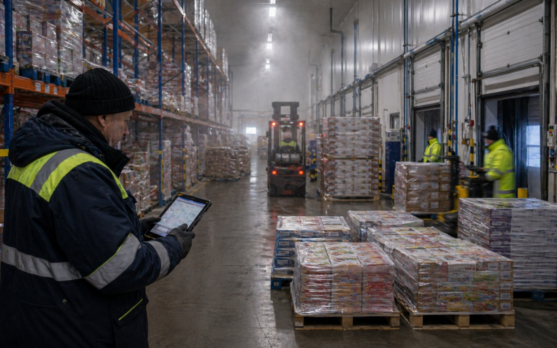
Frozen cargo makes this sharper. A dry container that arrives late may create irritation. A reefer container that arrives late can create a chain of cost: missed promotion, blocked freezer space, shorter commercial shelf life, quality checks, claims, replacement stock, and a customer who remembers the service failure longer than the original price.
The freight buyer who only asks for the cheapest reefer rate is now asking too little. The better question is whether the contract says what happens when the route changes.
Red Sea recovery is partial and fragile
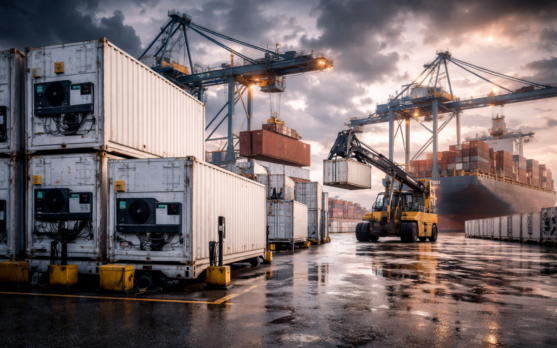
The Red Sea and Suez story in 2026 is not a simple return to normal. There have been limited resumptions, cautious service changes and attempts to test the old corridor again. There have also been fresh diversions, new caution and a clear reluctance among carriers to treat the region as settled.
That uncertainty matters more than a single sailing announcement. A shipping line can restart one service and still keep the rest of the network defensive. Another carrier can open a corridor, then restrict bookings. A route can look available on paper and still carry enough risk to attract surcharges, slower planning or reduced confidence from cargo owners.
For frozen exporters, partial recovery can be almost as awkward as full disruption. It creates a market where some bookings move, some do not, some surcharges remain, some rates soften, and nobody wants to be the party caught with a fixed sales price and a moving logistics bill.
The Cape of Good Hope routing taught the industry the cost of distance. The uneven return toward Suez is teaching it something else: a cheaper route is not fully cheaper until carriers, insurers, ports and customers behave as if it is stable.
Surcharges have become a commercial risk
Reefer surcharges are not administrative noise when they land on frozen food. They can be large enough to erase the margin on a container of volume product. They can also arrive at the worst moment, after the seller has agreed the price and before the buyer accepts any change to the commercial terms.
Recent carrier advisories have shown the pattern clearly. Reefer and special equipment have been treated differently from dry containers, with higher contingency or conflict charges on several Red Sea and Middle East related scopes. Some advisories exclude cargo already in transit. Others define trigger dates, loading dates or booking dates in ways that procurement teams need to read carefully, not skim.
That detail matters. A sales team may think the surcharge is a freight matter. Finance may think it can be passed on. The buyer may point to the agreed delivered price. The forwarder may say it is carrier-applied and unavoidable. The contract may say less than everyone assumed it said.
Frozen exporters should be wary of simple delivered-price deals where volatility is buried in silence. If a surcharge appears after the product is sold, somebody will pay. If the contract does not say who, the strongest commercial party usually decides.
Reliability is part of the product cost
Schedule reliability has improved in some readings during 2026, but improvement is not the same as comfort. A vessel arriving several days late may still be counted inside a market that looks better than last month. For frozen trade, those days are not statistical. They are operational.
A delay can push a reefer into a weekend, miss a booking slot, extend plug use, disrupt customs clearance, or force the importer to borrow space in a cold store already near capacity. It can break a promotional week in retail. It can leave a foodservice distributor short on a contracted line. It can hold raw material that a processor expected to feed into production.
Reliability now belongs in the product costing discussion. A frozen seafood importer buying for a retail campaign, a potato exporter shipping into the Gulf, a frozen bakery supplier serving QSR customers, or a vegetable processor shipping to a private label customer cannot treat ETA as a soft date. The date is part of the promise.
The lane may still be usable. The carrier may still be competent. The cargo may still arrive in good condition. None of that removes the commercial damage of uncertainty if the customer needed the goods for a specific week.
Frozen cargo needs harder clauses
Many reefer contracts were built for a calmer market. They handled freight, equipment, destination charges and temperature requirements. They were not always built for rolling geopolitical risk, route substitution, sudden surcharges and repeated questions over who owns the extra cost.
That has to change. Frozen exporters and importers need contracts that deal with real disruption, not polite disruption.
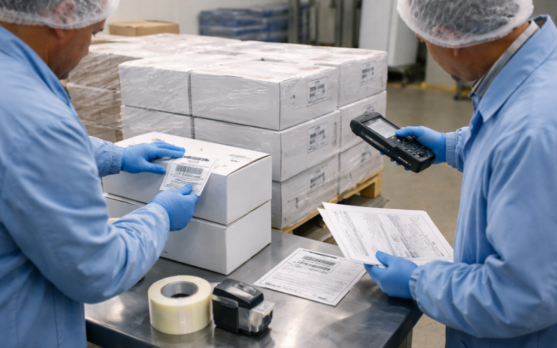
The key clauses are not glamorous: surcharge triggers, surcharge removal, cargo already in transit, route deviation, port substitution, storage, demurrage, detention, reefer plug fees, temperature monitoring, claims documentation, accepted fallback ports, force majeure wording and Incoterms that actually match the freight contract.
One weak point is the gap between the sales contract and the shipping contract. A seller may promise delivered frozen product under one commercial understanding, while the carrier contract allows rerouting, extra charges or schedule changes under another. That gap is where margin leaks.
Another weak point is recovery. If a reefer is discharged at an alternative port, who arranges onward movement? Who pays for temporary cold storage? Who monitors temperature? Who owns the customer conversation? Who decides whether cargo is still commercially acceptable? These are not questions to settle after the container has already been diverted.
The new skill is buying usable certainty
The next phase of reefer procurement will be less about chasing the lowest number and more about buying a service that can still be used when the lane misbehaves.
That does not mean shippers should accept every surcharge or overpay for vague resilience language. It means the tender has to ask better questions. What allocation is actually protected? Which ports are realistic fallback options? How fast does the carrier communicate route changes? How are reefers prioritised at transshipment? Are plugs available at the alternative hub? What is the escalation path if cargo misses the commercial window?
Short term, frozen trade will keep living with lane-by-lane volatility around Red Sea, Gulf, Suez and Cape routing. Medium term, a wider return through Suez could push some rates down and unsettle contracts written at higher-risk levels. Longer term, the more permanent change may be cultural. Freight will sit closer to sales, finance and customer service because it now changes the delivered economics of the product.
A cheap reefer contract is no longer cheap if it does not explain what happens when the route, the surcharge or the arrival date changes. Frozen trade has learned that lesson the expensive way.