Energy-Efficient Freezing
When Cold Becomes Flexible
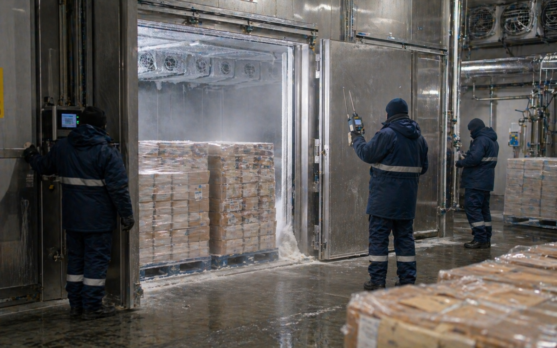
Freeze Point Suppression could reshape industrial refrigeration by turning cold into a flexible reserve for peak loads, moisture control and defrost reduction.
Refrigeration performance, control logic and load flexibility with direct cost implications.
Energy efficiency in freezing is now an operating and capital question, not just a technical one. This category looks at refrigeration systems, controls, insulation, peak-load management, thermal storage and efficiency upgrades that can reduce cost exposure while improving resilience, uptime and long-term asset value.
Energy-Efficient Freezing
Freeze Point Suppression could reshape industrial refrigeration by turning cold into a flexible reserve for peak loads, moisture control and defrost reduction.

Energy-Efficient Freezing
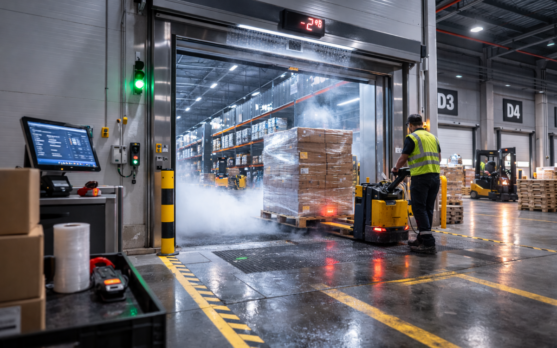
Frozen warehouses may become monetizable grid-flex assets as operators use thermal storage, pre-cooling, and demand response to turn refrigeration control into margin and...
Energy-Efficient Freezing
Reinforcement learning supervisory control is being positioned as the next step beyond PID for energy-efficient freezing, targeting lower kWh while maintaining temperature...

Energy-Efficient Freezing
Thermogalvanic cooling is promising for future low-power refrigeration, but frozen food needs caution on scale, stability and real use.

Energy-Efficient Freezing
Thermoelectric cooling has promise in frozen food, mainly for precision, portable, hybrid and point-of-use cold applications.

Energy-Efficient Freezing
Bio-based freezer insulation must prove R-value, moisture resistance, durability and life-cycle carbon before it can replace conventional panels.

Energy-Efficient Freezing
Commercial kitchen freezer efficiency depends on layout, door openings, maintenance, refrigerants and frozen product flow, not just cabinet size.

Energy-Efficient Freezing
Discover how isochoric freezing is revolutionizing food preservation by improving food quality, safety, and energy use, and understand its potential to become a mainstream method...
Energy-Efficient Freezing
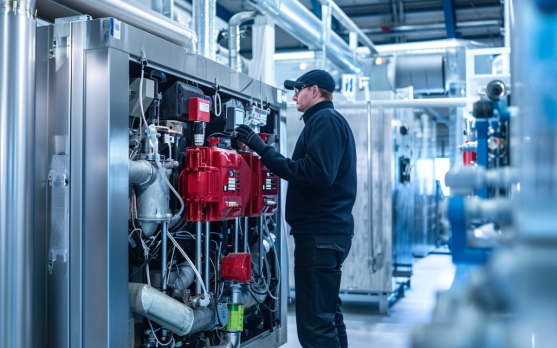
Lower-GWP refrigerants are reshaping frozen food refrigeration, but the real decision is safety, service, energy, compliance and asset life.
Energy-Efficient Freezing
Phase change materials can turn cold storage into thermal buffers, helping frozen warehouses cut peaks, stabilize temperatures and support the grid.

Energy-Efficient Freezing
Automated defrosting cuts refrigeration waste when frozen plants replace fixed schedules with sensor-led frost control and better timing.
Energy-Efficient Freezing
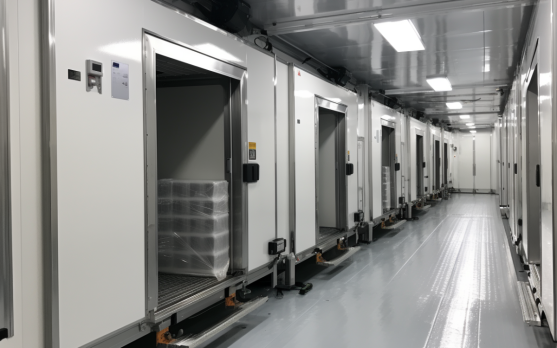
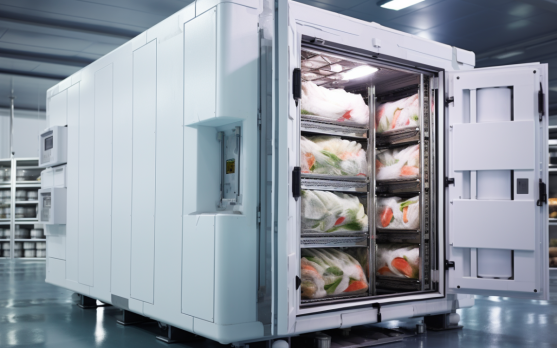
Modular freezing systems reduce cold-storage capacity risk when operators balance CAPEX, scalability, energy and installation speed.
Explore sustainability in frozen food through energy, waste, packaging, refrigerants and lower-impact operating strategies with real business relevance.