A frozen product can become famous before the first case reaches a retailer’s back room. A clip shows the crack of an air-fried snack, the stretch of melted cheese, a freezer-to-plate dinner that looks better than expected, and suddenly the buyer meeting changes. There is still no national listing, no proven repeat rate, no clean forecast. But there are comments asking where to buy it, creators repeating the format, search interest rising, and a brand team trying to work out whether online heat can survive the slow, cold, expensive path into the freezer aisle.
The first shelf test now happens before the store
Frozen food used to wait for the shelf to speak. A product earned its verdict through distribution, promotion, trial, repeat purchase and the cold patience of retail data. That order has not disappeared, but it has been disturbed. Short-video platforms have moved the first test of demand upstream, before planograms are reset and before a buyer has agreed to give freezer space to a new SKU.
That changes the mood around innovation. A frozen launch can now arrive in a meeting with evidence that did not exist a decade ago: creator clips, comments, saves, recipe recreations, search lift, waitlists, retail requests, even frustration from shoppers who cannot yet find the product. None of that is a sale. But it is not nothing either.
The sharper frozen food companies will treat those signals as early pressure tests, not applause. A clip that travels well can show whether the product is easy to understand, whether the eating moment is clear, whether the format looks convenient, whether the texture reads on screen, whether the price will be challenged, and whether consumers ask practical buying questions rather than simply reacting to novelty.
TikTok did not invent food discovery. It made some of it visible earlier. For frozen food, that matters because the freezer is one of the least casual parts of grocery retail. Space is tight. Doors are expensive. Poor sellers occupy cold real estate that another pizza, potato product, ready meal or private label line could use. A product that earns attention before launch has a better opening argument. It still has to survive the category.
Frozen innovation is learning to move in smaller bets
The sensible response to viral demand is not always a national rollout. In frozen, a smaller bet is often the smarter one.
Limited runs, retailer exclusives, regional tests, online-first sampling, club-store packs and short seasonal windows give brands a way to learn without loading the cold chain with too much optimism. The freezer aisle has seen enough products that were interesting in concept and slow in movement. Social demand can reduce some uncertainty, but it cannot remove the need for discipline.
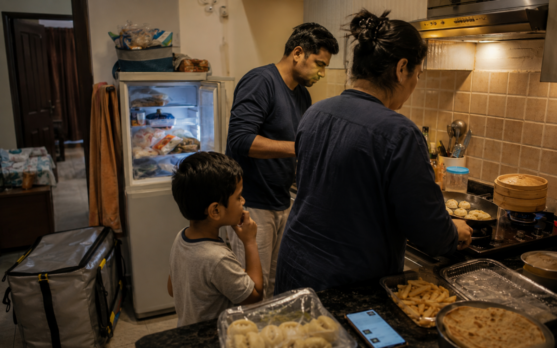
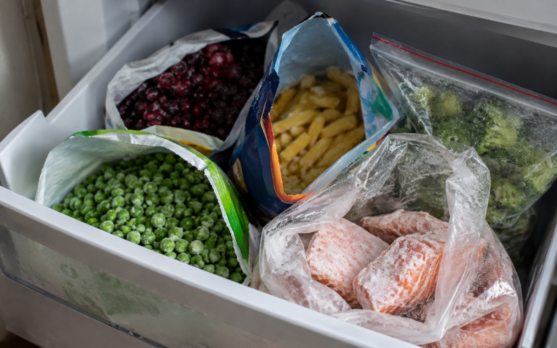
Frozen snacks, handhelds, bites, minis, global street-food formats, spicy products, indulgent desserts and air-fryer friendly items are naturally suited to short video. They show their value quickly. A shopper can see crunch, steam, stretch, sauce, portion size or the “fakeaway” promise in seconds. A complicated meal with a subtle nutrition claim may be commercially sound, but it has to work harder on video.
That does not mean frozen innovation should become entertainment-led. The products that last still need price logic, supply reliability, pack clarity, repeatable quality and a reason to return after the first curious purchase. A limited run is useful when it gives the company real evidence. It is expensive theatre when it only chases noise.
One of the practical questions now is how much flexibility a frozen manufacturer can build into its platform. A base product that can carry different sauces, toppings, spice levels, formats or sleeves is easier to test than a completely new process every time a social trend appears. The factory that can adapt without chaos will read the market faster.
Buyer confidence now includes social proof
A buyer does not hand over freezer space because a product has views. Grocery retail is more sober than that, especially in a category where resets are limited and poor availability can irritate shoppers fast. But social proof can change the tone of the conversation.
It gives the supplier a sharper story. Not “we believe this flavor is trending,” but “people are already asking where to buy it.” Not “this format is modern,” but “creators can show the occasion in one clip.” Not “younger consumers like discovery,” but “the comments are turning into store requests.”
That distinction matters. In a buyer meeting, weak social data sounds like decoration. Strong social data sounds like demand still waiting for a route to market.
The NFRA’s 2025 research is useful here because it shows both sides of the channel. Social media influences a meaningful share of frozen food purchases, especially among younger shoppers, yet in-store discounts remain a major trigger for trial. That is the commercial bridge many brands miss. The feed may create attention, but the freezer door still needs help closing the sale.
Retailers will also look for repeat potential. A spectacular first wave can be misleading if the product is too expensive, too niche, too hard to prepare or too dependent on a visual trick. A buyer wants to know what happens after the clip. Does the product fit a meal occasion? Does it improve a category segment? Can it be promoted? Can it be replenished cleanly? Is there a reason for the second purchase?
Virality can break the forecast
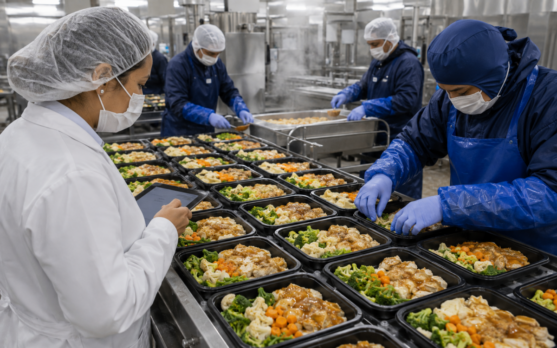
Frozen food has a different problem from ambient snacks. Demand can move quickly online, but production and cold-chain execution do not move at the speed of a feed.
A brand can underproduce and watch a real opportunity turn into consumer frustration. It can overproduce and end up with cold storage full of a product attached to last month’s trend. It can misread geography, sending stock broadly when the signal was strong only in a few cities or communities. It can mistake curiosity for repeat demand. It can scale an ingredient profile just as the price or availability of that ingredient becomes uncomfortable.
Forecasting from social signals is still forecasting. A view is not a unit. A like is not a basket. A share may mean intent, amusement, disbelief or nothing useful at all. The better data sits deeper: comments with buying language, saved videos, creator repeats, search lift, store locator traffic, email sign-ups, online sell-through, repeat content after purchase, and early retailer performance by region.
Frozen supply chains punish wishful thinking. Manufacturing minimums, packaging lead times, freezer capacity, transport slots, promotional calendars and retailer reset windows all slow the reaction. A product can become famous on Tuesday and still need months to reach national distribution. That gap is where commercial judgement matters.
Some companies will use virality as an excuse to rush. Better companies will use it to choose. Which SKU deserves the limited run? Which market should test it? Which retailer can activate it properly? Which factory has capacity? Which pack tells the story fastest? Which trend has enough depth to outlive the first wave?
The freezer aisle still has the final vote
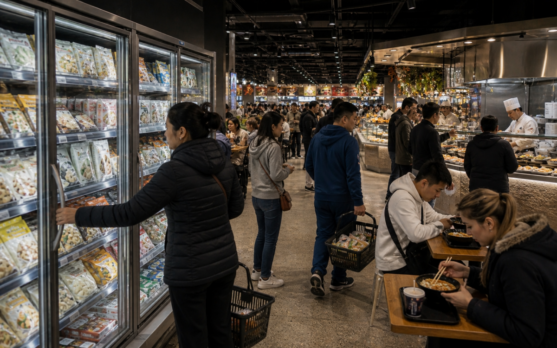
The freezer aisle is a poor place for vague excitement. Shoppers move quickly. Doors fog. Packs compete behind glass. Price tickets matter. Promotions matter. Availability matters even more. A product that looked irresistible in a close-up video can disappear into a weak shelf position if the retail execution is dull.
That is why the best viral frozen launches will be built as linked systems: creator content, product page, store locator, in-store promotion, pack design, retailer media, secondary placement where available, and enough inventory to avoid disappointment without betting the plant on one spike.
There is a cold physicality to frozen retail that social platforms cannot remove. The shopper still has to find the product, trust the pack, accept the price, get it home and prepare it successfully. If the product fails there, the algorithm cannot save it.
Private label will be watching closely. Retailers are already good at reading movement in their own data. Social demand adds another layer. If a branded frozen snack or meal format proves that a new occasion exists, a private label version can follow quickly, sometimes with better shelf access and sharper price architecture. Virality gives brands a window. It does not guarantee ownership.
Category testing will become more social, but not less commercial
Over the next few years, short-video signals will become a regular part of frozen innovation decks. They will sit beside shopper research, panel data, retailer scans, margin models and operational feasibility. The strongest teams will not ask whether a product is “viral.” They will ask what the signal is good for.
Some signals are useful for flavor direction. Others for pack communication. Others for portion size, preparation method, price sensitivity or retail geography. A comment thread may tell a brand that shoppers want an air-fryer instruction on pack. A creator repeat may show that the product needs a dipping sauce. A wave of store-search behavior may justify a regional listing before a national conversation.
Medium term, limited frozen drops will become more disciplined. Not novelty for novelty’s sake, but controlled category tests with tighter readouts: who bought, where, at what price, under what promotion, and whether the second purchase followed. Retailers will expect that discipline. They have limited cold space and little patience for launches that only perform on the phone.
Longer term, the advantage will belong to companies that can connect social listening with manufacturing flexibility and retail execution. The feed may reveal desire first. The factory and the freezer aisle decide whether that desire becomes a business.