Food safety trouble often leaves fingerprints before it becomes a failed result. A sanitation record that looks rushed. A freezer door alarm that keeps returning on the same shift. A swab point that never turns positive but keeps sitting close to the edge. A supplier file with one too many late certificates. A maintenance repair postponed near a wet zone. None of these details can condemn a product on its own. Together, they may tell a sharper story than the factory sees in time.

The warning often arrives before the lab result
Food safety has always depended on records. The difference now is that the records are starting to talk to each other.
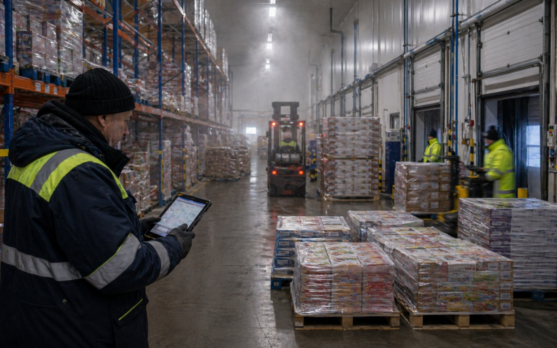
In many frozen food plants, the signs of risk are scattered across departments. QA has environmental swab results. Maintenance has repair logs. Production has downtime notes. Refrigeration has temperature and defrost data. Procurement has supplier history. The warehouse has hold-and-release records. Customer service has complaints that look too small to matter until someone places them beside the right lot, shift or line.
The old weakness was not always ignorance. It was separation.
A quality manager may know that a particular area is awkward to clean. A maintenance engineer may know that a conveyor guard has been removed more often than it should. A sanitation supervisor may know that one crew is constantly pressed for time before restart. Each person holds a piece of the picture. Predictive analytics becomes useful when it brings those pieces close enough to force a better question earlier.
That question is rarely dramatic. It may be: should this line be swabbed differently next week? Should this supplier be moved into a higher review band? Should QA hold release until a recurring deviation is closed properly? Should sanitation time be protected even if production is short?
In food safety, earlier questions are often worth more than louder alarms.
Frozen food gives risk a longer route
Frozen food carries a particular kind of confidence. The product looks controlled. The cold chain feels protective. The shelf life gives retailers and consumers a sense of stability. That confidence is valuable, but it can also make the sector slightly too comfortable.
Freezing can stop growth. It does not erase every hazard. Listeria remains the organism that keeps the frozen sector honest, especially around ready-to-eat or lightly cooked products, vegetables, dairy-based products, bakery items and foodservice packs intended for vulnerable consumers.
Recent recall history has made the point without subtlety. Frozen waffles and pancakes, frozen vegetables and frozen supplemental shakes have all appeared in public food safety alerts or outbreak investigations. The frozen shakes case was especially uncomfortable because the products were supplied into healthcare and long-term care settings, where the consumer risk is not theoretical. A frozen product can travel quietly into the most sensitive part of the food system.
That is the commercial tension. Frozen food moves far, stays long, sits in home freezers, institutional stores and retail cases, and may be consumed weeks or months after production. A weak signal missed in a factory can become a recall that feels much larger than the original mistake.
Predictive analytics cannot make frozen food safe by itself. It can help teams notice where the risk is beginning to collect.
Sanitation data is becoming more than proof of cleaning
The sanitation record used to serve one main purpose: show that cleaning happened. Time, chemicals, sign-off, maybe ATP, maybe a pre-op check, then the line returns to production.
That is no longer enough for high-risk areas.
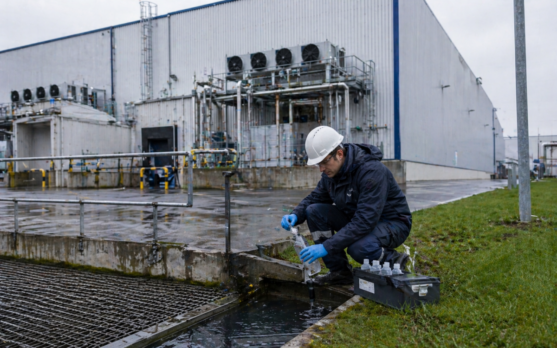
In a modern frozen plant, sanitation history should be read like operating data. Which room repeatedly runs short on cleaning time? Which swab sites need repeat attention after certain products? Which pieces of equipment generate re-cleans? Which shift records more exceptions? Which parts of the line require maintenance soon after sanitation? Which temporary fix keeps appearing in the same zone?
Individually, these items can look ordinary. In combination, they can point to a weak spot in hygienic control.
The best use of predictive analytics here is not to accuse people or replace the sanitation manager's judgement. It is to prevent the factory from normalizing risk because each deviation looks small. Food plants are good at surviving daily pressure. That strength can become dangerous when the same compromise is survived too many times.
A frozen vegetable line, a bakery freezer infeed, a sauce depositor, a spiral freezer belt, a high-care packing room, a post-lethality area, all of them have their own risk rhythm. A useful system learns that rhythm. Then it notices when the rhythm changes.
The supplier file is no longer paperwork
Supplier approval used to live too comfortably in folders. Certificates, audits, declarations, specifications, country of origin, test results. Necessary, but often treated as an administrative layer around the real work of manufacturing.
That view is becoming dated.
Ingredients now move through longer, more exposed chains. A frozen ready meal may carry vegetables from one region, proteins from another, sauces from another supplier, packaging from a converter, labels from a print run and logistics records from several cold-chain points. When something changes, the risk profile changes as well.
A late certificate may not be a food safety event. A supplier change may be harmless. A border hold may be paperwork. A change in ingredient origin may be routine. But when these signals sit beside complaint history, test results, temperature records and production scheduling, they may deserve more attention than a standard annual review.
Regulators have already moved in that direction. Risk-based screening is now part of how food authorities think about imported products. Traceability rules are also pushing companies to organize data more tightly, even where enforcement timelines have shifted. The message is plain enough: food businesses will need cleaner, faster and more connected records.
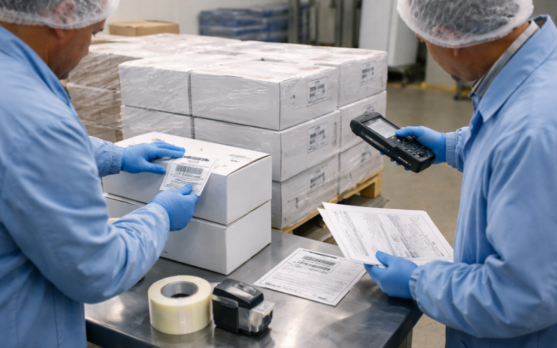
For frozen manufacturers, this is not only a compliance exercise. It is a buyer issue. Retailers and foodservice customers are less patient with vague explanations after a recall. They want to know which lots moved where, which suppliers were involved, how quickly the company knew, and whether the same risk can be prevented next time.
AI should escalate risk, not pretend to be QA
The weakest food safety technology pitch is the one that makes AI sound like a substitute for a quality team. It is not.
A model can rank risk. It can flag anomalies. It can connect records that humans would not compare quickly. It can suggest where swabbing may be strengthened, where a supplier may deserve review, or where a deviation is starting to repeat. It cannot smell a line after cleaning. It cannot feel whether a team is rushing. It cannot understand silence in a morning meeting unless someone records the issue properly.
Food safety still depends on people willing to stop the line, hold stock, ask awkward questions and protect standards when production is pushing hard. Predictive analytics is useful only if those people can trust the evidence and act on it.
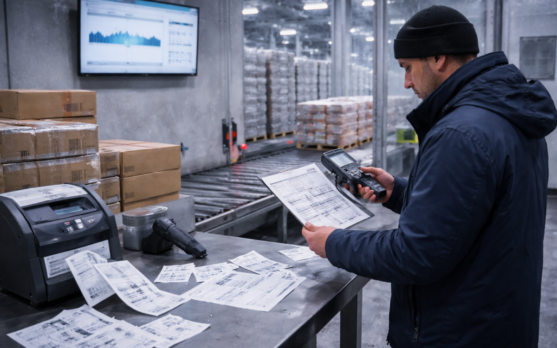
Black-box scoring is a bad fit for QA. A high-risk alert without explanation creates hesitation. A low-risk score without transparency creates false comfort. The best systems will need to show their reasoning in practical language: recurring positive-adjacent swab trend in Zone 2, repeated sanitation exception after product changeover, temperature deviation linked to dock congestion, supplier risk increase after documentation gaps.
The factory does not need a clever score. It needs a defensible escalation.
The next audit will ask better questions
Food safety audits have often rewarded preparation. Clean records, tidy folders, trained staff, corrective actions closed in the system. All of that still matters. The next layer will be harder to stage.
Retailers and foodservice customers will increasingly want evidence that a manufacturer understands risk as it develops, not only after it is tested. They may ask which areas are trending poorly, how environmental monitoring points are adjusted, how sanitation exceptions are escalated, how supplier risk is updated, and how maintenance issues near hygienic zones are handled.
That will change the buyer conversation.
A supplier that can show risk movement by line, room, ingredient and shift will sound different from one that can only show certificates. Not because the certificates are useless. They are still necessary. But certificates show the system exists. Predictive analytics can show whether the system is awake.
The pressure will be strongest in categories with long shelf life, wide distribution, vulnerable consumers or complicated ingredient chains. Frozen food sits in that zone more often than some companies like to admit.
There is also a cultural cost. A plant that connects more data will expose more uncomfortable truths. Some corrective actions were too shallow. Some sanitation windows were too short. Some recurring issues were hidden behind acceptable results. Some supplier reviews were administrative rather than risk-based. Predictive analytics will not make those truths easier. It will make them harder to ignore.
That may be its real value.