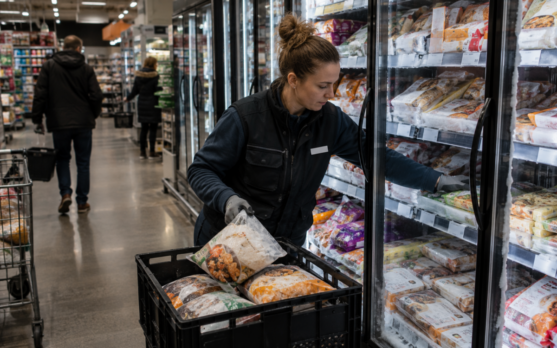
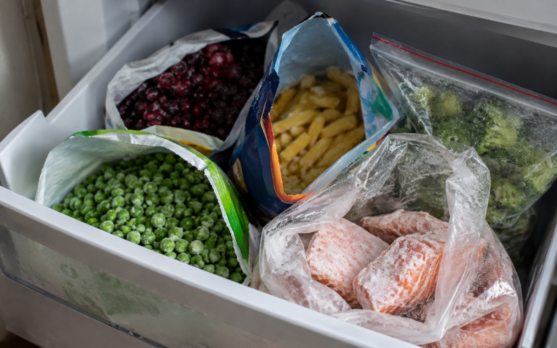
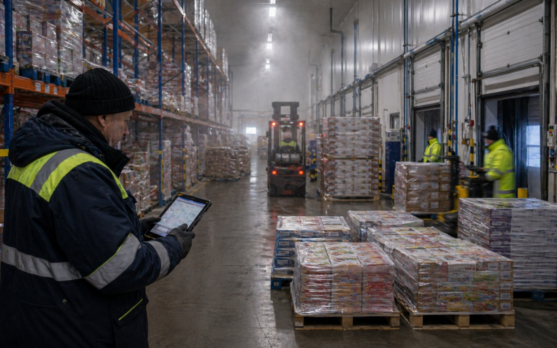
In a frozen aisle, the code on the pack still looks harmless. A small square beside the cooking instructions. Something the shopper may ignore, the store scanner may read, and the brand team may once have treated as a neat way to add a recipe page. That view is already too small. For frozen food, the code is becoming part of the operating system: product identity, batch, expiry, recall, recycling, retailer data, consumer information and, eventually, the cold-chain record that explains what happened before the pack ever reached the glass door.

The pack is starting to carry more than the brand
The old barcode did its job with admirable bluntness. It told the checkout what the product was. A frozen pizza, a box of vegetables, a pouch of potato wedges, a tray of ready meals. Scan, price, move on.
The new code has a heavier job. Not because shoppers suddenly want to scan everything. Most do not. Not because packaging needs another digital trick. It already has enough claims fighting for space. The change matters because a frozen food pack is being pulled into several systems at once: retail checkout, traceability, recalls, recycling rules, private label governance, e-commerce picking and customer service.
GS1 Digital Link and the move toward 2D codes are changing the role of the printed identifier. The same visible square can take a shopper to product information, give a retailer richer item data, and connect internal systems to batch or expiry details if the company has done the work behind it. That last part is the hard part.
Printing a QR code is easy. Keeping the truth behind it clean is not.
Frozen has a long memory
Fresh categories move fast. Frozen products can stay in the system for months. They sit in factory stores, third-party cold stores, retailer depots, back-of-store freezers and home freezers long after the production day has passed. That long life is a strength. It also makes bad data harder to forgive.
A recall in frozen food is rarely neat. Older stock may still be in circulation. Private label batches may have moved through several retail banners. Export packs may carry different labelling rules. A ready meal recipe may have changed while older packaging is still in use. A frozen vegetable mix can shift origin or supplier season by season. Seafood, meat alternatives, potato products and desserts all bring their own documentation trail.
In that world, the pack needs to connect to more than a marketing page. It needs to match the lot. It needs to match the recipe version. It needs to match the artwork that was actually printed, not the artwork someone thought was current. It needs to match the item file the retailer is using. If those records disagree, the code does not create transparency. It creates a public crack in the system.
This is where many companies will feel the pain first. Not in the scanner. In the product data meeting.
The useful code is boringly precise
There is a temptation to dress digital packaging as an experience. Scan for a video. Scan for a chef tip. Scan for a sustainability story. Some of that can be useful, especially for cooking guidance, allergens, sourcing and recycling instructions. But the frozen sector should be careful not to mistake decoration for infrastructure.
The better code is often boring. It knows the GTIN. It can carry or connect to batch and date information. It leads to current allergen data. It supports recall checks. It helps the retailer manage expiry, markdown or blocking where the systems allow it. It gives the consumer instructions that still match the product inside the pack.
SmartLabel already shows how digital product information can be standardised at scale across large numbers of grocery products. Woolworths Australia has shown how 2D barcodes can support waste reduction and store productivity when they are tied to operational use, not just a shopper campaign. Those examples matter because they bring the discussion down from novelty to discipline.
Frozen food needs that discipline. A pack of frozen fries with updated air-fryer guidance is useful. A pack that can also be identified correctly in a recall, linked to the right batch and handled properly at retail is more useful.
Cold-chain proof will not sit on every pack
The industry should be honest here. Most frozen packs will not carry their own temperature sensor. The cost, waste and complexity do not make sense for mainstream products. A family bag of vegetables or a box of fish fingers is not about to become a miniature data logger.
The more realistic model is layered. The consumer pack carries the product identity. The case or pallet carries logistics identifiers. Temperature data sits at trailer, pallet, shipment, cold-room or route level. If something goes wrong, the pack becomes the doorway into the investigation, not the instrument that measured everything itself.
That distinction matters. A customer complaint about ice crystals, softened dessert, damaged coating or poor cook performance is often difficult to trace. The product may have been safe and still mishandled. A weak freezer cabinet, a slow unload, a door left open, a route delay, a poor back-of-store routine. Better links between pack, batch, shipment and temperature events can narrow the argument.
It will not make every claim simple. It may make fewer of them blind.
Compliance is pushing packaging into IT
Regulation is making the printed pack feel smaller. In the US, FSMA traceability pressure is forcing many food businesses to clean up records around key events and data elements, even with enforcement timing moving toward 2028. In Europe, packaging rules are pushing harder on recyclability, reuse, recycled content, sorting information and data carriers. The food sector should not copy the language of digital product passports from batteries or textiles without caution, but the direction is visible enough: product data has to become more structured, more accessible and easier to audit.
That changes who owns packaging. It is no longer only a design file, a printer proof and a regulatory sign-off. It touches ERP, PIM, MES, WMS, artwork management, supplier portals, retailer item files and customer service. A QR code on a frozen pack may look like a packaging decision. In practice, it can expose how well the company manages data across the business.
There is a useful tension here. Compliance information should not be buried inside brand storytelling. Recycling instructions, recall information, allergen changes and product identity need clean routes. Marketing can still use the scan, but it should not own the only door.
Private label will make this harder
Private label frozen is one of the places where the code will become complicated quickly. The brand on the front may belong to the retailer. The product may come from a co-manufacturer. The packaging data may sit in one system, the recipe in another, the artwork in a third, and the batch record at the factory.
When everything is stable, that can work. When a supplier changes, a claim is updated, a recipe is adjusted or a recall hits, weak data ownership becomes visible. Who updates the digital page? Who verifies that the printed pack and online record match? Who controls market-specific recycling guidance? Who handles consumer questions when the pack points to information that is technically correct but commercially awkward?
Retailers will not want a patchwork of brand-managed pages that behave differently for every supplier. Manufacturers will not want to rebuild data feeds manually for every customer. The pressure will move toward standardisation because the alternative is administrative drag hidden inside every product launch.
Frozen private label has enough complexity already. The code should reduce it, not add another layer of confusion.
The scan is only as good as the system behind it
Between 2026 and 2027, a lot of work will look dull from the outside. Scanner tests. Code placement. Print quality. POS readiness. Data ownership. Batch capture. Item file clean-up. Packaging-line capability. Version control. None of it photographs well. All of it matters.
By 2028 to 2030, the companies that did the dull work should have more room to use the code properly. Better recall precision. Cleaner consumer information. More accurate e-commerce picking. Smarter expiry management where it fits. Localised recycling guidance. Stronger handling of private label and export packs. In some cases, better links to cold-chain exceptions and claims handling.
After that, the difference will not be between packs with a QR code and packs without one. The difference will be between companies with a reliable product-data backbone and companies using a printed square to cover a messy back office.
The pack is becoming the visible edge of the data system. That is a bigger change than it looks.