Sustainable Packaging
When Less Packaging Wastes More Food
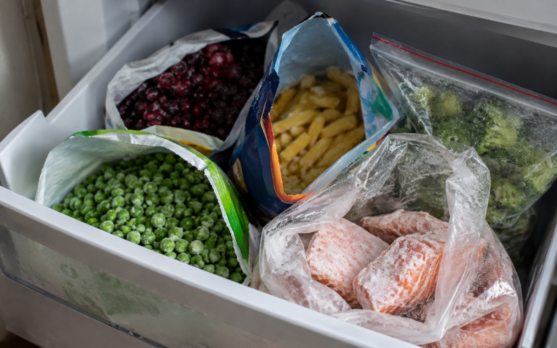
Less frozen food packaging can backfire if it increases freezer burn, damage or household waste. The smarter target is protected food value.
Materials, barriers, recyclability and packaging decisions under rising technical and regulatory pressure.
Packaging in frozen food now sits at the intersection of compliance, performance, cost and brand credibility. This category tracks the material choices, barrier technologies, redesign trade-offs and policy shifts shaping packaging strategy, helping readers understand where packaging risk is building and where real innovation is becoming usable.
Sustainable Packaging
Less frozen food packaging can backfire if it increases freezer burn, damage or household waste. The smarter target is protected food value.

Sustainable Packaging
From 12 August 2026, PPWR exposes frozen food packaging to PFAS, recyclability and documentation risk. Which formats need urgent review?

Sustainable Packaging
Tetra Pak is scaling a paper-based barrier to replace aluminum foil in aseptic cartons, aiming to cut carbon footprint while maintaining shelf-stable performance, high-speed...
Sustainable Packaging
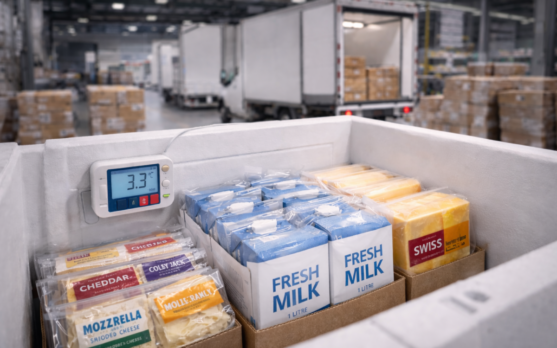
Recycle-ready cheese flow-wrap is emerging as the toughest test for sustainable flexible packaging, proving whether recyclable films can deliver strong seals, odor control, and...

Sustainable Packaging
Seaweed-coated burger boxes and mycelium packaging can work in foodservice and frozen supply chains, but only in the right roles.

Sustainable Packaging
Japanese seawater-degradable plastic could help marine-risk frozen food packaging, but it is a safeguard, not a miracle replacement.

Sustainable Packaging
Food-waste biopolymers can reshape packaging only if they prove consistency, food-contact safety, freezer durability and scalable performance.

Sustainable Packaging
Mycelium packaging has a frozen food role in foam replacement, sample logistics and protective cold-chain packaging, not primary food contact.

Sustainable Packaging
Agricultural-waste packaging can serve frozen food only when feedstock, barriers, food-contact proof and end-of-life claims work together.

Sustainable Packaging
Biodegradable foam can replace EPS in frozen logistics only when thermal performance, cushioning, cost and disposal routes are proven.

Sustainable Packaging
Seaweed packaging has promise for frozen food, but only as tested coatings, films and hybrid materials that survive cold, water and scale.

Sustainable Packaging
AI can help frozen food packaging teams reduce material without increasing seal failure, pack damage, food waste or recycling risk.
Explore sustainability in frozen food through energy, waste, packaging, refrigerants and lower-impact operating strategies with real business relevance.