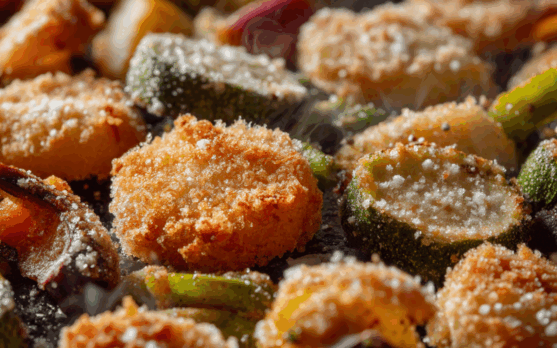
Tuesday, 6:40 a.m. A dock door hangs open a little too long. Nobody yells, the pallet wrap doesn’t wave a white flag, and production moves on. The product notices, though. A few short warm spells now become softer coatings later and a trickle of prep complaints next week. The fix isn’t a lecture or a novel’s worth of data. The fix is simple, repeatable changes tied to what each batch actually lived through: a touch more glaze here, a small nudge in batter solids there, a tougher outer bag on that one route. Give batches a way to “see” thermal shocks, teach the plant a short rule card, and quality stops wobbling.

Thermal shock, plain English
A shock is any fast swing that drags product out of its comfortable band and slams it back again. Think -20 C storage, +5 C at the dock for 35 minutes, then back to -18 C. That ride grows larger ice crystals, squeezes out water, dulls color in veg, and knocks crunch out of coatings. It is not a villain you defeat once. It is a background hum you design around.
How a batch gets eyes
You do not need a moonshot. Slip a small Bluetooth or NFC logger into one case per pallet position. Let door readers or handhelds collect on pass-through; tie each read to lot code. Add a simple time–temperature indicator on master cases for quick shelf checks. What you want from the data is boring and useful: the max temperature hit, minutes above threshold, how many excursions, and how quickly the batch cooled back to set point. That four-line profile is enough to drive action.
From signal to tweak: the short rule card
Data without a dial to turn is just gossip. Here are dials most plants can move without upsetting the label, the line, or the cost model.
- Glaze for IQF pieces: if a lane sees repeated short warms, lift total glaze by about 1 to 2 points. Thin ice armor reduces dehydration and sticking after micro-thaws.
- Batter solids and viscosity: bumps of 0.5 to 1 point tighten the film on battered items that sagged during warm time. The goal is set, not sludge.
- Brine strength and dwell: a modest brine tweak improves water holding in poultry or plant-protein pieces so texture survives mild crystal growth. Keep dwell tight to avoid salt burn.
- Par-fry or par-bake time: add seconds, not minutes, just enough to lock the outside so it doesn’t collapse after shock.
- Packaging barrier and wrap: on hot routes, step up to a lower water-vapor transmission film or add a snug secondary overwrap. Less moisture loss, fewer frost blooms, steadier bite.
Define the shocks before they define you
Write the categories once and post them at batching, batter make-up, and packing. If a rule needs a calculator, it is too complicated.
- Minor: up to +2 C above set point for 20–30 minutes.
- Moderate: +3 to +5 C for 30–60 minutes or more than two short excursions.
- Major: above +5 C or longer than 60 minutes in the warm band.
Auto-tune recipes by class
- Minor: glaze +1%, batter solids +0.5, no packaging change.
- Moderate: glaze +2%, solids +1, tougher outer bag on that route.
- Major: hold lot for sensory, then apply full set on next run: glaze up, solids up, brine tweak, and upgraded film.
Process beats ingredients, every time
The fastest way to keep texture is to freeze faster. Smaller crystals, fewer complaints. If batch histories show slow pull-downs, look for chokepoints: overloaded spiral belts, staging near warm doors, or pallets sitting on the wrong side of a curtain. Fixes are basic and powerful: reduce belt loading during peaks, stage pallets in a colder vestibule, close doors on timers, and carve a clean path so product stops loitering in the temperate zone.
Packaging that earns its seat on the line
A pouch is not marketing; it is equipment. Tight seals keep out sublimation. Smooth inner films stop abrasion during warm-cold cycles. Headspace matters: too much air invites oxidation and freezer burn; too little risks seal contamination. If a route is a chronic warm patch, pair a slightly thicker outer bag with the smoother inner web and retest machinability before rollout.
KPIs that tie the truck to the bite
Measure what the batch felt and what the eater felt. Keep the list short so people actually use it.
- Temperature KPIs: excursions per batch, minutes above threshold, max spike, and time to recover.
- Texture KPIs: shear or firmness post-cook, crunch retention at 10 minutes, drip loss after thaw.
- Aroma/color KPIs: a simple volatile check on standard prep and a quick color target against the golden sample.
- Field KPIs: prep complaints per 10,000 units, returns tied to lot, and shelf checks for frost or clumping.
A week on the floor, no drama
Route A shows three Moderates last week. Monday’s batches get the Moderate recipe: glaze up two points, solids plus one, tougher outer bag. Midweek, the same route logs a single Minor. Texture scores climb, cook time stays stable, and support tickets fall. Nothing flashy. Just product that behaves itself.
Common faceplants to avoid
- Turning one hot reading into policy: use two loggers per pallet position before you call the class. One sensor by a door is not the core temperature.
- Over-glazing your claims away: if glaze goes up, audit weights weekly or you will drift off spec.
- Swapping films without a shelf test: barrier means nothing if seals fail at speed. Run machinability and a short shelf trial first.
- Letting recipes carry broken logistics forever: if a lane is always Moderate, fix the lane. The rule card is a bridge, not a permanent crutch.