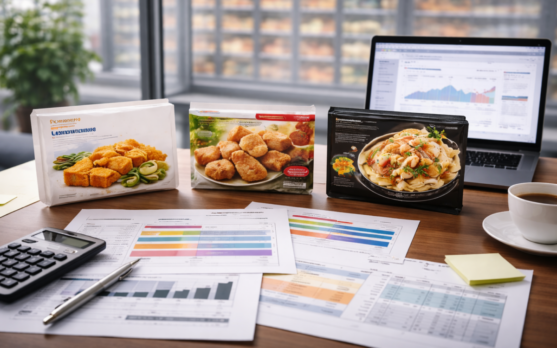
Frozen Futures - What Comes Next
We’ve covered machines that see, build, freeze, store, and predict. Now, let’s step into the horizon—where autonomous fleets, AI-enabled product creation, and networked plants redefine frozen food before it even gets packed.

You can almost feel it now-the frozen food world quietly stepping into something different. Not louder, not flashier. Just...smarter. Deeper. Quieter.
We’re past the phase of machines simply replacing hands. Now, the system thinks ahead. It senses patterns. It whispers, “Don’t do that-this works better.”
And suddenly, the frozen food industry starts to behave like a living organism.
Let’s start with trucks. Not the noisy kind, the other ones.
You won't hear them coming. Self-driving, temperature-controlled, running all night without a break. These autonomous cold-chain vehicles are already in testing, and not just in sci-fi labs. Their temperature control? Precise to the decimal. No distractions. No fatigue. No risk of human error during peak delivery hours.
One pilot program in Scandinavia showed a 12% drop in energy costs-just by avoiding hard braking and idle times. But beyond numbers, the real shift is emotional: consistency becomes a promise, not a possibility.
And then there's the food itself.
Frozen meals used to be designed by R&D teams, guided by focus groups, gut instinct, and a fair bit of nostalgia. Today? AI can study what we’re eating, what we wish we were eating, and what our bodies say we should eat-and then suggest entirely new meals no one’s thought of before.
One startup fed its algorithm millions of recipes, TikTok trends, and global health data. It created a frozen breakfast bowl with kale, yuzu, black rice, and fermented chickpeas. Sounds odd. It sold out in three weeks.
We’re entering an era where product creation isn’t just fast-it’s adaptive.
The factories? They’re getting smaller.
Not in output, in scale. Miniaturized. Modular. Built closer to where people live.
Imagine a frozen food plant the size of a shipping container, automated, and parked behind a supermarket. It produces 100 SKUs, locally sourced, with zero inventory waste.
No trucks, no middle step, no lag.
The idea used to sound ridiculous. Now, grocery chains are investing in “micro-factories” that adjust production based on foot traffic and real-time shelf data.
The freezer aisle might soon reflect not global trends-but neighborhood tastes.
Taste itself is becoming quantifiable.
A machine can now analyze texture, mouthfeel, and even aromatic consistency.
You’d think it’s unnecessary. Until you realize it flags meals that were frozen slightly off-curve-before they ever reach shelves.
That bite you take next month? It’ll feel fresher not because of luck, but because a sensor said: “This batch wasn’t quite right.”
And the loop is closing.
What you throw away, how you store it, what you scan with your phone-it all feeds back into the system. Packaging with thermal memory. QR codes that log your usage. Data that informs not just marketing, but manufacturing.
Some companies are already testing freezer doors that learn your buying habits, suggesting restocks before you notice you're low. Others track how long a product stays in your home before consumption-helping them refine shelf life dynamically.
This isn't automation anymore.
It's cold-chain intuition.
And while it feels like tech, it behaves like care.
Less waste. Better quality. Tighter loops. Less noise.
What’s next? You won’t notice it. That’s the point.
Part of the series: COLD LOGIC Series Overview
Explore the full editorial series.
- 01. Eyes on Ice - AI-powered vision is cleaning up the coldest lines in food
- 02. Robot Arms & Frozen Meals - From dumplings to dinner bowls-robots now build your food
- 03. Rewriting the Freeze - Faster. Smarter. Colder. Inside the new freezing race
- 04. Warehouses Without Humans - In cold storage, robots run the show-quietly and efficiently
- 05. The Code in Your Packaging - How data, tags, and smart sensors reinvent traceability
- 06. Digital Twins & Maintenance Minds - When simulations fix problems before they happen
- Bonus episode: Frozen Futures - What Comes Next
Conclusion
Frozen food isn’t just getting faster or smarter—it's becoming autonomous. The future points to supply chains that plan, produce, and deliver with minimal oversight. What was once imagination is becoming startup pilots and boardroom investments.
Essential Insights
The next horizon in frozen food is full-scale autonomy—from self-driving delivery to AI-designed meals and mini-automation hubs. It’s not science fiction—it's tomorrow’s infrastructure.